Ondernemer maakt circulaire dakbedekking van oud plastic en heeft vier tips voor start-ups
Toen Roeland van Delden eindelijk zijn nieuwe product, een duurzame vervanger van lood, op een bouwbeurs presenteerde, kon hij rekenen op juichende reacties. Iedereen was enthousiast. Verwachtingsvol opende hij de volgende dag zijn mailbox, in de hoop op een berg nieuwe orders.
For English version, click here or scroll further down

Tekst: Matthijs Timmers. Beeld: Leadax (courtesy)
Maar helaas. Niets. Helemaal niets. Alleen een goed product is kennelijk niet genoeg. Er is meer nodig. De ondernemer uit het Gelderse Wapenveld heeft vier belangrijke lessen voor alle duurzame start-ups.
Eerst over dat goede product. Van Delden bestiert al jaren een succesvol bedrijf in bitumen: Bitufa. Dit bedrijf maakt waterkerende materialen op basis van bitumen, dat lijkt op teer maar dan gemaakt van aardolie. In asfalt, dakbedekking en geluidsisolatie wordt vaak bitumen gebruikt, omdat het elastisch en waterafstotend is.
Bitufa gebruikt het voornamelijk om kelders van gebouwen waterdicht te maken. Het bedrijf is als een Zwitsers uurwerk, zo voorspelbaar is de business. Maar hij weet ook: het is een lineair product – het materiaal is niet duurzaam. “Daarom zijn we (Roeland en de slimme koppen in zijn organisatie, red.) op zoek gegaan naar een circulair product.”
Gezocht en gevonden
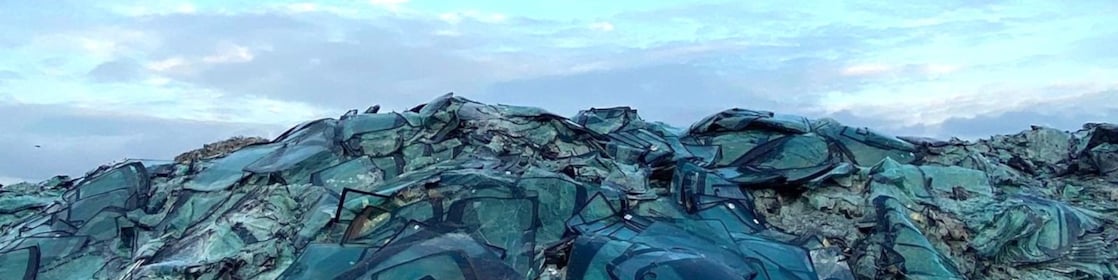
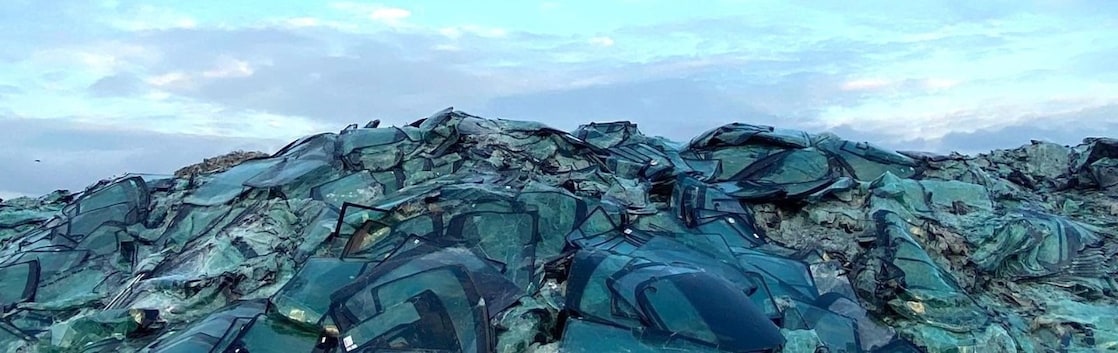
Van Delden spitte door de plastic afvalberg en stuitte op polyvinylbutyral (PVB). Dat wordt gebruikt als veiligheidsfolie in onder meer autoruiten. Jaarlijks wordt 500.000 ton PVB weggegooid, en verbrand. Maar hij zag wel heil in het spul. Het is rekbaar, gemakkelijk te schonen, werkt brandvertragend én is waterdicht.
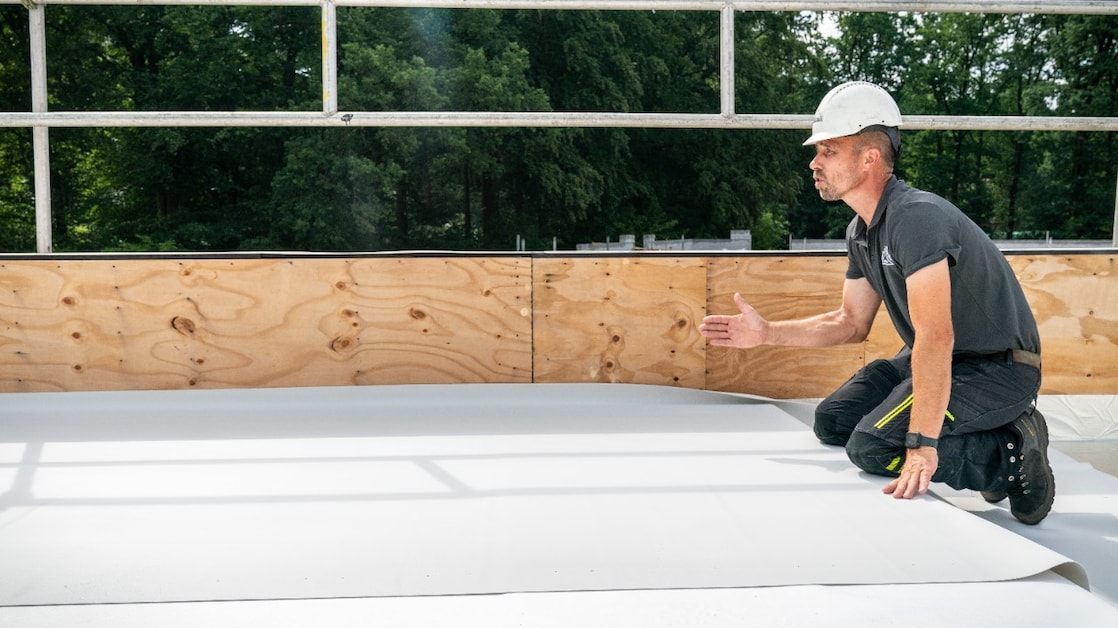
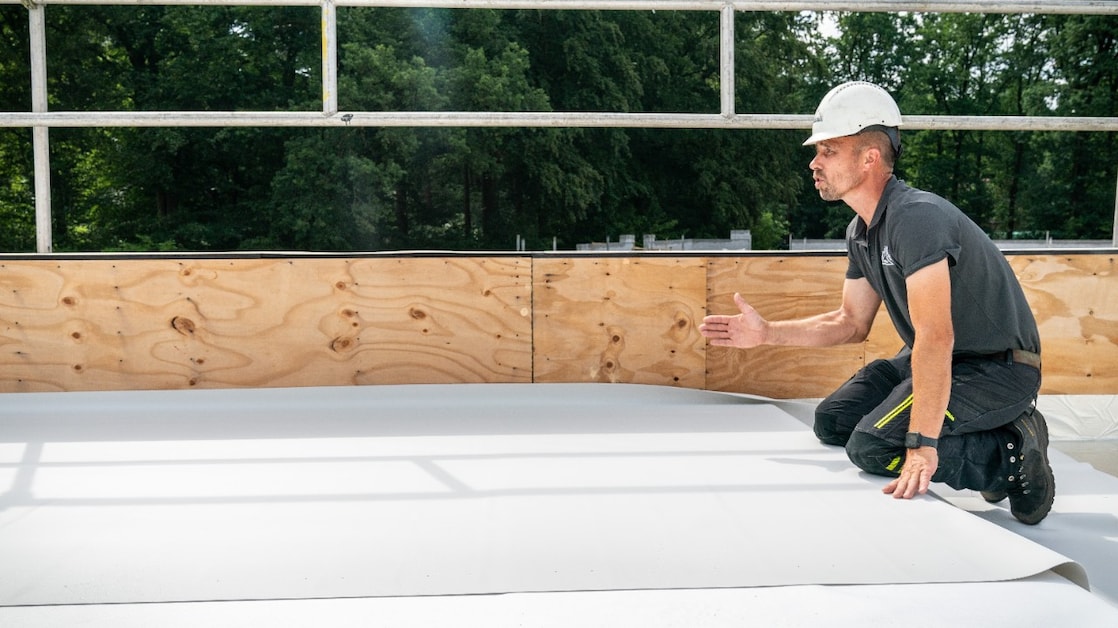
“Dus ik zeg tegen de verbrandingsoven: doe mij dat afval.” Zijn team ontwikkelde een nieuw product uit dit restmateriaal; een vervanger van lood op basis van plastic restafval. Het eerste project was de eigen schoorsteen van het woonhuis van Van Delden, in 2014. Tot nog toe geen lekkages. Omdat de berg van polyvinylbutyral zo groot is, introduceerde de ondernemer later ook nog dakbedekking.
Businessmodel delen door twee
Van Delden had dus een werkend product, duurzaam, want niet op basis van bitumen, maar op basis van een afvalproduct, dat weer opnieuw te gebruiken is. Er was een fabriek met een nieuwe naam: Leadax. Hij had zijn onderneming gepresenteerd op een bouwbeurs. Maar dat alles is geen garantie voor een goedlopend bedrijf. “Je kunt als start-up het meest sombere businessmodel schetsen, maar dan moet je ‘m vaak nog delen door twee!”
Over Leadax
Leadax is een bedrijf dat duurzame dakmaterialen produceert uit polyvinylbutyral, een plastic dat wordt gebruikt als veiligheidsfolie in onder meer autoruiten. Aan het einde van de levensduur zijn de producten van Leadax te recyclen. Het bedrijf is opgericht, omdat eigenaar Roeland van Delden vindt dat er stappen moeten worden gezet richting een circulaire economie. Leadax is gevestigd in Wapenveld, Gelderland.
Les 1: Financiën op orde
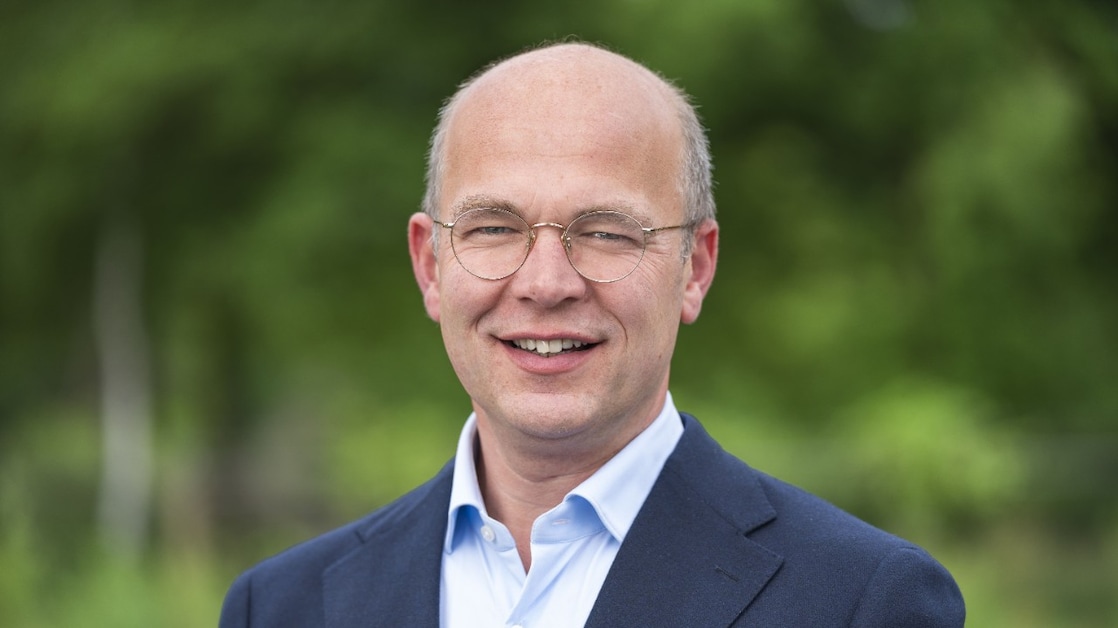
Roeland van Delden geeft een verklaring. Klanten – in dit geval de toch al conservatieve bouwsector – moeten wennen aan een nieuw product. “‘Als jouw duurzame loodvervanger over twee jaar nog steeds bestaat, wil ik het misschien wel afnemen', zeiden veel potentiële klanten tegen me.”
Ook de strijd met niet-duurzame concurrenten kost tijd, merkte hij. Die willen hun marktaandeel beschermen en zitten niet te wachten op een duurzame producent die een stukje uit hun markt hapt. De tip van Van Delden: “Je moet die eerste periode door. En daarvoor moet je je financiën goed op orde hebben. Met alleen subsidies red je het niet. Zorg dus voor een parallelle geldstroom.” In het geval van Van Delden was er natuurlijk nog zijn bitumenfabriek. Het geld dat hij daarmee verdient, gaat naar Leadax.
Les 2: Lobby
Naast de barrière van afwachtende klanten en beschermende concurrenten speelt ook regelgeving een belangrijke factor in het slagen van een duurzame onderneming. Er bestaat nog weinig regelgeving voor circulair productgebruik in de bouwsector. Daarom, en dat is de tweede tip van Roeland van Delden: ga lobbyen. Bij overheden, bij brancheorganisaties en andere partijen in de keten. Dat kost tijd, het is veel werk, maar het is wel nodig.
“Veel initiatieven zijn gestrand in het zicht van de haven, omdat de regels nog niet klaar waren voor het nieuwe product.” Niet voor niets droeg Roeland de dagelijkse leiding van zijn Leadax onlangs over aan een nieuwe CEO. Hij blijft wel eigenaar. “Heb ik wat meer de handen vrij om het verhaal te vertellen”, verklaart hij. En te pleiten voor méér circulariteit in de bouwsector.
Les 3: Win prijzen
Een derde les volgens Van Delden: doe mee met duurzaamheidsprijzen. Leadax won er veel in de afgelopen jaren. Een prijs op Duurzame Dinsdag, duurzaamheidprijzen bij banken, in 2023 sleepte zijn bedrijf zelfs de Nationale Ondernemersprijs in de wacht. “Doordat je die prijzen wint, houd je er met z’n allen de moed in. Het zorgt niet direct voor beleg op de boterham, maar het geeft wel het vertrouwen dat je aan iets goeds werkt.”
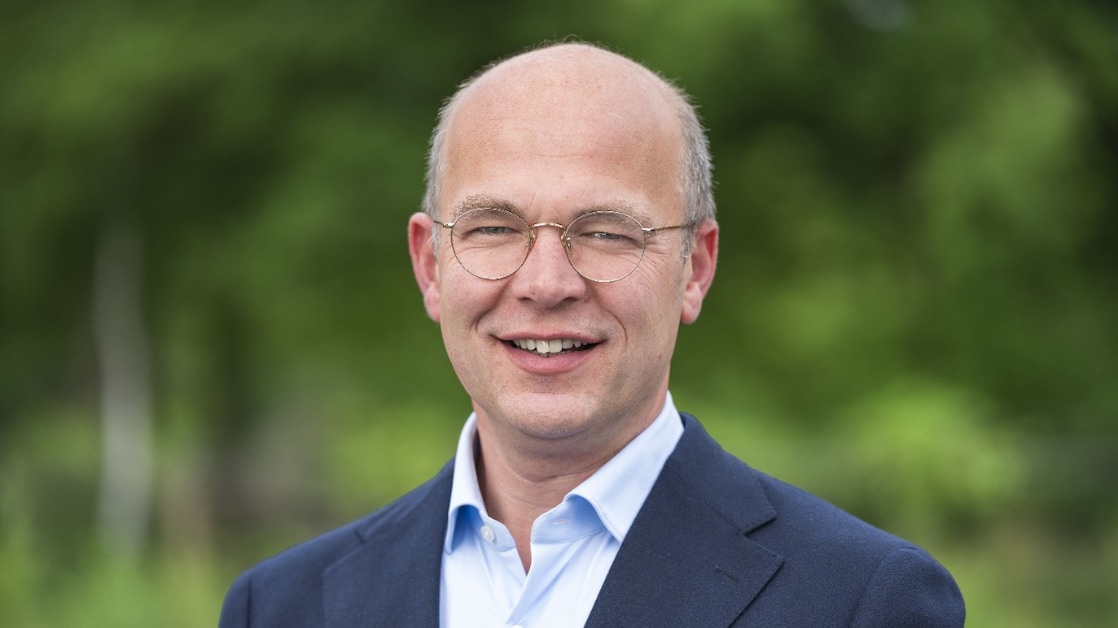
Roeland van Delden, eigenaar Leadax“Veel initiatieven zijn gestrand in het zicht van de haven, omdat de regels nog niet klaar waren voor het nieuwe product.”
Samenwerking wordt anders
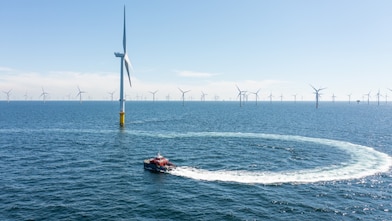
Voor de afname van bitumen werkt Bitufa al jaren samen met Shell. “Uiteindelijk is PVB ook een product op basis van aardolie. Zodra het gebruik van fossiele polyvinylbutyral stopt, ligt er volledig recyclebare dakbedekking op onze daken. Deze zijn opnieuw in te zetten als grondstof, fossiel is dan niet meer nodig”, aldus Van Delden.
Hij verwacht dat de samenwerking met Shell zal blijven, maar anders zal worden. Nieuwgeproduceerd bitumen zal immers minder belangrijk worden. Zeker nu het nieuwe Leadax groter wordt en wat marktaandeel betreft de oorspronkelijke fabriek gaat overschaduwen.
Les 4: Wees kritisch op je grondstoffen
Daarin schuilt de laatste tip van de eigenaar van Leadax. “Wees steeds kritischer op hoe je je grondstoffen inzet. En doe dat vooral samen. Het gebruik van fossiele grondstoffen in een niet te hergebruiken toepassing gaat stoppen, daar ben ik van overtuigd. Grondstoffen gebruiken voor een circulaire toepassing is veel verstandiger. Daarbij moeten we blijven nadenken over mogelijkheden voor hergebruik. Dat is een gezamenlijke uitdaging.”
Over Shell Bitumen
Shell Bitumen is de grootste leverancier van bitumen in de wereld, met voldoende van dit elastische en waterafstotende materiaal om elke dag 500 kilometer wegdek te asfalteren. Bitumen van Shell wordt ook gebruikt voor de verharding van het wegdek op vliegvelden, voor gekleurd asfalt om de verkeersveiligheid te vergroten, voor afdichtmiddelen en dakafdekking. Shell Bitumen is actief in 52 landen, waaronder Nederland.
Meer nieuws uit Shell Venster


A Shell Magazine Venster Online original story, 10 April 2024Dutch businessman makes circular roofing from old plastic, and has four important lessons for all sustainable start-ups
When Roeland van Delden finally presented his new product, a sustainable replacement for lead, at a construction fair, he received jubilant reactions. Everyone was enthusiastic. Expectantly, he opened his mailbox the next day, hoping for a mountain of new orders. But there were none. Apparently, a good product by itself is not enough. More is needed. The entrepreneur from Wapenveld, in the East of the Netherlands, has four important lessons for all sustainable start-ups.

Text: Matthijs Timmers. Imagery: Leadax (courtesy)
First, about the great product. Van Delden has been running a successful bitumen company for years: Bitufa. This company makes water-repellent materials. Bitumen, which resembles tar but is made from oil, not coal or wood. Bitumen is often used in asphalt, roofing, and sound-proof insulation because it is elastic and water-repellent.
Bitufa mainly uses bitumen for waterproof basements of buildings. The company works like Swiss clockwork, as the business is highly predictable and plannable. But as Van Delden knows: as a material bitumen is not sustainable – it is a fossil-based product. "That's why we (Roeland and the smart minds in his organization, ed.) started looking for a circular product."
Search and find
Van Delden took a figural deep dive in the mountain of plastic waste and stumbled upon polyvinyl butyral. PVB is used as a safety film in car windows, among other things. Every year, 500,000 tonnes of PVB are thrown away and incinerated. But Van Delden saw the material had potential. It is stretchy, easy to clean, fire-retardant and waterproof.
"So, I said to the incinerator: give me that waste." His team developed a new product from this residual material; a replacement for lead-based products using plastic waste. The first project was the chimney of Van Delden's house, in 2014. So far, no leaks. Because the amount of polyvinyl butyral in plastic waste is large, the entrepreneur later introduced roofing.
About Leadax
Leadax is a company that produces sustainable roofing materials from polyvinyl butyral, a plastic that is used as a safety film in car windows, among other things. Leadax products can be recycled, at the end of their lifespan. The company was founded because owner Roeland van Delden believes that steps should be taken towards a circular economy. Leadax is located in Wapenveld, in the province of Gelderland, the Netherlands.
Cut your business model in half
Now Van Delden had a working product, and sustainable. It was not based on bitumen, but on a waste product, which could be reused. A new factory was born: Leadax, which he presented at a construction fair. But all good intentions aside, it was not a guarantee for a thriving business. "As a start-up, one can sketch the gloomiest business model, and cut your best projections of that model in half!"
Lesson 1: Finances in order
Roeland van Delden explains. Customers – in this case the “conservative” construction industry – must get used to a new product. "'If your sustainable lead substitute still exists in two years' time, I might want to buy it, many potential customers told me.”
The battle with unsustainable competitors also takes time, he noted. They want to protect their market share and are not waiting for a sustainable producer to take a piece of the market. Van Delden's tip: "One has to get through that first period. So, have your finances in order, because subsidies won’t cut it. Make sure there is a parallel flow of money." In Van Delden's case it was his factory with the bitumen-based product. The money he earns from Bitufa goes to Leadax.
Lesson 2: Lobby
In addition to having wait-and-see potential customers and protective competitors, regulations also play an important factor in the success of a sustainable business. There are still only a few directives for the use of circular products in the construction sector. That is where Van Delden’s second lesson comes in: start lobbying. With governments, with trade associations and other parties in the chain. It takes time, it's a lot of work, but it's necessary, he says.
"Many initiatives have run aground within sight of the port, because the rules were not in place yet to make a new product a success." It is no coincidence that Roeland recently handed over the day-to-day management of his Leadax to a new CEO. He remains the owner. "This decision gives me the freedom to tell our story," he explains. “And to advocate for more circularity in the construction sector.”
Lesson 3: Win prizes
A third lesson, according to Van Delden: participate in sustainability awards contests. Leadax won a lot of them in recent years. An award on Sustainable Tuesday, sustainability awards at banks, in 2023 his company even won the National Entrepreneur Award. "Because when one wins those prizes, it keeps the spirits up. It doesn't immediately lead to toppings on the cake, but it does give you the confidence that you're working on something good."
Roeland van Delden, entrepreneur and owner Leadax"Many initiatives have run aground within sight of the port, because the rules were not in place yet to make a new product a success."
Collaboration will be different
For the purchase of bitumen, Bitufa has been working with Shell for years. "At the end of the day, PVB is also a petroleum-based product. As soon as the use of fossil polyvinyl butyral stops, there will be fully recyclable roofing on our roofs. These can be reused as raw materials, so fossil fuels are no longer necessary," says Van Delden.
He expects that the collaboration with Shell will continue, but that it will be different. After all, newly produced bitumen will become less important. Especially now that the Van Delden’s new company Leadax is growing and will overshadow the original factory in terms of market share.
Lesson 4: Be increasingly critical of your raw materials
Therein lies the last learning from the owner of Leadax. "Be increasingly critical of how you use your raw materials. And above all, do it together. I am convinced that the use of fossil raw materials in a non-reusable application will stop. Using raw materials for a circular application is much wiser. In doing so, we must continue to think about possibilities for reuse. That's a common challenge."
About Shell Bitumen
Shell Bitumen is the world's largest supplier of bitumen, with enough of this elastic and water-repellent material to pave 500 kilometres (310 miles) of road every day. Shell’s bitumen is also used for the paving of tarmac at airports, for coloured asphalt to increase road safety, for sealants and roof covering. Shell Bitumen is active in 52 countries, including the Netherlands.