Grootste benzinehaven zoekt groene oplossingen
Laatste update: 1 augustus 2025, 07:25 | De Amsterdamse haven zit in een spagaat. De stip op de horizon is duidelijk: in 2050 moet de grootste benzinehaven ter wereld klimaatneutraal zijn. Tegelijkertijd is in de haven de fysieke ruimte schaars, de stikstofruimte nog kariger en het stroomnet overbelast. “De verduurzaming van de haven vereist een lange adem. Innovatie speelt daarbij een cruciale rol,” zegt commercieel manager Anna-Marise Rocha van Port of Amsterdam.

Tekst: Kirsten Gesink. Beeld: Port of Amsterdam/Jesse Kraal en Ruben de Vries/Beeldkrullend
For English, click here or scroll down
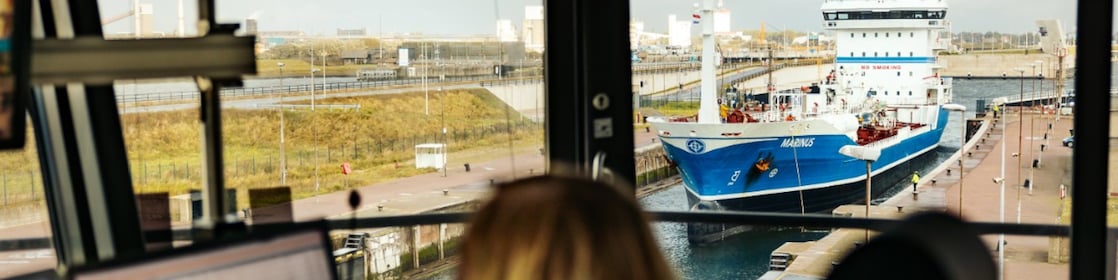
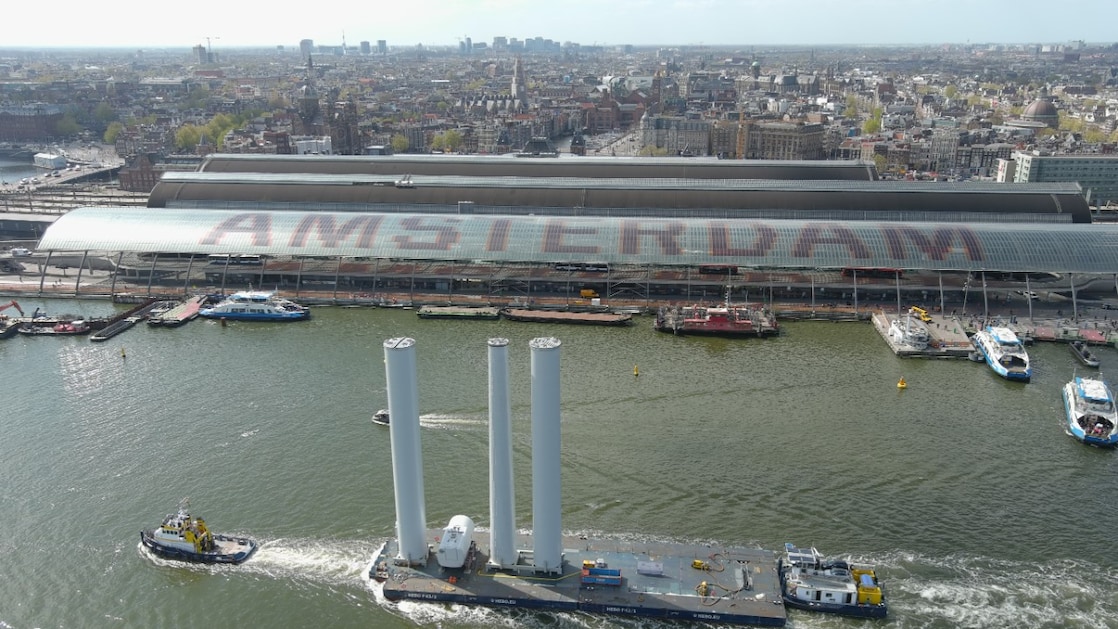
Waar Rotterdam bekend staat als havenstad, is Amsterdam een stad met een haven. Met jaarlijks ruim 60 miljoen ton overslag en bijna 7.500 scheepsbewegingen heeft Amsterdam na Antwerpen en Hamburg de vierde zeehaven in de Europese Unie. Ze speelt een Europese sleutelrol in de aanvoer van energie en grondstoffen. Bijvoorbeeld van kerosine naar Schiphol. Het havenbedrijf van Amsterdam zet in op duurzamere scheepvaart, circulaire industrie en hernieuwbare energie. Dat blijkt uit de recent gepubliceerde visie Green Port Amsterdam 2040.
Geen nieuwe ruimte aan fossiele overslag
De koers richting verduurzaming is al jaren geleden ingezet. Sinds 2008 wijst de haven geen nieuwe ruimte meer toe aan fossiele overslag: het overladen van “traditionele” brandstoffen voor verder transport of verwerking. Vanaf 2030 is ook steenkool niet langer welkom. Volgens commercieel manager Anna-Marise Rocha van Port of Amsterdam staan duurzamere alternatieven echter niet zomaar klaar en veel factoren die de marktvraag bepalen, liggen buiten de directe invloed van de haven.
Rocha is aanspreekpunt voor bedrijven die zich in de haven willen vestigen – met name in de sector hernieuwbare energie en circulaire economie. Die laatste varieert van logistiek tot bouw, en van afvalverwerking tot biobrandstoffen. Daarnaast houdt ze zich bezig met uitbreidingsvragen en contractvernieuwingen van bestaande klanten, varierend van kleine ondernemers tot grote spelers.
Rocha ziet volop kansen voor slimme innovaties, nieuwe verdienmodellen en meer samenwerking. Aan haar de schone taak om duurzamere en circulaire industrie toch te laten landen in Amsterdam.
Focus op circulair
Steeds meer opslagtanks worden geschikt gemaakt voor hernieuwbare brandstoffen, biogas en waterstof. De focus van Rocha ligt daarbij op circulaire producten. “De komende jaren gaan we alternatieve brandstoffen steeds verder ontwikkelen in de haven. We werken bijvoorbeeld aan een biopark: twintig hectare aan grond voor bedrijven die biobrandstoffen zoals methanol produceren.”
De haven verwerkt ook afvalstromen zoals plastic, biomassa en bouwmateriaal. “Van aannemers wordt steeds meer verwacht dat ze circulair slopen. Afvalverwerker Renewi heeft nu een grote terminal om bouwafval een tweede leven te geven.” Daarnaast gebeurt veel op het gebied van waterstof. “We hebben niet genoeg groene stroom hier in de Amsterdamse haven te produceren, dus we zetten vooral in op import. We zijn bezig om de infrastructuur te bouwen, zodat waterstof hier binnen kan komen en vervolgens via pijpleidingen naar andere delen van Nederland en Europa kan. Een paar maanden terug vond de eerste waterstofbunkering al plaats, waarbij we een 118 meter lang superjacht hebben voorzien van vloeibare waterstof.”
Havenbedrijf en LeapSprong
Als onderdeel van haar strategie zoekt Port of Amsterdam steeds vaker de samenwerking op. Een voorbeeld daarvan is deelname aan het innovatieprogramma LeapSprong Amsterdam, gericht om regionale uitdagingen in de energietransitie aan te pakken.
De tweede editie van LeapSprong Amsterdam is in juni gelanceerd en focust op flexibele oplossingen voor een duurzamere industrie. Aanmelden kan tot 8 augustus.
Van tonnages naar toegevoegde waarde
Doordat de focus van fossiele overslag steeds meer verschuift naar overslag van duurzamere producten, verschuift de blik van de haven steeds meer van tonnages naar toegevoegde waarde.
“In 2024 kwam 69% van de omzet uit niet-fossiele activiteiten – een stijging van 34% ten opzichte van 2020. Ondanks de lagere tonnages blijft de omzet groeien, omdat de toegevoegde waarde van hernieuwbare producten vaak hoger ligt”, legt Rocha uit. “We stimuleren klanten om fossiel af te bouwen en proberen daarbij ook ondersteuning te bieden. We doen onderzoek en dragen actief alternatieve producten aan. Daarnaast gelden er wettelijke verplichtingen voor de terminals om hun uitstoot te verminderen.”
Zon, wind en slim
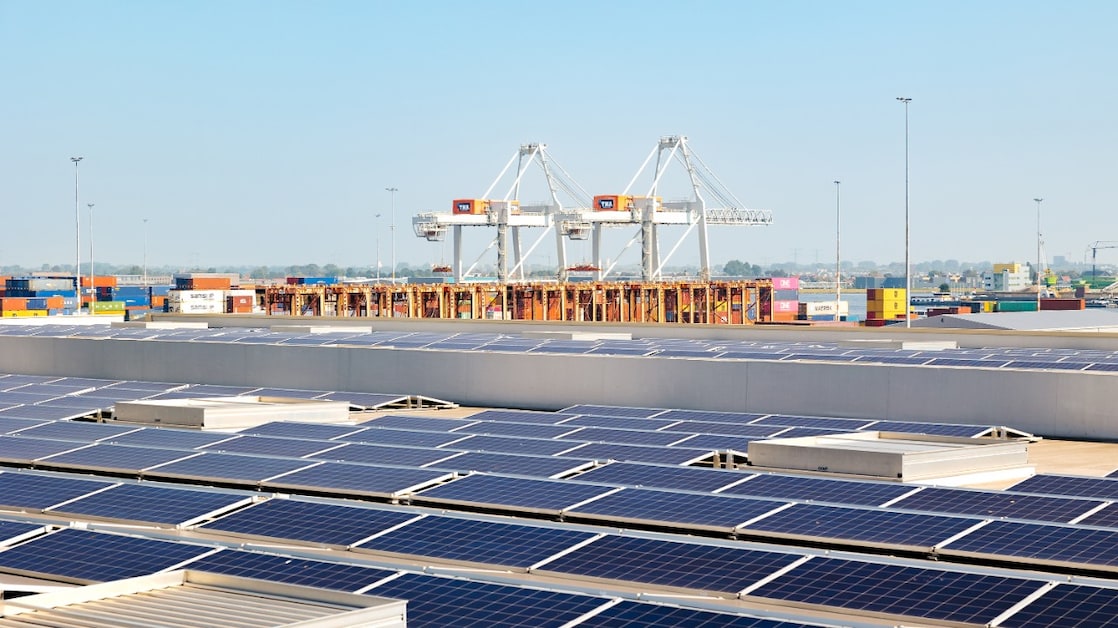
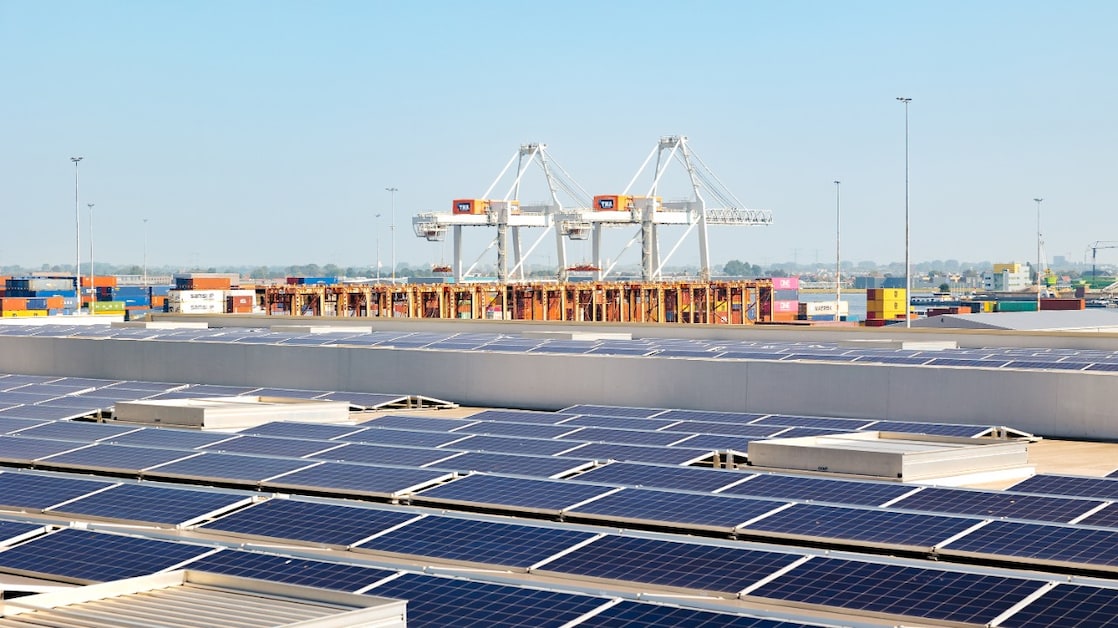
De haven zet vol in op hernieuwbare energie om uitstoot van broeikasgassen te verminderen. Inmiddels ligt er bijna 500.000 vierkante meter aan zonnepanelen op daken in het havengebied. “Ons doel is om 20% van de regionale elektriciteitsvraag op te wekken met zonne-energie.”
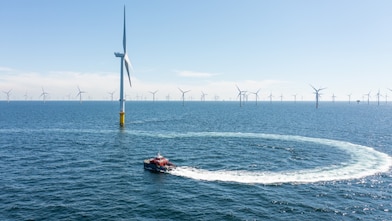
Windenergie komt daar nog bovenop, met 27 windturbines in bedrijf en plannen voor uitbreiding. In IJmuiden verrijst de Energiehaven, speciaal ingericht voor de bouw en het onderhoud van windparken op zee. “Niet elke kade is geschikt voor op- en overslag voor windparken en de aanleg van kabels voor de groene stroom.” De groeiende vraag naar stroom brengt ook uitdagingen met zich mee. “Het elektriciteitsnet zit vol. Daarom hebben we de Energie Coöperatie Amsterdamse Haven opgericht. Die helpt bedrijven om piekbelasting te verminderen, energie te delen of gezamenlijk in te kopen. Zo benutten we het net slimmer – en dat is hard nodig.”
Grenzen aan de ruimte
Netcongestie is één van de uitdagingen, maar zeker niet de enige waar Rocha zich mee bezighoudt. “We lopen tegen grenzen aan: van het stroomnet en de stikstofruimte tot de fysieke grens van het havengebied zelf. Die beperkte stikstofruimte betekent dat bedrijven zowel tijdens de bouw als de dagelijkse werkzaamheden bijna geen stikstof mogen uitstoten. Tegelijkertijd kun je ook niet alles elektrificeren. Dat wringt.”
Naast de druk op het stroomnet en de stikstofruimte, rukt ook de stad op. “Alles binnen de ring moet woningbouw worden. Wij hebben ook nog een stuk havengebied binnen de ring, die bedrijven moeten daar weg. Om de beschikbare ruimte optimaal te benutten, stimuleren we gezamenlijke vestiging van bedrijven die elkaar kunnen versterken, bijvoorbeeld door reststromen of energie te delen.”
Daarnaast vormt regelgeving een drempel, ook voor innovatieve partijen. “Voor nieuwe innovaties is vaak onvoldoende kennis in huis om dat goed te kunnen beoordelen. Dan duurt een vergunningsaanvraag soms wel drie jaar – dat is voor een startend bedrijf bijna niet te overbruggen.”
Anna-Marise Rocha, commercieel manager Port of Amsterdam"We hebben onze eigen energiecorporatie opgericht. Die helpt om piekbelasting te verminderen"
Afvangmechanisme
“Juist omdat we tegen grenzen aanlopen, is innovatie cruciaal”, vervolgt Rocha haar verhaal. “Een start-up heeft bijvoorbeeld een afvangmechanisme ontwikkelt die stikstofuitstoot in productieprocessen verlaagt. Wij proberen zulke innovaties actief te koppelen aan onze klanten.”
Ook op grotere schaal wordt geïnvesteerd in slimme oplossingen. Zoals walstroominstallaties, waardoor grote zeecruisers kunnen inpluggen en hun dieselgeneratoren niet hoeven te gebruiken. Daardoor hebben ze minder uitstoot.
“Tegelijkertijd is dat een nieuw verdienmodel voor ons, want wij verkopen de stroom aan die schepen. Ook werd vorig jaar een laadplein geopend op een plek waar nog geen plannen lagen, maar wél een netaansluiting beschikbaar was. Nu kunnen meerdere partijen daar hun elektrische heftrucks opladen en benutten we de infrastructuur optimaal.”
Toch is innovatie alleen niet genoeg voor de energietransitie van Port of Amsterdam. “Investeerders twijfelen. Nederlands en Europees beleid moet zorgen voor een eerlijke concurrentiepositie. Nu lopen teveel bedrijven vast op regelgeving die achterloopt op de praktijk. Neem gerecycled plastic: zolang het geen einde-afvalstatus krijgt, mag het niet in verpakkingen worden gebruikt. Dat remt de markt.”
LeapSprong
Als onderdeel van haar strategie zoekt het havenbedrijf steeds vaker de samenwerking op. Een voorbeeld daarvan is deelname aan het innovatieprogramma LeapSprong Amsterdam, gericht om regionale uitdagingen in de energietransitie aan te pakken.
“Zo’n samenwerking is een mooie manier om in contact te komen met nieuwe ideeën en start-ups. We zien dan wat er nog meer kan en er ontstaat een ecosysteem dat de bestaande industrie kan verrijken.”
De samenwerking biedt bovendien een waardevolle sparringspartner. “Als we met start-ups praten, is het fijn als er al een expert naar gekeken heeft. Dan krijgen we beter zicht op eventuele risico’s en de kans van slagen.”
Boven Zwitserland of Scandinavië
Een concreet voorbeeld is CarbonOrO, dat sinds de vorige editie van LeapSprong met multinational Cargill samenwerkt aan een nieuwe waardeketen om CO2 af te vangen en op te slaan in duurzame bouwmaterialen. “Dat een van de grootste uitstoters serieus in gesprek gaat met een start-up, zegt veel. En dat de andere ketenpartner nu voor Amsterdam kiest - boven alternatieven in Zwitserland of Scandinavië, zegt ook veel. Er staat nog geen schop in de grond, maar het is wel heel tof dat er nu hard aan een oplossing wordt gewerkt.”
Top 10 havens van Europa
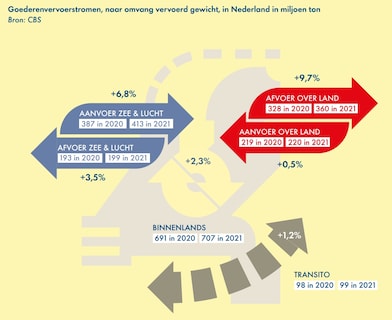
Shell Venster schrijft regelmatig over de transport- en logistieke sector van Nederland. Ook publiceerden we vorig jaar een compleet overzicht van de sector, inclusief de 10 grootste zeehavens van de Europese Unie. Benieuwd hoe Amsterdam zich verhoudt tot de rest?
Port of Amsterdam seeks renewable solutions
31 July 2025 (last updated 1 August 2025)
The Port of Amsterdam finds itself in a difficult position. The long-term goal is clear: by 2050, the largest petrol harbour of the Netherlands must be climate neutral. At the same time, physical space in the port is limited, nitrogen emission limits are even tougher to handle, and the power grid has insufficient capacity. “Making the port more sustainable requires perseverance. Innovation plays a crucial role,” says Anna-Marise Rocha, Commercial Manager at Port of Amsterdam.

Text: Kirsten Gesink. Photography: Port of Amsterdam/Jesse Kraal en Ruben de Vries/Beeldkrullend.
While Rotterdam is known as a port city, Amsterdam is a city with a port. With over 60 million tons of cargo transshipment annually and nearly 7,500 ship movements, Amsterdam ranks as the fourth-largest seaport in the European Union, after Antwerp in Belgium and Hamburg in Germany. The Amsterdam harbour plays a key European role in the supply of energy and raw materials, such as kerosene for Amsterdam-Schiphol International – the world’s 4th busiest airport. The Port of Amsterdam is focusing on more sustainable shipping, circular industry, and renewable energy, as outlined in the recently published “Green Port Amsterdam 2040” vision.
No new space for fossil transshipment
The shift toward sustainability began years ago. Since 2008, the port has no longer allocated new space for fossil fuel transshipment — the transfer of “traditional” fuels for further transport or processing. From 2030, coal will no longer be welcome. However, Rocha notes that sustainable alternatives are not readily available, and many factors influencing market demand lie outside the port’s direct control.
As Commercial Manager, Rocha is the point of contact for companies looking to establish themselves in the Amsterdam harbour — especially in the renewable energy and circular economy sectors. This spans everything from logistics and construction to waste processing and biofuels. She also handles expansion requests and contract renewals for existing clients, from small businesses to major players.
Rocha sees plenty of opportunities for smart innovations, new business models, and increased collaboration. Her challenge is to successfully anchor sustainable and circular industries in Amsterdam.
Port of Amsterdam and LeapSprong
As part of its strategy, the Port of Amsterdam is increasingly seeking collaboration. One example is its participation in the innovation program LeapSprong Amsterdam, aimed at addressing regional challenges in the energy transition.
The second edition of LeapSprong Amsterdam was launched in June and focuses on flexible solutions for a more sustainable industry. Registration is open until 8 August.
Focus on circular solutions
Storage tanks are increasingly being adapted for renewable fuels, biogas, and hydrogen. Rocha’s focus is on circular products. “In the coming years, we’ll continue developing alternative fuels in the port. For example, we’re working on a biopark — twenty hectares of land for companies producing biofuels like methanol.”
The port also processes waste streams such as plastics, biomass, and construction materials. “Contractors are increasingly expected to demolish buildings in a circular way. Waste processor Renewi has a large terminal to give construction waste a second life.”
Hydrogen is another major area of development. “We don’t have enough renewable electricity to produce hydrogen in the Amsterdam harbour, so we’re focusing on imports. We’re building the infrastructure to accept hydrogen shipments and distribute them via pipelines to other parts of the Netherlands and Europe. A few months ago, we had our first hydrogen bunkering, supplying a 118-meter superyacht with liquid hydrogen.”
From tonnage to added value
As the focus shifts from fossil fuel transshipment to more sustainable products, the port’s perspective is also shifting — from tonnage to added value.
“In 2024, 69% of the Amsterdam harbour’s revenue came from non-fossil activities — a 34% increase compared to 2020. Despite lower tonnages, earnings continues to grow because the added value of renewable products is often higher,” explains Rocha. “We encourage customers to phase out fossil fuels and try to support them in doing so. We conduct research and actively suggest alternative products. Additionally, terminals are legally required to reduce their emissions.”
Sun, wind, and smart solutions
The port is fully committed to renewable energy to reduce greenhouse gas emissions. Nearly 500,000 square metres (5,381,955 square feet) of solar panels have already been installed on rooftops in the harbour area. “Our goal is to generate 20% of the regional electricity demand with solar power.”
Wind power is in place as well, with 27 operational wind turbines and plans for more. In the nearby town of IJmuiden, the entry/exit point for seafaring ships that call port in Amsterdam, the Energy Port is being developed. This harbour infrastructure is specifically designed for the construction and maintenance of offshore wind farms.
“Not every quay is suitable for loading and unloading wind farm components or cables laying services to facilitate the transport of renewable power.” The growing demand for electricity also brings challenges. “The (nationally managed; edit.) power grid has reached the limits of its capacity. That’s why we established the Energy Cooperative Amsterdam Port, which helps companies reduce peak loads, share energy, or make joint purchases. This allows us to use the grid more efficiently — and that’s urgently needed.”
Anna-Marise Rocha, Commercial Manager Port of Amsterdam"We've established our own energy cooperative. It helps to reduce peak load"
Limits to space
Grid congestion is one of the challenges Rocha deals with, but it’s far from the only one. “We’re reaching our boundaries: from the power grid and nitrogen emission ceilings to the physical confinements of the harbour area itself. Due to the nitrogen emission rules companies can hardly any nitrogen during construction or daily operations. At the same time, there is no grid space to electrify everything. We are between a rock and a hard place.”
In addition to the power and nitrogen challenges, the city of Amsterdam is expanding. “Everything within the ring road is slated for housing development. We still have part of the harbour facilities win that area, where companies will have to leave. To make optimal use of the available space, we encourage co-location of companies that can complement each other’s activities. For example, by sharing waste flows or sharing energy sources.”
Regulations are a barrier, even for innovative companies. “There’s often not enough in-house expertise to properly assess new innovations. As a result, a permit application can take up to three years—which is nearly impossible for a start-up to endure.”
CO2 capture mechanism
“Because we’re reaching the limits, innovation is crucial,” Rocha continues. And there is some good news. “One of the start-ups in the Amsterdam harbour has developed a capture mechanism that reduces nitrogen emissions in production processes. We actively try to connect such innovations to our clients.”
Meanwhile, smart solutions do receive larger-scale investments. For instance, onshore power installations allow large sea cruisers to plug in and turn off their diesel generators, resulting in lower emissions.
“At the same time, this creates a new revenue model for us, since we sell the electricity to those ships. Last year, a “charging plaza” was opened at a location where a grid connection was available, but no infrastructure plans existed, yet. It is now being used by multiple parties to charge their electric forklifts, making optimal use of the facility.”
Still, innovation alone isn’t enough for the energy transition at Port of Amsterdam. “Investors are hesitant. Dutch and European policies must ensure fair competition. Right now, too many businesses are dealing with outdated regulations. Take the rules for recycled plastic: if the government doesn’t give it an end-of-waste status, it can’t be used in packaging. It puts a brake on market development.”
LeapSprong
As part of its strategy, the port authority is increasingly seeking collaboration. One example is its participation in the innovation program LeapSprong Amsterdam, aimed at tackling regional challenges in the energy transition.
“Such collaboration is a great way to connect with new ideas and start-ups. It shows us what else is possible and helps create an ecosystem that can enrich the existing industry.”
The collaboration also provides a valuable sparring partner. “When we talk to start-ups, it’s helpful if an expert has already made a scan of the business. That gives us better insight into potential risks and chances of success.”
Above Switzerland or Scandinavia
An example of a successful start-up is CarbonOrO. Since the 2024 edition of LeapSprong, it has been working with multinational Cargill on a new value chain to capture CO₂ and store it in sustainable construction materials. “The fact that one of the biggest emitters is seriously engaging with a start-up says a lot. And the fact that the other value chain partner now chooses Amsterdam — over alternatives in Switzerland or Scandinavia — speaks volumes. No shovel is in the ground yet, but it’s exciting that real progress is being made to find a solution.”