Stand van de industrie: wordt Nederland afhankelijk van het buitenland?
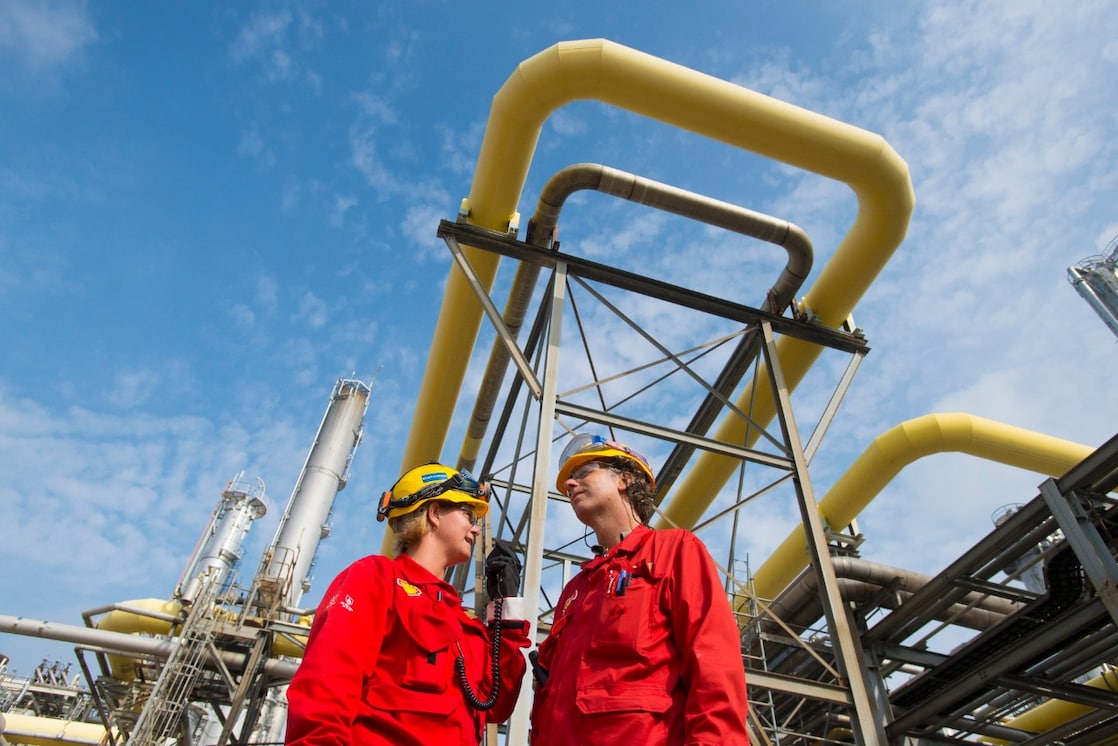
In maart werd de tweede grote chemiefabriek en een raffinaderij in het Rotterdamse havengebied gesloten. De hoge kosten van de Europese productie en de concurrentie uit China kregen daarvan de schuld. “Zulke basisindustrie hebben we voor heel veel dingen nodig”, waarschuwt Joël Serphos. Hij is bij Shell verantwoordelijk voor de relatie met de Nederlandse overheid, en met zijn collega's betrokken bij de dialoog over de verduurzaming van de industrie. “Je wilt niet afhankelijk zijn van het buitenland dat zich onvoorspelbaar kan gedragen.”

Tekst: Marcel Burger, met medewerking van Quirine Verbeek en Tamara Biemans-Althof.
Beeld: Beeldarchief Shell Nederland, Thomas Fasting, Plotvis.
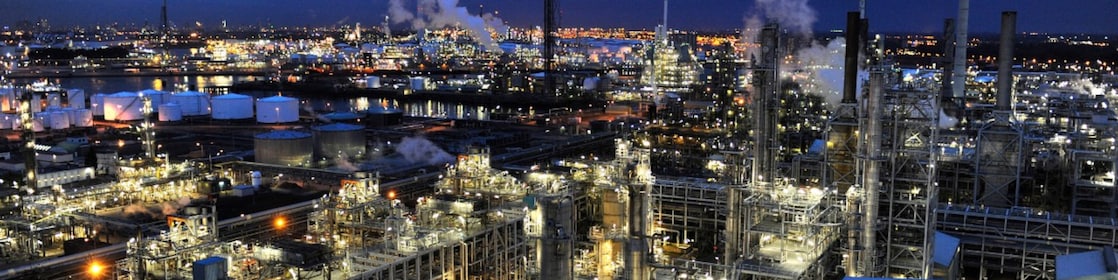
De fabriek voor het maken van plastic van LyondellBasell op de Tweede Maasvlakte, de pigmentfabriek van Tronox in de Botlek en de raffinaderij van Gunvor in Europoort.Stuk voor stuk kondigden ze de afgelopen maanden aan de poorten te sluiten. De drie zijn elk voor zich een illustratie van de moeilijke economische situatie van de basisindustrie in Europa én van het vestigingsklimaat dat uit balans is geraakt. Het rommelt ook in Nederland in de sector, ziet Joël Serphos.
“Industrie kan van alles zijn. Van de halfgeleiders die ASML maakt, of landbouwmachines. Waar het nu vaak over gaat in het nieuws is de basisindustrie. Kijk om je heen; naar de bank waarop je zit, de schoenen of bril die je draagt, het glas waaruit je drinkt – alles begint bij de basisindustrie. Het zijn juist de basisindustrieën, zoals in chemie, raffinage en staal, die het nu economisch zwaar hebben.”
Postzegel van Nederland
Sommige critici zien de industrie – zeker die nog moet vergroenen – liever gaan. Immers, je kunt altijd importeren wat je nodig hebt en de uitstoot wordt niet meer aan Nederland toegerekend. Serphos: “Dat is heel gemakkelijk gedacht. Dan haal je je producten buiten de postzegel van Nederland en dan wordt de CO2-uitstoot ook nog eens toegerekend aan een ander land. Toch gebeurt dat nu al en daarmee is een deel van de uitstoot verplaatst naar het buitenland.”
Volgens Shells politiek beleidsexpert is dat een gevaarlijke ontwikkeling. “Het consumptiepatroon van de Nederlanders is niet veranderd. Uit het oogpunt van strategische onafhankelijkheid, werkgelegenheid en eigen economie wil je juist niet alles importeren. Je wilt dingen ook zelf kunnen maken.”
De basisindustrie van Nederland
In Nederland gaat bijna 40% van alle energie naar de productie van basismaterialen, zoals staal en kunststoffen. De basisindustrie is bovendien grootverbruiker van grondstoffen. Toch kan deze productie in 2050 volledig klimaatneutraal en circulair worden.
Dit staat in het rapport Groene keuzes voor de Nederlandse basisindustrie, 11 juli 2023, van Sustainable Industry Lab. Dit is een denktank waarin wetenschappers samenwerken met experts uit de industrie, milieubeweging en overheid.
Laten betalen voor CO2-uitstoot
Dat maken wil de Europese Unie (EU) ook graag, maar ze moedigt de bedrijven die in Europa actief zijn wel aan om te verduurzamen. Onder meer door ze te laten betalen voor de uitstoot van CO2.
Hoeveel in heel Europa mag worden uitgestoten, wordt gereguleerd door het EU-emissiehandelssysteem (EU-ETS). Eén emissierecht staat gelijk aan de uitstoot van één ton kooldioxide. Die rechten mogen binnen de EU onderling worden verhandeld. Zo kan een relatief duurzaam bedrijf met certificaten een ander bedrijf met meer uitstoot helpen de kosten voor de CO2-uitstoot te verminderen.
Plafond continu stukje naar beneden
De EU stelt wel paal en perk aan de Europese emissierechten en brengt het totale plafond continu een stukje naar beneden. Zo wordt ook de handel van de emissierechten, ofwel vrije rechten, steeds verder teruggedrongen. De EU wil dat het in 2040 helemaal is gedaan met die vrije rechten.
Gelijktijdig wordt de prijs die bedrijven betalen voor iedere ton CO2 stukje bij beetje opgeschroefd. Zo heeft de EU sinds 2013 al zo’n €175 miljard opgehaald. Het geld wordt grotendeels teruggegeven aan de EU-lidstaten, dus ook aan Nederland. Het is dan aan de Nederlandse overheid te bepalen wat ze met die inkomsten doet. Al past investeren in duurzame maatregelen wel in het gedachtengoed van het EU-emissiehandelssysteem.
Zonder de tent te hoeven sluiten
Serphos: “Omdat de vrije rechten verdwijnen, hebben industrieën enorm veel haast om te verduurzamen. Het wordt simpelweg steeds moeilijker en minder betaalbaar om nog uit te stoten. Dus de stimulans om te verduurzamen werkt heel goed, mits het voor een bedrijf ook mogelijk is de CO2-uitstoot te verlagen zonder de tent te hoeven sluiten.”
Juist om meer sluitingen van Nederlandse basisindustrie te voorkomen, voeren Shell en sectorgenoten gesprekken met de Nederlandse overheid om tot werkbare regelgeving te komen, stelt Serphos.
Joel Serphos, Shells beleidsexpert relatie overheid"Industrieën hebben enorm veel haast om te verduurzamen."
4 knelpunten verduurzaming Nederlandse basisindustrie
Shells beleidsexpert Joël Serphos ziet een aantal kansen voor de industrie zelf om goed te verduurzamen, maar zet bij elk van die kansen ook kanttekeningen.
1. Netcongestie
“Zo kunnen bedrijven hun productieprocessen elektrificeren. Er moet dan allereerst ruimte zijn op het stroomnet en dat is in Nederland heel vaak lastig.”
Daar is zelfs de term netcongestie voor, dat zoveel betekent als: het stroomnet zit vol. Serphos: “Niet alleen voor de elektrificatie van industriële processen, maar ook voor bijvoorbeeld het installeren van laadpalen voor elektrische auto’s is het steeds moeilijker om een plek op het elektriciteitsnet te vinden.”
2. Nettarieven
Toch is dat volgens hem niet eens het grootste probleem van elektrificatie. “Dat zijn de nettarieven, ofwel het geld wat de industrie en mensen thuis betalen voor de investeringen in onder meer het stroomnet. Die zijn de afgelopen jaren al een paar keer over de kop gegaan en dat betekent dat het voor bedrijven economisch minder of niet meer rendabel is om een deel van het bedrijf te elektrificeren, terwijl dat voorheen nog wel te doen was.” Veel elektrificatieprojecten staan daardoor op de tocht, stelt Serphos.
3. Opvangen en opslaan CO2
Naast elektrificatie van de industrie, kan er ook wat gedaan worden aan de CO2 die ze uitstoot. Namelijk door het af te vangen en daarna op te slaan in bijvoorbeeld lege gasvelden onder de Noordzee. Voor dit carbon capture and storage (CCS) zijn er al projecten op gang, zoals Northern Lights voor de kust van Noorwegen en Porthos voor de kust van Nederland. Maar voor vervolgprojecten, zoals het Nederlandse Aramis ontbreekt nog de steun vanuit de overheid en een financieel gezonde basis om dit door te zetten, ziet Serphos.
4. Van grijze naar groene waterstof
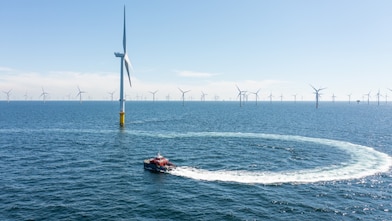
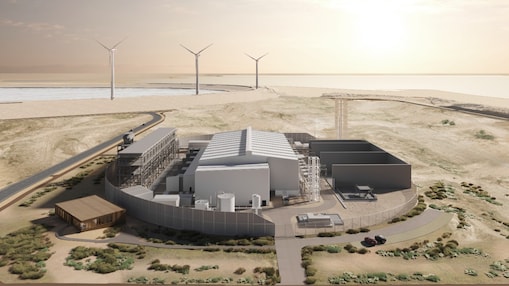
Nu zit CO2-afvang-en-opslag aan het eind van het maken van producten van olie en gas, maar duurzaamheid begint het best aan het begin. Voor sommige industrieën kan waterstof daarvoor uitkomst bieden, stelt Serphos. “Deze energiedrager wordt al gebruikt op raffinaderijen of in de productie van kunstmest.” Het gaat dan vooral om zogenoemde grijze waterstof. Daarbij is grijs de kleurcode die is gegeven aan waterstof gemaakt met aardgas. Waterstof zelf heeft geen kleur. Grijze waterstof kun je vervangen door groene waterstof. Dan wordt het gemaakt met water, CO2 en groene stroom van bijvoorbeeld een windpark op zee. Maar het beleid is hiervoor nog niet helemaal op orde, stellen Serphos en anderen.
Ons land heeft heel veel in huis
Ondanks de genoemde uitdagingen, is de Shell-beleidsexpert hoopvol dat de basisindustrie in Nederland en de rest van Europa te redden is, én relatief vlot duurzamer kan worden.
“Ik ben superoptimistisch over waar we kunnen staan op het moment dat we een paar dingen in dit land fixen. Nederland heeft heel veel te bieden als het gaat om zijn industriële basis, zijn ligging en de verbindingen met het achterland en er werken hier veel slimme mensen. Ons land heeft heel veel in huis om investeringen in de industrie aan te trekken, ook voor de verduurzaming. Daar moeten het bedrijfsleven en de overheid samen voor zorgen.”
Grote kans voor circulair plastic
Verduurzaming is ook innovatie en vernieuwing. En die kar wordt allereerst door de industrie zelf getrokken. Zo ziet Serphos voor Nederland een belangrijke rol weggelegd om voor het hergebruik plastic net als glas en blik circulair te maken. Voor moeilijk te recyclen kunststoffen wel te verstaan. Want als je met oud plastic nieuwe kunststoffen kunt maken met weinig of geen nieuwe aardolie als grondstof, dan is dat een flinke winst voor de verduurzaming van ons afval.
“Iedereen in Nederland gebruikt heel veel plastic”, stelt Serphos. “Ook veel gloednieuw plastic, dat we virgin plastic noemen. Circulair plastic betekent meer hergebruik, maar ook dat plastic producten een paar cent duurder kunnen worden. Uiteraard zal dat voor bijvoorbeeld een auto meer zijn dan voor een zakje kroepoek.”
Voor circulair plastic is juist op Shell Chemicals Park Moerdijk in november de eerste fabriek in Nederland op schaal van start gegaan, die de (Market Development) Upgrader wordt genoemd en jaarlijks het plastic afval van 2,5 miljoen Nederlanders kan verwerken. (Lees: Shell Chemicals Park Moerdijk zet grote stap richting circulair plastic). Het is wel nodig het gebruik circulair plastic te stimuleren, stelt Serphos. Daar speelt volgens hem ook de Europese Unie een rol in.
“Met onze Market Development Upgrader in Moerdijk lopen we voorop, maar het is nu belangrijk dat de vraag wordt aangejaagd en dat kan alleen met goed beleid waardoor het zakelijk interessant wordt te investeren in de installaties die helpen de circulaire plasticketen op gang te brengen. We kunnen dit alleen maar samen doen, als industrie en beleidsmakers.”
Economische en militaire dreiging
Samenwerken is nog belangrijker in tijden dat er veel onzekerheden zijn. Door de toenemende economische en militaire druk van buitenaf, lijken Europese landen bewuster geworden van de noodzaak bepaalde basisindustrie te houden.
Serphos: “Nederland en Noordwest-Europa kwamen er tijdens Corona al achter dat ze voor veel zaken afhankelijk zijn van andere landen, van handgels tot medicijnen. De toeleveringsketens begonnen te haperen.
“Zeker met een militaire dreiging wordt het steeds belangrijker dat je nog minder afhankelijk bent van het buitenland, dat zich zo maar onvoorspelbaar kan gedragen. Niet alleen voor de hardware van defensie, maar ook voor de brandstof om die voertuigen, schepen en vliegtuigen aan de praat te houden. En uiteindelijk kom je dan opnieuw uit bij die basisindustrie, die nodig is om Nederland op de been te houden.”
Joël Serphos, Shells beleidsexpert relatie overheid"Het is nu belangrijk dat de vraag naar circulair plastic wordt aangejaagd en dat kan alleen met goed beleid."
Cautionary note
Cautionary note
The companies in which Shell plc directly and indirectly owns investments are separate legal entities. In this announcement “Shell”, “Shell Group” and “Group” are sometimes used for convenience where references are made to Shell plc and its subsidiaries in general. Likewise, the words “we”, “us” and “our” are also used to refer to Shell plc and its subsidiaries in general or to those who work for them. These terms are also used where no useful purpose is served by identifying the particular entity or entities. ‘‘Subsidiaries’’, “Shell subsidiaries” and “Shell companies” as used in this announcement refer to entities over which Shell plc either directly or indirectly has control. The term “joint venture”, “joint operations”, “joint arrangements”, and “associates” may also be used to refer to a commercial arrangement in which Shell has a direct or indirect ownership interest with one or more parties. The term “Shell interest” is used for convenience to indicate the direct and/or indirect ownership interest held by Shell in an entity or unincorporated joint arrangement, after exclusion of all third-party interest.
Forward-looking Statements
This announcement contains forward-looking statements (within the meaning of the U.S. Private Securities Litigation Reform Act of 1995) concerning the financial condition, results of operations and businesses of Shell. All statements other than statements of historical fact are, or may be deemed to be, forward-looking statements. Forward-looking statements are statements of future expectations that are based on management’s current expectations and assumptions and involve known and unknown risks and uncertainties that could cause actual results, performance or events to differ materially from those expressed or implied in these statements. Forward-looking statements include, among other things, statements concerning the potential exposure of Shell to market risks and statements expressing management’s expectations, beliefs, estimates, forecasts, projections and assumptions. These forward-looking statements are identified by their use of terms and phrases such as “aim”; “ambition”; ‘‘anticipate’’; ‘‘believe’’; “commit”; “commitment”; ‘‘could’’; ‘‘estimate’’; ‘‘expect’’; ‘‘goals’’; ‘‘intend’’; ‘‘may’’; “milestones”; ‘‘objectives’’; ‘‘outlook’’; ‘‘plan’’; ‘‘probably’’; ‘‘project’’; ‘‘risks’’; “schedule”; ‘‘seek’’; ‘‘should’’; ‘‘target’’; ‘‘will’’; “would” and similar terms and phrases. There are a number of factors that could affect the future operations of Shell and could cause those results to differ materially from those expressed in the forward-looking statements included in this announcement, including (without limitation): (a) price fluctuations in crude oil and natural gas; (b) changes in demand for Shell’s products; (c) currency fluctuations; (d) drilling and production results; (e) reserves estimates; (f) loss of market share and industry competition; (g) environmental and physical risks; (h) risks associated with the identification of suitable potential acquisition properties and targets, and successful negotiation and completion of such transactions; (i) the risk of doing business in developing countries and countries subject to international sanctions; (j) legislative, judicial, fiscal and regulatory developments including regulatory measures addressing climate change; (k) economic and financial market conditions in various countries and regions; (l) political risks, including the risks of expropriation and renegotiation of the terms of contracts with governmental entities, delays or advancements in the approval of projects and delays in the reimbursement for shared costs; (m) risks associated with the impact of pandemics, such as the COVID-19 (coronavirus) outbreak, regional conflicts, such as the Russia-Ukraine war, and a significant cybersecurity breach; and (n) changes in trading conditions. No assurance is provided that future dividend payments will match or exceed previous dividend payments. All forward-looking statements contained in this announcement are expressly qualified in their entirety by the cautionary statements contained or referred to in this section. Readers should not place undue reliance on forward-looking statements. Additional risk factors that may affect future results are contained in Shell plc’s Form 20-F for the year ended December 31, 2023 (available at www.shell.com/investors/news-and-filings/sec-filings.html and www.sec.gov). These risk factors also expressly qualify all forward-looking statements contained in this announcement and should be considered by the reader. Each forward-looking statement speaks only as of the date of this announcement, November 12, 2024. Neither Shell plc nor any of its subsidiaries undertake any obligation to publicly update or revise any forward-looking statement as a result of new information, future events or other information. In light of these risks, results could differ materially from those stated, implied or inferred from the forward-looking statements contained in this announcement.
Shell’s Net Carbon Intensity
Also, in this announcement we may refer to Shell’s “Net Carbon Intensity” (NCI), which includes Shell’s carbon emissions from the production of our energy products, our suppliers’ carbon emissions in supplying energy for that production and our customers’ carbon emissions associated with their use of the energy products we sell. Shell’s NCI also includes the emissions associated with the production and use of energy products produced by others which Shell purchases for resale. Shell only controls its own emissions. The use of the terms Shell’s “Net Carbon Intensity” or NCI are for convenience only and not intended to suggest these emissions are those of Shell plc or its subsidiaries.
Shell’s net-zero emissions target
Shell’s operating plan, outlook and budgets are forecasted for a ten-year period and are updated every year. They reflect the current economic environment and what we can reasonably expect to see over the next ten years. Accordingly, they reflect our Scope 1, Scope 2 and NCI targets over the next ten years. However, Shell’s operating plans cannot reflect our 2050 net-zero emissions target, as this target is currently outside our planning period. In the future, as society moves towards net-zero emissions, we expect Shell’s operating plans to reflect this movement. However, if society is not net zero in 2050, as of today, there would be significant risk that Shell may not meet this target.
Forward-looking non-GAAP measures
This announcement may contain certain forward-looking non-GAAP measures such as cash capital expenditure and divestments. We are unable to provide a reconciliation of these forward-looking non-GAAP measures to the most comparable GAAP financial measures because certain information needed to reconcile those non-GAAP measures to the most comparable GAAP financial measures is dependent on future events some of which are outside the control of Shell, such as oil and gas prices, interest rates and exchange rates. Moreover, estimating such GAAP measures with the required precision necessary to provide a meaningful reconciliation is extremely difficult and could not be accomplished without unreasonable effort. Non-GAAP measures in respect of future periods which cannot be reconciled to the most comparable GAAP financial measure are calculated in a manner which is consistent with the accounting policies applied in Shell plc’s consolidated financial statements.
The contents of websites referred to in this announcement do not form part of this announcement.
We may have used certain terms, such as resources, in this announcement that the United States Securities and Exchange Commission (SEC) strictly prohibits us from including in our filings with the SEC. Investors are urged to consider closely the disclosure in our Form 20-F, File No 1-32575, available on the SEC website www.sec.gov