Standaardisatie van opslag CO2: saai of noodzaak?
Dat CO2 kan worden opgevangen, in vloeibare vorm kan worden vervoerd en vervolgens kan worden opgeslagen, is bekend. Ook dat veel partijen hiermee bezig zijn, in veel landen. Daarom is het handig afspraken te maken over hoe het moet. Dat gebeurde eind maart op de Energy Transition Campus Amsterdam. Ondertussen is Shell met partners in onder meer Noorwegen al best ver met Carbon capture and storage (CCS).

Tekst: Kirsten Gesink, Laura Prazeres en Marcel Burger. Beeld: Shell Norway-beeldarchief.
For English, click here or scroll down
Waar veel partijen uiteindelijk naar toe willen is niet CCS, maar CCUS, waarbij de U staat voor het kunnen gebruiken van de CO2. Om aan de gemaakte klimaatafspraken te voldoen, is de kern van de zaak dat de CO2-uitstoters de stof afvangen voordat het in de atmosfeer terechtkomt.
Is dat eenmaal gebeurd, dan kan de CO2 diep onder de grond worden opgeslagen of worden gebruikt om nuttige en commercieel levensvatbare producten te vormen. Zoals in de glastuinbouw, waar CO2 kan worden gebruikt kan worden om gewassen beter te laten groeien. Maar het kan ook worden gebruikt om biobrandstoffen te maken of koolwaterstoffen met een lagere CO2-waarde, zoals vloeibaar aardgas (LNG).
In zowel de EU Green Deal als het Nederlandse Klimaatakkoord speelt CCS/CCUS een cruciale rol bij het verminderen van de CO₂-uitstoot. Met name voor het koolstofvrij maken van energie-intensieve industrieën, zoals de staalindustrie of de kunstmestindustrie.
Import en export met elkaar verbinden
Als iedereen dat nu op ongeveer dezelfde manier gaat doen, is dat wel zo fijn. Dat vindt ook Kees Hansma, directeur Transitie Diepe Ondergrond op het Ministerie van Klimaat en Groene groei (KGG).
"Standaardisatie biedt de mogelijkheid om langere waardeketens, waaronder import en export van CO2 met elkaar te verbinden, en maakt het systeem flexibeler en kosteneffectiever”, zegt Hansma.
“Ik denk dat er veel meer mogelijk is dan we denken. We moeten voortbouwen op de ervaring van Northern Lights, Porthos en Aramis terwijl we werken aan Europese normen. Wij als Nederlandse overheid zijn bereid om kennis te delen om deze normen op orde te krijgen."
De KGG-directeur noemt gelijk drie belangrijke CCS-projecten op rij. Over Porthos kon je al eerder lezen, in de maarteditie van Venster. Aramis is een volgende stap in de CCS-opslag in Nederland, maar dan moet volgens de industrie ook de politiek daarvoor over de brug komen.
Vooruitgang op het gebied van CCS
Standaardisatie stimuleert volgens de experts innovatie door duidelijke richtlijnen en graadmeters voor nieuwe technologieën te bieden, in overeenstemming met de beste voorbeelden van hoe het moet uit de branche. Het helpt bedrijven zich te concentreren op het ontwikkelen van geavanceerde oplossingen die voldoen aan vastgestelde criteria, waardoor vooruitgang op het gebied van CCS wordt gestimuleerd.
Deze vroege projecten in Nederland, waaronder Porthos en Aramis, gebruiken geleerde lessen van andere projecten in het buitenland, zoals in Canada en Noorwegen. Daaruit zouden duidelijke richtlijnen en benchmarks (standaardniveaus) moeten worden gedestilleerd waar de hele industrie zich aan moeten houden, zo is de gedachte. Voor de overheid ligt er dan een rol als beleidsbepaler en toezichthouder.
Shell en CCS in Nederland
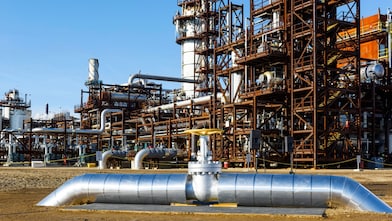
Nederland is uitermate geschikt voor de opslag van CO2. Het land heeft veel lege gasvelden onder de Noordzee waarin de CO2 veilig kan worden opgeslagen. Ook zitten er veel fabrieken bij elkaar in onder meer Rotterdam, Zeeland en Limburg. Shell heeft in Nederland meerdere activiteiten in Carbon capture and storage (CCS).
Northern Lights
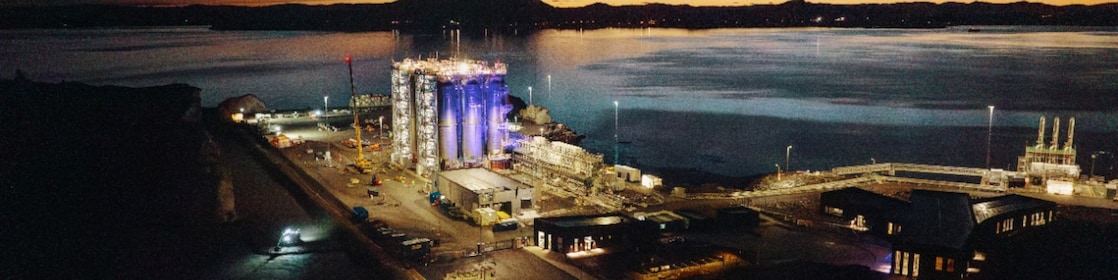
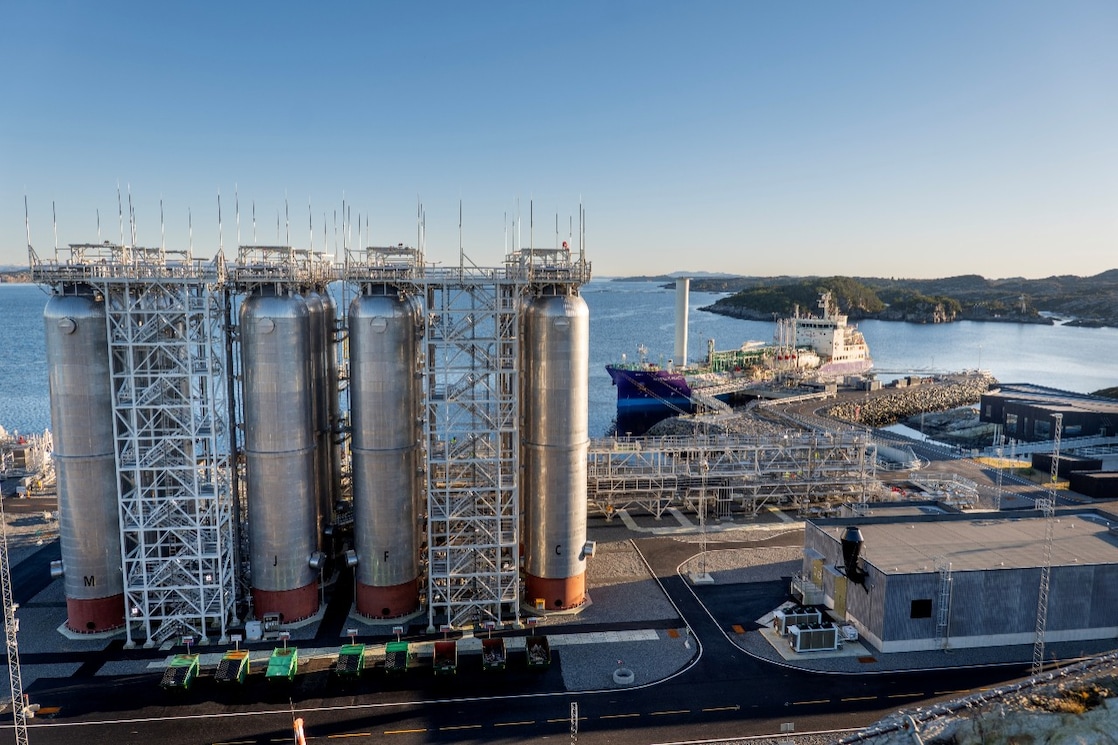
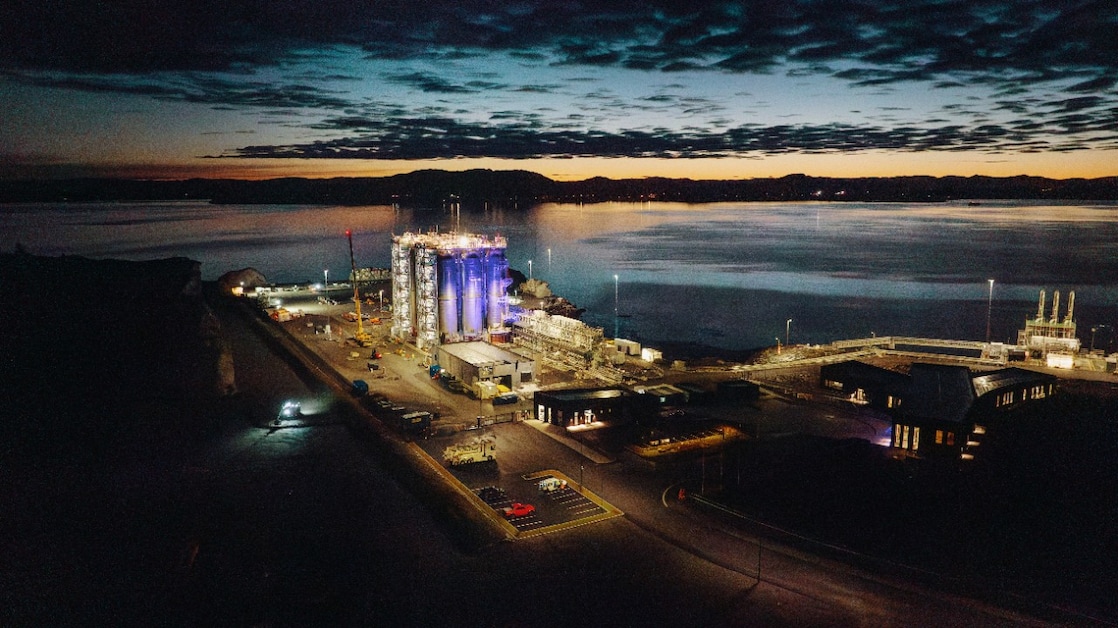
Over Noorwegen gesproken, daar is juist eind maart besloten (met een zogenoemde definitieve investeringsbeslissing) om een al bestaand CCS-project uit te breiden: Northern Lights. De transport- en opslagcapaciteit zal worden verhoogd van 1,5 miljoen tot minimaal 5 miljoen ton CO2 per jaar en wel na de ondertekening van een overeenkomst met het Stockholm Exergi om jaarlijks tot 900.000 ton CO2 via Northern Lights te vervoeren en op te slaan.
Het Zweedse bedrijf is de derde grote klant voor het door de EU financieel gesteunde Northern Lights-project van Shell, Equinor, en TotalEnergies . De andere twee zijn kunstmest en ammoniakproducent Yara uit Nederland en energiebedrijf Ørsted uit Denemarken. Vanuit Noorwegen laten ook Hafslund Celsio uit Oslo and Heidelberg Materials uit Brevik hun CO2 via Northern Lights vervoeren en opslaan.
CCS versus olie en gas
Het opvangen en opslaan van CO2 lijkt iets nieuws. Maar volgens Aksel Plener, manager van de dagelijkse gang van zaken bij de Northern Lights CCS-locatie in Øygarden, Noorwegen, is het niet heel anders dan conventionele olie en gas.
“Ze lijken eigenlijk erg op elkaar. We hebben dezelfde pomp, we hebben een pijpleiding, we hebben een reservoir", legt Plener uit. Na bijna 40 jaar ervaring met olie en gas, ging hij in 2022 bij de joint venture Northern Lights aan de slag.
“Bij olie en gas halen we de grondstof uit de grond en vervoeren het per schip of pijplijn naar onze klanten. Met Northern Lights is het een zelfde process, maar dan andersom. We halen de CO2 op bij de klanten, transporteren het per schip naar de Northern Lights-locatie en injecteren het de grond.” Die grond zijn de gasvelden of reservoirs onder de Noordzee waar de olie en gas uit gewonnen is en dus leeg zijn.
Eerste commerciële CCS-project op schaal
Northern Lights is ’s werelds eerste commerciële CCS-project op schaal. In de buitenwereld komt nog wel eens de vraag waarom het juist bedrijven groot geworden met olie en gas zijn die zich met CCS bezighouden.
Maar projecten als deze hebben extern vragen opgeroepen, waarbij sommigen zich afvragen waarom olie- en gasbedrijven het voortouw nemen met CCS, in plaats van die buiten de fossiele brandstofindustrie. Daar heeft Plener wel een verklaring voor. "We zijn de eersten, omdat we weten hoe we het moeten doen – we hebben tientallen jaren ervaring met putten en reservoirs.”
Bij Northern Lights is bovendien geen van de klanten een olie- en gasbedrijf, maar zijn het industrieën die lastiger te verduurzamen zijn, signaleert Plener. "We hebben staal nodig, we hebben cement nodig en we moeten deze industrieën een kans geven om hun uitstoot te verminderen.”
Carbon capture (utilisation) and storage zit in de lift. Met best practices van onder meer Northern Lights in Noorwegen en met standaardisatie van hoe we het in Nederland gaat doen, lijkt een betrouwbare toekomst van CCS volgens de experts gewaarborgd.
Aksel Plener, manager dagelijkse operaties, Northern Lights CCS-locatie in Øygarden, Noorwegen"We zijn de eersten, omdat we weten hoe we het moeten doen (met) tientallen jaren ervaring met putten en reservoirs.”
Cautionary note
Cautionary note
The companies in which Shell plc directly and indirectly owns investments are separate legal entities. In this announcement “Shell”, “Shell Group” and “Group” are sometimes used for convenience where references are made to Shell plc and its subsidiaries in general. Likewise, the words “we”, “us” and “our” are also used to refer to Shell plc and its subsidiaries in general or to those who work for them. These terms are also used where no useful purpose is served by identifying the particular entity or entities. ‘‘Subsidiaries’’, “Shell subsidiaries” and “Shell companies” as used in this announcement refer to entities over which Shell plc either directly or indirectly has control. The term “joint venture”, “joint operations”, “joint arrangements”, and “associates” may also be used to refer to a commercial arrangement in which Shell has a direct or indirect ownership interest with one or more parties. The term “Shell interest” is used for convenience to indicate the direct and/or indirect ownership interest held by Shell in an entity or unincorporated joint arrangement, after exclusion of all third-party interest.
Forward-looking Statements
This announcement contains forward-looking statements (within the meaning of the U.S. Private Securities Litigation Reform Act of 1995) concerning the financial condition, results of operations and businesses of Shell. All statements other than statements of historical fact are, or may be deemed to be, forward-looking statements. Forward-looking statements are statements of future expectations that are based on management’s current expectations and assumptions and involve known and unknown risks and uncertainties that could cause actual results, performance or events to differ materially from those expressed or implied in these statements. Forward-looking statements include, among other things, statements concerning the potential exposure of Shell to market risks and statements expressing management’s expectations, beliefs, estimates, forecasts, projections and assumptions. These forward-looking statements are identified by their use of terms and phrases such as “aim”; “ambition”; ‘‘anticipate’’; ‘‘believe’’; “commit”; “commitment”; ‘‘could’’; ‘‘estimate’’; ‘‘expect’’; ‘‘goals’’; ‘‘intend’’; ‘‘may’’; “milestones”; ‘‘objectives’’; ‘‘outlook’’; ‘‘plan’’; ‘‘probably’’; ‘‘project’’; ‘‘risks’’; “schedule”; ‘‘seek’’; ‘‘should’’; ‘‘target’’; ‘‘will’’; “would” and similar terms and phrases. There are a number of factors that could affect the future operations of Shell and could cause those results to differ materially from those expressed in the forward-looking statements included in this announcement, including (without limitation): (a) price fluctuations in crude oil and natural gas; (b) changes in demand for Shell’s products; (c) currency fluctuations; (d) drilling and production results; (e) reserves estimates; (f) loss of market share and industry competition; (g) environmental and physical risks; (h) risks associated with the identification of suitable potential acquisition properties and targets, and successful negotiation and completion of such transactions; (i) the risk of doing business in developing countries and countries subject to international sanctions; (j) legislative, judicial, fiscal and regulatory developments including regulatory measures addressing climate change; (k) economic and financial market conditions in various countries and regions; (l) political risks, including the risks of expropriation and renegotiation of the terms of contracts with governmental entities, delays or advancements in the approval of projects and delays in the reimbursement for shared costs; (m) risks associated with the impact of pandemics, such as the COVID-19 (coronavirus) outbreak, regional conflicts, such as the Russia-Ukraine war, and a significant cybersecurity breach; and (n) changes in trading conditions. No assurance is provided that future dividend payments will match or exceed previous dividend payments. All forward-looking statements contained in this announcement are expressly qualified in their entirety by the cautionary statements contained or referred to in this section. Readers should not place undue reliance on forward-looking statements. Additional risk factors that may affect future results are contained in Shell plc’s Form 20-F for the year ended December 31, 2024 (available at www.shell.com/investors/news-and-filings/sec-filings.html and www.sec.gov). These risk factors also expressly qualify all forward-looking statements contained in this announcement and should be considered by the reader. Each forward-looking statement speaks only as of the date of this announcement, May 22, 2025. Neither Shell plc nor any of its subsidiaries undertake any obligation to publicly update or revise any forward-looking statement as a result of new information, future events or other information. In light of these risks, results could differ materially from those stated, implied or inferred from the forward-looking statements contained in this announcement.
Shell’s Net Carbon Intensity
Also, in this announcement we may refer to Shell’s “Net Carbon Intensity” (NCI), which includes Shell’s carbon emissions from the production of our energy products, our suppliers’ carbon emissions in supplying energy for that production and our customers’ carbon emissions associated with their use of the energy products we sell. Shell’s NCI also includes the emissions associated with the production and use of energy products produced by others which Shell purchases for resale. Shell only controls its own emissions. The use of the terms Shell’s “Net Carbon Intensity” or NCI are for convenience only and not intended to suggest these emissions are those of Shell plc or its subsidiaries.
Shell’s net-zero emissions target
Shell’s operating plan, outlook and budgets are forecasted for a ten-year period and are updated every year. They reflect the current economic environment and what we can reasonably expect to see over the next ten years. Accordingly, they reflect our Scope 1, Scope 2 and NCI targets over the next ten years. However, Shell’s operating plans cannot reflect our 2050 net-zero emissions target, as this target is currently outside our planning period. In the future, as society moves towards net-zero emissions, we expect Shell’s operating plans to reflect this movement. However, if society is not net zero in 2050, as of today, there would be significant risk that Shell may not meet this target.
Forward-looking non-GAAP measures
This announcement may contain certain forward-looking non-GAAP measures such as cash capital expenditure and divestments. We are unable to provide a reconciliation of these forward-looking non-GAAP measures to the most comparable GAAP financial measures because certain information needed to reconcile those non-GAAP measures to the most comparable GAAP financial measures is dependent on future events some of which are outside the control of Shell, such as oil and gas prices, interest rates and exchange rates. Moreover, estimating such GAAP measures with the required precision necessary to provide a meaningful reconciliation is extremely difficult and could not be accomplished without unreasonable effort. Non-GAAP measures in respect of future periods which cannot be reconciled to the most comparable GAAP financial measure are calculated in a manner which is consistent with the accounting policies applied in Shell plc’s consolidated financial statements.
The contents of websites referred to in this announcement do not form part of this announcement.
We may have used certain terms, such as resources, in this announcement that the United States Securities and Exchange Commission (SEC) strictly prohibits us from including in our filings with the SEC. Investors are urged to consider closely the disclosure in our Form 20-F, File No 1-32575, available on the SEC website www.sec.gov
Standardisation of CCS: boring or essential?
22 May 2025
That CO2 can be captured, transported in liquid form and then stored is well known. Projects in carbon capture and storage (CCS) are implemented in many countries, by many parties. In March, several of them flocked together in the Dutch capital. At the Energy Transition Campus Amsterdam their mission was to agree on business standards in CCS. Meanwhile in Norway, Shell and partners are quite ahead of things with the Northern Lights projects.

Text: Kirsten Gesink, Laura Prazeres and Marcel Burger. Photography: Shell Norway Image Archives.
What many parties ultimately want to achieve is not CCS, but CCUS, where the U stands for utilisation of CO2. But the key starting point stays the same: to comply with the world’s climate agreements, CO2 emitters capture the substance before it ends up in the atmosphere.
Once that has happened, the CO2 can be stored deep underground or used to form useful and commercially viable products. Like in greenhouse horticulture, where CO2 can be used for better growth of crops. CO2 can also be used as feedstock for biofuels or the creation of hydrocarbons with a lower CO2 level, like liquefied natural gas (LNG).
Crucial role in reducing CO2
CCS/CCUS plays a crucial role in reducing CO2 emissions in e.g. the EU Green Deal and the Dutch Climate Agreement. In particular, it is seen as an important step to decarbonise energy-intensive industries, such as steel or the fertiliser plants.
Global standards for the widespread adoption of CCUS technologies is a great thing, says Kees Hansma, Director of the Deep Subsurface Transition at the Dutch Ministry of Climate and Green Growth (KGG).
“Standardization brings an opportunity to connect longer value chains, including import and export of CO2, and makes the system more flexible and cost-effective. I think there is much more possible than we think. We should build on the experience of Northern Lights, Porthos and Aramis as we are working towards European standards. We as Dutch government are willing to share knowledge to get these standards in place," Hansma says.
The KGG director immediately mentions three important CCS projects in a row. Shell Venster covered Porthos in its March edition. Aramis is the next step in CCS storage in the Netherlands, but according to the industry, the government needs to give it full support to make it work.
Progress on CCS
Standardization, according to the experts, drives innovation by providing clear guidelines and yardsticks for new technologies, in line with the industry's best practices. It helps companies focus on developing cutting-edge solutions that meet established criteria, driving progress in CCS.
The initial projects in the Netherlands, including Porthos and Aramis, use the lessons learned from projects in other countries, such as in Canada and Norway. The idea is that clear guidelines and benchmarks should be distilled from these learnings and adopted by the entire CCS industrial sector. The government is needed for its role as as policymaker and supervisor.
Shell and CCS in the Netherlands
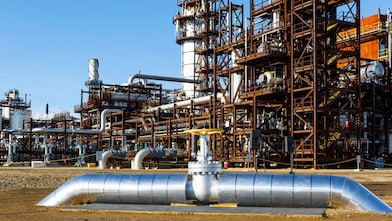
The Netherlands is extremely suitable for the storage of CO2. The country has many empty gas fields under the North Sea in which the CO2 can be safely tucked away. There are also many industrial clusster in e.g. Rotterdam, Zeeland (Southwest) and Limburg (Southeast). Shell is involved in several activities in carbon capture and storage (CCS) in the Netherlands.
Northern Lights
Meanwhile in Norway, a final investment decision to expand the existing Northern Lights CCS project was made in March. It means an increase of the transport and storage capacity from 1.5 million to a minimum of 5 million tonnes of CO2 per year. It is the result of an agreement made with Stockholm Exergi, with the Swedish company contributing up to 900,000 tonnes of CO2 annually to Northern Lights.
Stockholm Exergi is the third major customer for the EU-backed Northern Lights project of Shell, Equinor, and TotalEnergies. The other two are fertilizer and ammonia producer Yara from the Netherlands and energy company Ørsted from Denmark. Smaller Norwegian customers Hafslund Celsio from Oslo and Heidelberg Materials from Brevik also joined Northern Lights to have their CO2 emissions transported and stored via Northern Lights.
CCS versus Oil and gas
To many capturing and storing CO2 sounds like something completely new. But according to Aksel Plener, Daily Operations Manager at the Northern Lights CCS site in Øygarden, Norway, it’s rather similar to conventional oil and gas.
"We have the same pump, we have a pipeline, we have a reservoir," explains Plener. After almost 40 years of experience with oil and gas, he joined the Northern Lights joint venture in 2022.
"With oil and gas, we extract the raw material from the ground and transport it to our customers by ship or pipeline. With Northern Lights it is the same process, but the other way around. We collect the CO2 from the customers, transport it by ship to the Northern Lights site and inject it into the ground." With “ground” Plener means gas fields or reservoirs in the North Sea bed from which oil and gas have been extracted and are therefore empty.
First commercial CCS project at scale
Northern Lights is the world's first commercial CCS project at scale. But projects like this have raised questions externally, with some asking why oil and gas companies are leading the way with CCS, rather than those outside of the fossil fuel industry. Plener has an explanation for that. "We are the first, because we know how to do it – we have decades of experience with wells and reservoirs."
Moreover, none of the current customers of Northern Lights are fossil fuel producers. Instead, they are from hard-to-abate industries. This, Plener points out, is where CCS can make a difference. “We need steel, we need cement, and we need to give these industries a chance to reduce their emissions.”
Carbon capture (utilisation) and storage is on the rise. With best practices from Northern Lights in Norway, among others, and with standardisation of how parties in the Netherlands will execute their individual CCS projects a reliable future of CCS seems to be guaranteed, experts say.
Aksel Plener, Daily Operations Manager Northern Lights CCS"We are the first, because we know how to do it – we have decades of experience with wells and reservoirs"
Cautionary note
Cautionary note
The companies in which Shell plc directly and indirectly owns investments are separate legal entities. In this announcement “Shell”, “Shell Group” and “Group” are sometimes used for convenience where references are made to Shell plc and its subsidiaries in general. Likewise, the words “we”, “us” and “our” are also used to refer to Shell plc and its subsidiaries in general or to those who work for them. These terms are also used where no useful purpose is served by identifying the particular entity or entities. ‘‘Subsidiaries’’, “Shell subsidiaries” and “Shell companies” as used in this announcement refer to entities over which Shell plc either directly or indirectly has control. The term “joint venture”, “joint operations”, “joint arrangements”, and “associates” may also be used to refer to a commercial arrangement in which Shell has a direct or indirect ownership interest with one or more parties. The term “Shell interest” is used for convenience to indicate the direct and/or indirect ownership interest held by Shell in an entity or unincorporated joint arrangement, after exclusion of all third-party interest.
Forward-looking Statements
This announcement contains forward-looking statements (within the meaning of the U.S. Private Securities Litigation Reform Act of 1995) concerning the financial condition, results of operations and businesses of Shell. All statements other than statements of historical fact are, or may be deemed to be, forward-looking statements. Forward-looking statements are statements of future expectations that are based on management’s current expectations and assumptions and involve known and unknown risks and uncertainties that could cause actual results, performance or events to differ materially from those expressed or implied in these statements. Forward-looking statements include, among other things, statements concerning the potential exposure of Shell to market risks and statements expressing management’s expectations, beliefs, estimates, forecasts, projections and assumptions. These forward-looking statements are identified by their use of terms and phrases such as “aim”; “ambition”; ‘‘anticipate’’; ‘‘believe’’; “commit”; “commitment”; ‘‘could’’; ‘‘estimate’’; ‘‘expect’’; ‘‘goals’’; ‘‘intend’’; ‘‘may’’; “milestones”; ‘‘objectives’’; ‘‘outlook’’; ‘‘plan’’; ‘‘probably’’; ‘‘project’’; ‘‘risks’’; “schedule”; ‘‘seek’’; ‘‘should’’; ‘‘target’’; ‘‘will’’; “would” and similar terms and phrases. There are a number of factors that could affect the future operations of Shell and could cause those results to differ materially from those expressed in the forward-looking statements included in this announcement, including (without limitation): (a) price fluctuations in crude oil and natural gas; (b) changes in demand for Shell’s products; (c) currency fluctuations; (d) drilling and production results; (e) reserves estimates; (f) loss of market share and industry competition; (g) environmental and physical risks; (h) risks associated with the identification of suitable potential acquisition properties and targets, and successful negotiation and completion of such transactions; (i) the risk of doing business in developing countries and countries subject to international sanctions; (j) legislative, judicial, fiscal and regulatory developments including regulatory measures addressing climate change; (k) economic and financial market conditions in various countries and regions; (l) political risks, including the risks of expropriation and renegotiation of the terms of contracts with governmental entities, delays or advancements in the approval of projects and delays in the reimbursement for shared costs; (m) risks associated with the impact of pandemics, such as the COVID-19 (coronavirus) outbreak, regional conflicts, such as the Russia-Ukraine war, and a significant cybersecurity breach; and (n) changes in trading conditions. No assurance is provided that future dividend payments will match or exceed previous dividend payments. All forward-looking statements contained in this announcement are expressly qualified in their entirety by the cautionary statements contained or referred to in this section. Readers should not place undue reliance on forward-looking statements. Additional risk factors that may affect future results are contained in Shell plc’s Form 20-F for the year ended December 31, 2024 (available at www.shell.com/investors/news-and-filings/sec-filings.html and www.sec.gov). These risk factors also expressly qualify all forward-looking statements contained in this announcement and should be considered by the reader. Each forward-looking statement speaks only as of the date of this announcement, May 22, 2025. Neither Shell plc nor any of its subsidiaries undertake any obligation to publicly update or revise any forward-looking statement as a result of new information, future events or other information. In light of these risks, results could differ materially from those stated, implied or inferred from the forward-looking statements contained in this announcement.
Shell’s Net Carbon Intensity
Also, in this announcement we may refer to Shell’s “Net Carbon Intensity” (NCI), which includes Shell’s carbon emissions from the production of our energy products, our suppliers’ carbon emissions in supplying energy for that production and our customers’ carbon emissions associated with their use of the energy products we sell. Shell’s NCI also includes the emissions associated with the production and use of energy products produced by others which Shell purchases for resale. Shell only controls its own emissions. The use of the terms Shell’s “Net Carbon Intensity” or NCI are for convenience only and not intended to suggest these emissions are those of Shell plc or its subsidiaries.
Shell’s net-zero emissions target
Shell’s operating plan, outlook and budgets are forecasted for a ten-year period and are updated every year. They reflect the current economic environment and what we can reasonably expect to see over the next ten years. Accordingly, they reflect our Scope 1, Scope 2 and NCI targets over the next ten years. However, Shell’s operating plans cannot reflect our 2050 net-zero emissions target, as this target is currently outside our planning period. In the future, as society moves towards net-zero emissions, we expect Shell’s operating plans to reflect this movement. However, if society is not net zero in 2050, as of today, there would be significant risk that Shell may not meet this target.
Forward-looking non-GAAP measures
This announcement may contain certain forward-looking non-GAAP measures such as cash capital expenditure and divestments. We are unable to provide a reconciliation of these forward-looking non-GAAP measures to the most comparable GAAP financial measures because certain information needed to reconcile those non-GAAP measures to the most comparable GAAP financial measures is dependent on future events some of which are outside the control of Shell, such as oil and gas prices, interest rates and exchange rates. Moreover, estimating such GAAP measures with the required precision necessary to provide a meaningful reconciliation is extremely difficult and could not be accomplished without unreasonable effort. Non-GAAP measures in respect of future periods which cannot be reconciled to the most comparable GAAP financial measure are calculated in a manner which is consistent with the accounting policies applied in Shell plc’s consolidated financial statements.
The contents of websites referred to in this announcement do not form part of this announcement.
We may have used certain terms, such as resources, in this announcement that the United States Securities and Exchange Commission (SEC) strictly prohibits us from including in our filings with the SEC. Investors are urged to consider closely the disclosure in our Form 20-F, File No 1-32575, available on the SEC website www.sec.gov