Flying Dutch, het geheim van Circuit Zandvoort
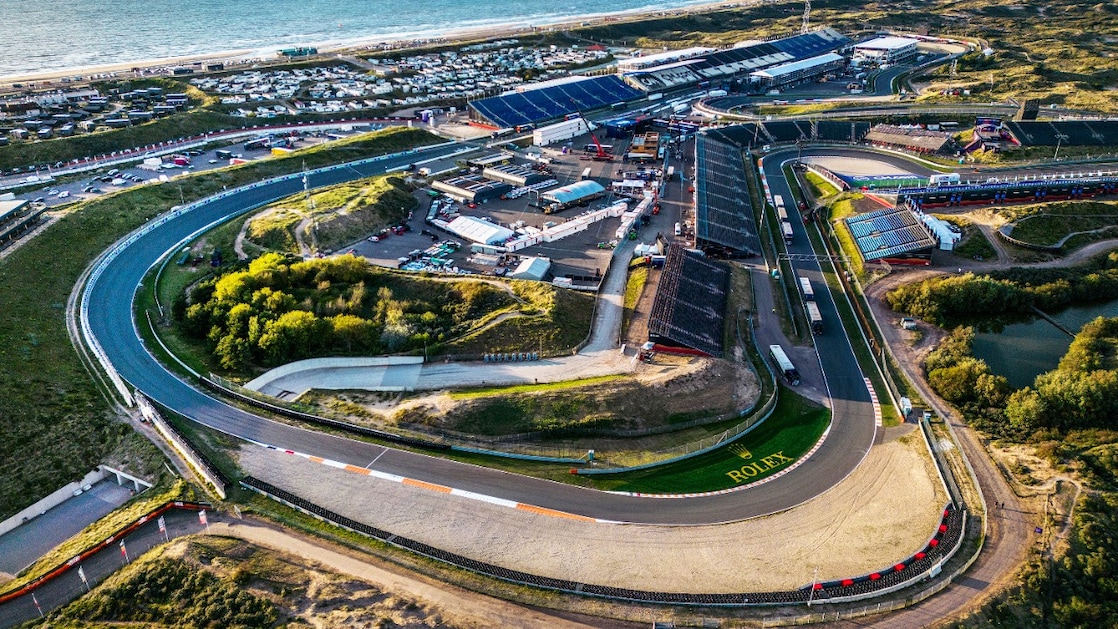
Zoals een grasmat van cruciaal belang is voor een goede voetbalwedstrijd, is asfalt dat voor een racewedstrijd. Voor Circuit Zandvoort is zelfs een geheim recept ontwikkeld, genaamd ‘Flying Dutch’. Met deze formule kunnen coureurs uit de Formule 1 tijdens de Dutch Grand Prix 'vliegen' over een element dat een paar jaar geleden aan de racebaan werd toegevoegd: de kombocht.

Tekst: Erik van der Velden. Beeld: ANP, Circuit Zandvoort (profielfoto in kader)
For English, click here or scroll down
De kombocht loopt schuin omhoog, wat het mogelijk maakt om met een hogere snelheid uit de bocht te racen, waardoor de kans op geslaagde inhaalacties toenemen. De FOM, organisator en rechtenhouder van de Formule 1, eiste in 2019 een spannender circuit om de Dutch Grand Prix na 35 jaar afwezigheid te laten terugkeren op de Formule 1-kalender.
“Op een ochtend onder de douche kreeg ik een ingeving: wat nou als we een kombocht toevoegen?” vertelt Niek Oude Luttikhuis, trackmanager bij Circuit Zandvoort. Het bleek een gouden vondst. De FOM voerde simulaties uit en gaf groen licht. Dit betekende het definitieve startsein voor een spectaculaire terugkeer van de Dutch Grand Prix in de Formule 1.
Helling
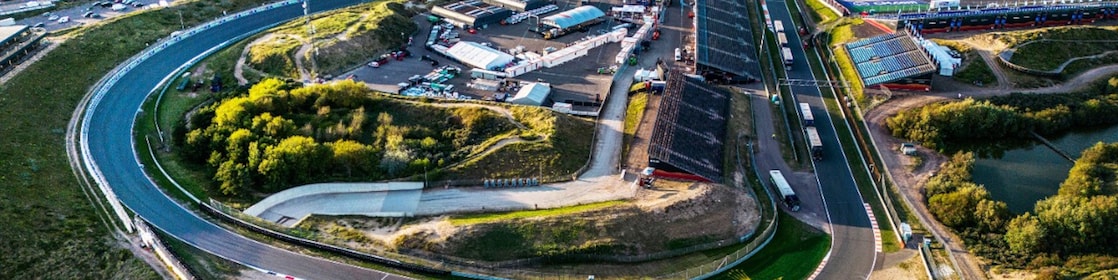
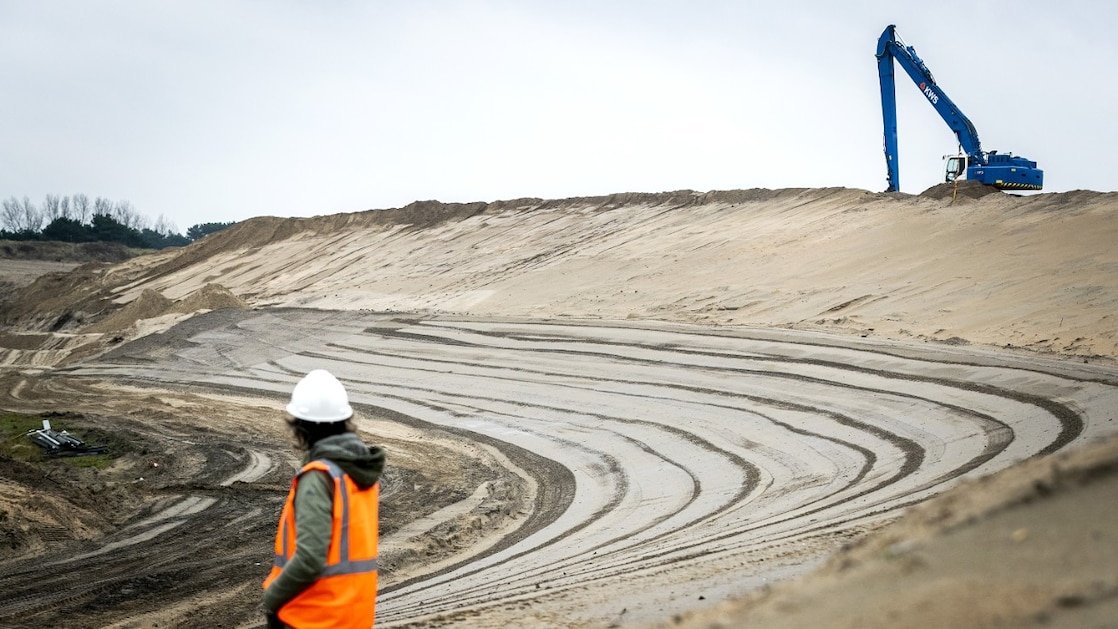
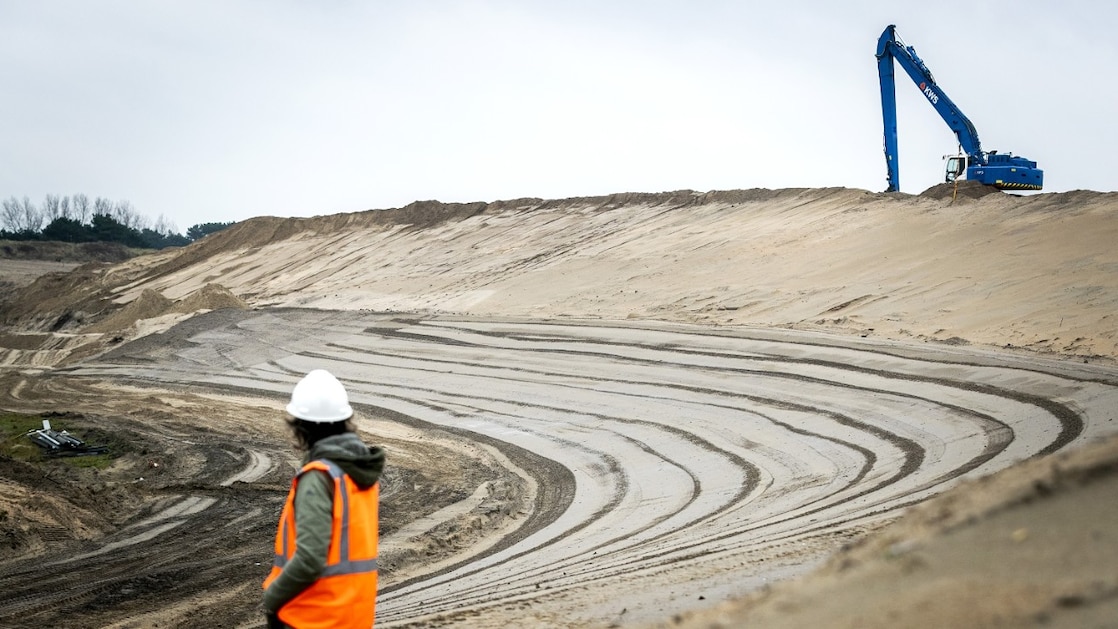
De Arie Luyendykbocht onderging een flinke metamorfose en werd uiteindelijk getransformeerd tot een indrukwekkende kombocht met een helling van 15 tot 18 graden. In de beginjaren van het 75 jaar oude koningsklasse van de autosport, waren er al circuits met vergelijkbare elementen, zoals de spectaculaire kombaan van Monza tijdens de Italiaanse Grand Prix van 1955 tot 1961. Deze elementen verdwenen echter geleidelijk van het racetoneel door diverse incidenten en strengere veiligheidseisen. Met de introductie van de ‘Safer barrier’ - een gesloten vangrailconstructie van staal met speciale schuimelementen – op Circuit Zandvoort worden de krachten en energie die een coureur ervaart bij een incident aanzienlijk verminderd in vergelijking met vroeger. Daarnaast kunnen beschadigde auto’s nu ook doorglijden naar een veiligere locatie aan het einde van de bocht.
Flying Dutch
Het toevoegen van een kombocht gaf ook uitdagingen voor het asfalt: “Als het warm wordt mag het bijvoorbeeld niet naar beneden krullen”, legt Oude Luttikhuis uit. In samenwerking met onder meer Dromo, een Italiaanse circuitarchitect, werd een speciale asfaltmix ontwikkeld die bestand is tegen de weersomstandigheden in Zandvoort en de extreme krachten die vrijkomen tijdens een Formule 1-race. Dit geheime recept kreeg de naam ‘Flying Dutch’. “Hier kwam onze Italiaanse architect mee”, vertelt de trackmanager uit Oldenzaal.
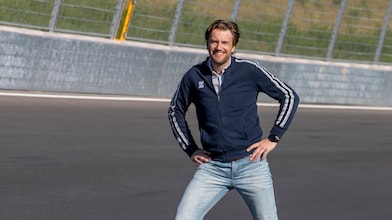
Wie is Niek Oude Luttikhuis?
Niek Oude Luttikhuis is trackmanager bij Circuit Zandvoort. Dit werk doet hij sinds 2005. Zijn missie: het circuit in topconditie houden. Zijn favoriete bocht is het Scheivlak. Zijn favoriete coureur aller tijden is Jacky Ickx.
In het asfalt is ook een product van Shell te vinden, wat gebruikt wordt als bindmiddel voor deze speciale mix: Shell Bitumen. “Zonder bitumen is er geen asfalt en zouden we terugvallen op grind of beton”, legt Paul Boelens uit, accountmanager van Shell Bitumen in de Benelux.
Shell Bitumen bouwt voort op meer dan 100 jaar technologische ontwikkeling en in 2020 is deze expertise ingezet om een racetrack-formulering op maat te ontwikkelen voor de baan van Zandvoort. “Deze unieke bitumenoplossing is gefocust op grip en voldoet aan de hoge eisen van een Formule 1-circuit", aldus Boelens.
Vandaag de dag ligt het asfalt nog steeds in uitstekende staat op het circuit. Buiten het dagelijks goed schoonhouden, vergt het verder geen onderhoud voor Oude Luttikhuis. Op de paddock, het omheinde gedeelte voor alleen de raceteams, ligt overigens geen ‘Flying Dutch’. Daar vind je gewoon asfalt wat je doorgaans ook op autowegen ziet.
De kracht van Zandvoort
“Ons profiel van de baan is uitdagend, dat vinden mensen mooi”, vervolgt trackmanager Niek Oude Luttikhuis zijn verhaal. Het circuit telt 14 bochten en heeft een lengte van 4,3 kilometer. Wat Zandvoort onderscheidt van veel nieuwe circuits is dat het een 3D-profiel heeft met 15 hoogtemeters. Dit maakt het een attractief baan voor coureurs. Zo bleek onlangs uit de woorden van Lewis Hamilton, Ferrari-coureur en zevenvoudig wereldkampioen van de Formule 1, voor de camera’s van Viaplay: “Circuit Zandvoort is als een oud huis. De imperfecties en hoogteverschillen geven het echt karakter, wat het voor mij tot een van de beste circuits maakt.”
Ook de ligging maakt het circuit aantrekkelijk volgens de trackmanager. “De meeste circuits liggen ver buiten de stad. In Zandvoort kun je lopend naar het strand of op de trein stappen naar Haarlem of Amsterdam. Dat vinden mensen fijn.”
Vlaggetjes
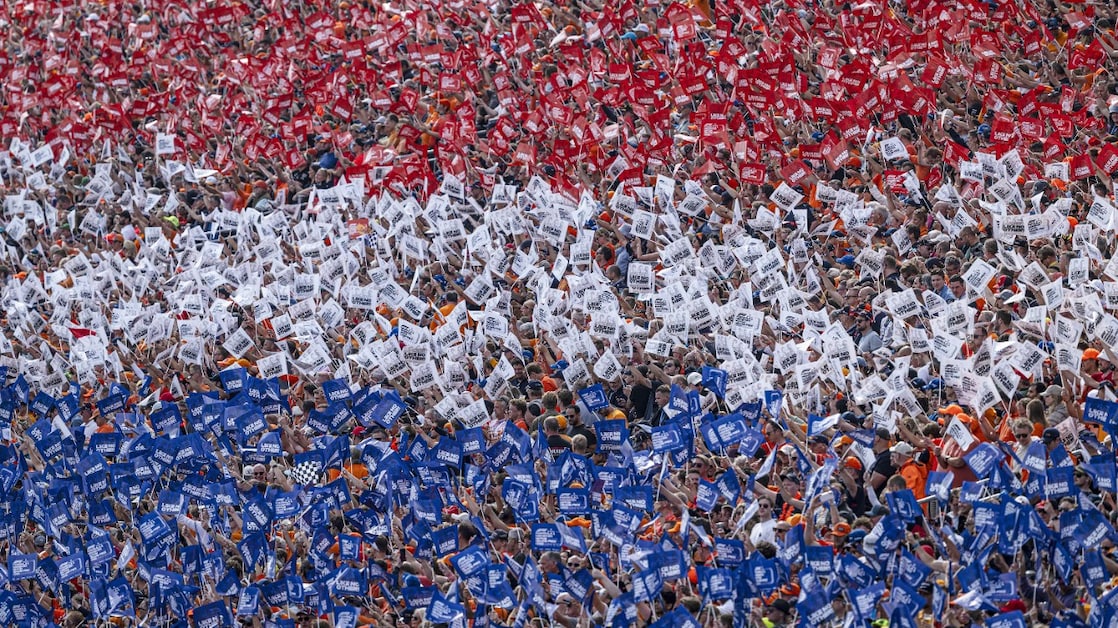
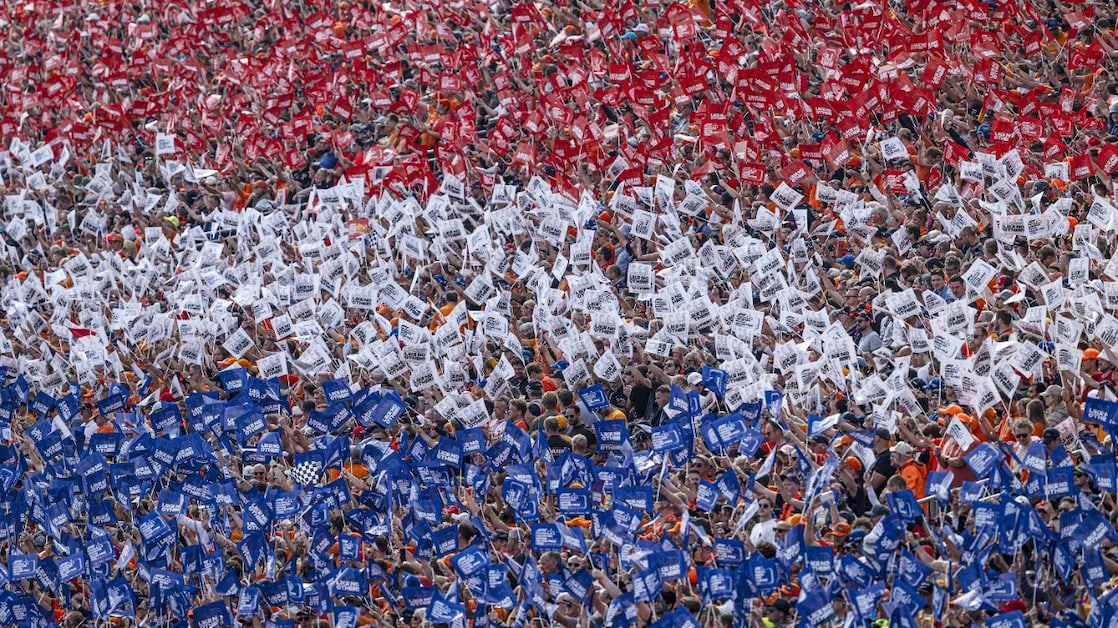
Ook het publiek is een visitekaartje van het evenement. “We doen er alles aan om de fans en de nationale trots te activeren. Van rood-wit-blauwe vlaggetjes, tot dj’s op de tribunes en een nationale artiest die opent met het Wilhelmus.” Na de Dutch Grand Prix in 2021 heeft de Formule 1 alle andere locaties opgelegd om hetzelfde te doen: “Dit is vanaf nu het voorbeeld, doe dit zoals zij dat ook doen.” Ten slotte wordt het circuit volledig privaat gerund, wat vrij uniek is in de wereld van racebanen.
Niek Oude Luttikhuis, trackmanager Circuit Zandvoort"De baan is uitdagend, dat vinden mensen mooi"
Toekomst
De Dutch Grand Prix heeft zelf besloten om na 2026 van de Formule 1-kalender te verdwijnen, maar het circuit wordt volgens de trackmanager zeker niet opgedoekt. "Voordat de Formule 1 hier kwam, was het circuit ook al dagelijks in gebruik van maart tot november. Ook komt er een heel leuk nieuw evenement voor terug in de plaats.” Maar hier wil de 45-jarige Oldenzaler verder nog niets over verklappen.
Op het gebied van innovatie wil het circuit ook blijvend accelereren. Op dit moment zijn ze nog afhankelijk van vrijwilligers om te communiceren met coureurs op de baan, maar de bedoeling is dat dit in de toekomst wordt geautomatiseerd met behulp van AI-systemen. Die detecteren als voertuigen stilvallen en communiceert met vlaggen via digitale schermen.
Duurzaam
“Daarnaast zijn we duurzaam bezig met zonnepanelen, afvalscheiding, energiemonitoring en allerlei andere projecten.” Op de paddock zijn ook Shell Recharge-laadpalen te vinden en wordt er tevens gewerkt om een groot laadplein van 20 laadpalen te realiseren. “We zien steeds meer elektrische auto’s die een circuitdag doen.”
Met het asfalt is daarom ook rekening gehouden met steeds zwaardere auto’s door grotere accu’s. Op dit moment loopt er een aanvraagprocedure om het hoogste duurzaamheidslabel van de internationale autosportfederatie FIA te verkrijgen. “Daar zijn we goed genoeg voor, dus dit kunnen we makkelijk halen.” Oude Luttikhuis ziet echter de Formule 1 voorlopig niet volledig elektrisch worden. “Er zit nog veel te veel emotie in een verbrandingsmotor.”
Dat een grasmeester gras in zijn tuin heeft liggen, lijkt vanzelfsprekend. Maar heeft een asfaltmeester dan ook asfalt in zijn tuin? “Gelukkig niet. Thuis houd ik toch wel gewoon van ouderwetse klinkers.”
Meer raceverhalen op Shell.nl/venster
Flying Dutch, the secret of the Zandvoort F1 Grand Prix racetrack
26 Aug. 2025
Just as a good grass pitch is crucial for a proper football match, asphalt is essential for a racing event. For Circuit Zandvoort in the Netherlands, a secret formula was even developed, called ‘Flying Dutch’. With this formula, Formula 1 drivers can ‘fly’ during the Dutch Grand Prix at the end of August—over an element that was added to the track a few years ago: the banked corner.

Text: Erik van der Velden. Photography: ANP, Circuit Zandvoort (profile photo in the sidebar)
The banked corner slopes upward, allowing drivers to race out of the turn at higher speeds, which increases the chances of successful overtaking maneuvers. In 2019, the FOM, the organiser and rights holder of Formula 1, demanded a more exciting circuit to bring the Dutch Grand Prix back to the Formula 1 calendar after a 35-year absence.
“One morning in the shower, I had a sudden idea: what if we added a banked corner?” says Niek Oude Luttikhuis, Track Manager at Circuit Zandvoort. It turned out to be a golden idea. The FOM ran simulations and gave the green light. This marked the official starting point for the spectacular return of the Dutch Grand Prix to Formula 1.
Incline
The Zandvoort racetrack is located in the dunes of the Zandvoort town, at the North Sea coast of the Netherlands, about 35 kilometres (22 miles) west from the Dutch capital of Amsterdam. It is the only F1 certified racetrack of the country of 18 million people, and is known as a "classic" circuit among fans.
The Arie Luyendyk corner of Circuit Zandvoort underwent a major transformation and was ultimately turned into an impressive banked corner with an incline of 15 to 18 degrees. In the early years of the 75-year-old premier class of motorsport, there were already racetracks with similar features, such as the spectacular banked track at Monza during the Italian Grand Prix from 1955 to 1961. However, these elements gradually disappeared from the racing scene due to various incidents and stricter safety regulations. With the introduction of the “Safer barrier”—a closed guardrail construction made of steel with special foam elements—at Circuit Zandvoort, the forces and energy a driver experiences during an incident are significantly reduced compared to the past. Additionally, damaged cars can now slide through to a safer location at the end of the corner.
Flying Dutch
Adding a banked corner also posed challenges for the asphalt: “When it gets hot, for example, it mustn’t curl downward,” Oude Luttikhuis explains. In collaboration with Dromo, an Italian circuit architect, a special asphalt mix was developed that can withstand Zandvoort’s weather conditions and the extreme forces released during a Formula 1 race. This secret formula was named ‘Flying Dutch’. “Our Italian architect came up with it,” says Oude Luttikhuis.
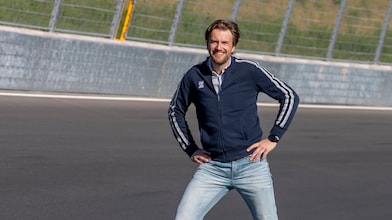
Who is Niek Oude Luttikhuis?
Niek Oude Luttikhuis is the Track Manager at Circuit Zandvoort. He has been on this job since 2005. His mission: keep the race track in a perfect condition. His favourite bend is the Scheivlak. His favourite driver of all times is Jacky Ickx.
Shell Bitumen in the asphalt
The asphalt also contains a product from Shell, used as a binder in this special mix: Shell Bitumen. “Without bitumen, there is no asphalt, and we’d have to fall back on gravel or concrete,” Paul Boelens, Account Manager for Shell Bitumen in the Benelux (Belgium, the Netherlands and Luxembourg), explains.
Shell Bitumen builds on more than 100 years of technological development, and in 2020, this expertise was used to create a custom racetrack formulation for Zandvoort. “This unique bitumen solution is focused on grip and meets the high demands of a Formula 1 circuit,” Boelens says.
Today, the asphalt on the track remains in excellent condition. Apart from daily cleaning, it requires no further maintenance, according to Niek Oude Luttikhuis. On the paddock—the enclosed area reserved for race teams—there is no ‘Flying Dutch’. There, you’ll find regular asphalt like you’d typically see on public roads.
The power of Zandvoort
“Our track profile is challenging, and people love that,” the Track Manager continues. The circuit features 14 corners and spans 4.3 kilometers (2.67 miles). What sets Zandvoort apart from many newer racetracks is its 3D profile with 15 metres (49.2 feet) of elevation change. This makes it an attractive track for drivers. This was recently confirmed by Lewis Hamilton, Ferrari driver and seven-time Formula 1 World Champion. “Circuit Zandvoort is like an old house," he said to Viaplay TV. "The imperfections and elevation changes give it real character, which makes it one of the best circuits for me.”
The location also adds to the racetrack’s appeal, according to the Track Manager. “Most circuits are situated far away from the city. From the Zandvoort racetrack, you can walk to the beach or hop on a train to Haarlem or Amsterdam. People really appreciate that.”
Flags and fans
The audience is also a calling card of the event. “We do everything we can to energize the fans and national pride. From red-white-blue flags (the Dutch national flag colours; edit.) to DJs in the grandstands and a national artist opening with the Wilhelmus (the national hymn of the Netherlands; edit.).” After the Dutch Grand Prix in 2021, Formula 1 mandated all other venues to follow suit: “This is now the benchmark—do it like they do.” The racetrack is run entirely privately, which is quite unique in the world of racing.
Niek Oude Luttikhuis, trackmanager Circuit Zandvoort"Our track profile is challenging, and people love that"
Future
The Dutch Grand Prix has decided to leave the Formula 1 calendar after 2026, but according to the Track Manager, the circuit will definitely not be shut down. “Before Formula 1 came here, the circuit was already in daily use from March to November. And a very exciting new event will take its place.” But the 45-year-old Track Manager isn’t ready to reveal more just yet.
In terms of innovation, the circuit aims to keep accelerating. Currently, they still rely on volunteers to communicate with drivers on the track, but the plan is to automate this in the future using AI systems. These systems will detect when vehicles come to a stop and communicate flag signals via digital screens.
Sustainability
“We’re also improving our sustainably—with solar panels, waste separation, energy monitoring, and various other projects.” Shell Recharge EV chargers can be found in the paddock, and there are plans to build a large charging area with 20 EV chargers. “We’re seeing more and more electric cars participating in track days.”
The asphalt has been designed to accommodate increasingly heavier cars due to larger batteries. An application is currently underway to obtain the highest sustainability label from the international motorsport federation FIA. “We’re good enough for it, so we can easily achieve that.” However, Niek Oude Luttikhuis does not see Formula 1 going fully electric anytime soon. “There’s still far too much emotion in a combustion engine.”
It may seem obvious that a turf manager has grass in his garden. But does an asphalt manager have asphalt at home? “Thankfully not. At home, I still prefer good old-fashioned paving stones.”