Warmtetransitie
Wie denkt dat de energietransitie de enige overgang is naar meer duurzame energie in de toekomst heeft het mis. Wel eens gehoord van de warmtetransitie? Het is het Vensters woord van de koude maand januari.

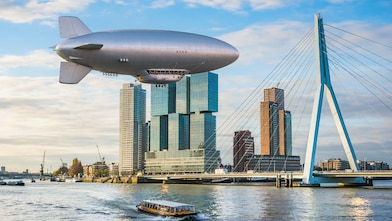
Tekst: Matthijs Timmers. Beeld: AI-gegenereerd met Adobe Firefly.
De warmtetransitie, klinkt interessant. Wat is het verschil met de energietransitie?
De energietransitie gaat over de manier waarop de samenleving overstapt naar schonere vormen van energie, zoals zon en wind. De warmtetransitie is hier een onderdeel van. Deze overgang is gericht op hoe we in de toekomst onze huizen en gebouwen verwarmen. Ook dat moet duurzamer.
Hoe stoken we nu onze gebouwen warm?
Zo’n 40% van onze totale vraag naar energie gaat naar de verwarming van gebouwen. En die huizen en gebouwen worden op dit moment overwegend verwarmd met aardgas. Iets meer dan 11% van alle huizen is compleet aardgasvrij, blijkt uit cijfers van het CBS. En net geen 4% kan gedeeltelijk zonder gas, bijvoorbeeld via een hybride warmtepomp. Die percentages gaan in de toekomst toenemen, want alle nieuwe huizen worden zonder aardgasaansluiting gebouwd.
Dat Nederland vooral met aardgas wordt verwarmd, is overigens het resultaat van een vorige warmtetransitie, toen Nederland in de jaren 60 in korte tijd overstapte van de oliekachels naar een gasaansluiting.
Wat is er nu nodig?
Met de volgende warmtetransitie gaat Nederland over naar meer duurzame manieren om huizen in de winter lekker behaaglijk te stoken. Dat kan bijvoorbeeld met een elektrische warmtepomp. Maar niet alle huizen kunnen elektrisch worden verwarmd. Dat zou voor te veel belasting op het stroomnet zorgen. Ook een aansluiting op een warmtenet is een mogelijkheid. Met de hitte die vrijkomt bij bijvoorbeeld de industrie – die vaak veel warmte ‘over’ heeft – wordt water verwarmd dat via leidingen richting de radiatoren stroomt. Bij huishoudens met stadsverwarming werkt dat op deze wijze. Een andere veelbelovende en duurzame manier om gebouwen te verwarmen is via aardwarmte, ook wel geothermie genoemd.
Aardwarmte? Hoe werkt dat?
Warm water wordt uit honderden en soms zelfs kilometers diepe ondergrond via een buis naar boven gepompt om gebouwen mee te verwarmen. Eenmaal afgekoeld gaat het weer terug de aarde in om daar weer op te warmen. Geothermie is veelbelovend, omdat uit de aarde continu warmte komt, 24 uur per dag. En er komt haast geen CO2 vrij, wat goed is voor het milieu.
Hoe gaat het met de warmtetransitie?
Dat is een ingewikkelde vraag. Vast staat wel dat dit misschien wel het meest weerbarstige en ingewikkelde deel van de energietransitie is. Er zijn specialisten die vinden dat de warmtetransitie stagneert. Het is de ambitie van de overheid om in 2050 2,6 miljoen huishoudens aan te hebben gesloten op een warmtenet. Dat zijn er nu zo’n half miljoen. En er komen maar mondjesmaat nieuwe aansluitingen bij. Niet iedere bewoner zit op een aansluiting op duurzame warmte te wachten, omdat er nog onzekerheid bestaat over de prijs van warmte. En niet iedereen slaapt rustig met de wetenschap dat er onder een woonwijk geboord wordt naar warmte.
Aan de andere kant zijn er hoopgevende signalen in de warmtetransitie. Er is een nieuwe wet aangenomen waarmee warmtenetten sneller kunnen worden aangelegd. En een groot aardwarmteproject in Delft staat op het punt om warmte te gaan leveren aan uiteindelijk 15.000 woningen. Waaronder die van de technische studenten van de TU Delft. Wat zal er gebeuren als die techneuten in de dop straks massaal aan iedereen vertellen hoe behaaglijk ze erbij zitten …
Wat is leveringszekerheid
Zekerheid is een prettig begrip, zeker in onzekere tijden. Naast de verzekeringsbranche en de politiek speelt de term een steeds prominentere rol in de energiesector. Leveringszekerheid was Vensters woord van de maand december.
Heat transition — jargon buster
22 Jan 2026
If you believe the energy transition is the only shift towards more sustainable energy in the future, you are mistaken. Ever heard of the heat transition? It is Vensters’ word of the cold month of January.

Text: Matthijs Timmers, with additional reporting (Germany, Poland) by Marcel Burger.
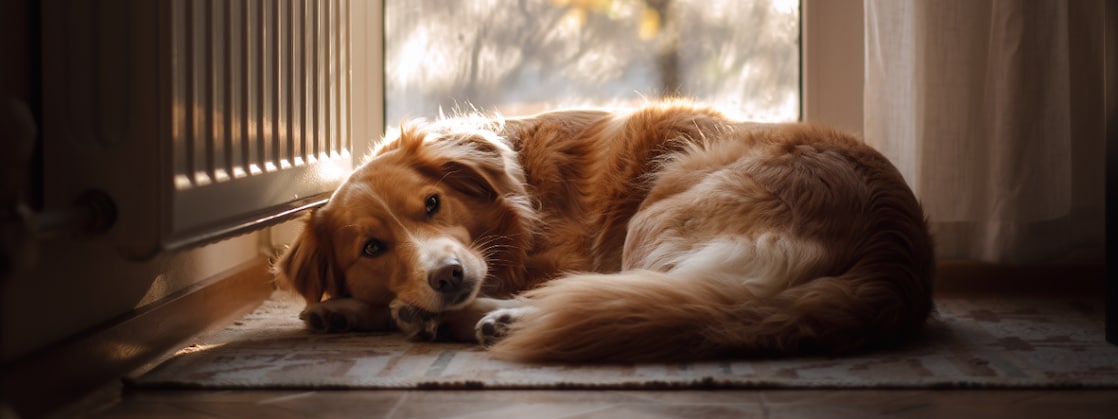
Photography: AI-generated with Adobe Firefly.
Heat transition—sounds interesting. What is the difference from the energy transition?
The energy transition is about the way society switches to cleaner forms of energy, such as solar and wind power. The heat transition is a part of this process. Heat transition focuses on how we will heat our homes and buildings in the future. That, too, must become more sustainable.
How do we currently heat our buildings?
In European countries like the Netherlands, Germany and Poland around 40% of the total energy demand goes to heating buildings. In the Netherlands homes and buildings are currently heated mainly with natural gas. In the Netherlands, just over 11% of all homes are completely gas‑free, according to figures from Statistics Netherlands (CBS). And just under 4% can partly do without gas, for example via a hybrid heat pump. These percentages will increase in the future, as all newly built homes are constructed without a natural‑gas connection. In Germany, about 18% of the heating of homes comes from renewable sources; in Poland this is about 10% while at least 60% comes from coal.
That the Netherlands is heated primarily with natural gas is, incidentally, the result of a previous heat transition, when the country switched in the 1960s from oil stoves to gas connections in a short period of time.
What is needed now?
With the next heat transition, countries will move to more sustainable ways of keeping homes pleasantly warm in winter. This can be done, for example, with an electric heat pump. But not all homes can be heated electrically—that would place too much strain on the electricity grid. A connection to a district heating network is another option. Heat released by industry—where there is often a surplus—is used to warm water, which then flows through pipes to radiators. Households with district heating already use this system. Another promising and sustainable method of heating buildings is geothermal energy.
Geothermal energy? How does that work?
Warm water is pumped up through a pipe from hundreds of metres, or even several kilometres, underground to heat buildings. Once cooled, the water is pumped back via another pipe down to the depths below to warm up again. Geothermal energy is promising because the earth continuously produces heat, 24 hours a day. And almost no CO₂ is emitted, which is good for the environment.
How is the heat transition progressing?
That is a complicated question. What is clear is that this may well be the most stubborn and complex part of the energy transition. Some specialists believe the heat transition is stagnating. E.g. the Dutch government aims to have 2.6 million households connected to a district heating network by 2050. At the moment, the number is about half a million, with only a limited number of new connections being added. Not every resident is eager to be connected to sustainable heat, partly because there is still uncertainty about the price. And not everyone sleeps soundly knowing that drilling for heat may take place in the grounds on which their neighbourhood has been built.
On the other hand, there are also encouraging signs in the heat transition. In Germany the new Building Energy Act (Gebäudeenergiegesetz, GEG) came into force in 2024, which states that all new heating systems must run on at least 65% renewable energy, including heating pumps or district heating connections. In Poland there are some subsidy programmes available for heat pumps in homes, although the main one was paused due to fraud concerns.
In the Netherlands a new law has been passed allowing district heating networks to be built more quickly. And a large geothermal project in the city of Delft is about to begin supplying heat to a total of 15,000 homes—including those of the engineering students at Delft University of Technology. Just imagine what will happen when those tech experts start telling everyone how comfortably warm they are …