Nieuwe kijk op energieinkoop bedrijfsleven: strategisch partnerschap
Je bedrijf vergroenen en tegelijkertijd die verduurzaming betaalbaar houden, kan een uitdaging zijn. De energiekosten in Nederland zijn hoog in vergelijking met internationale standaarden. De schaarste aan emissierechten in de komende jaren is bedoeld als een klimaatpolitiek sturingsinstrument, maar voor bedrijven vormt dit een bedrijfseconomische belasting. Een strategische energiepartner als Shell kan uitkomst bieden om de last in het halen van klimaatdoelen voor bedrijven te verlichten. Bert Coelingh, country manager voor B2B-energie bij Shell Nederland, legt uit waarom.

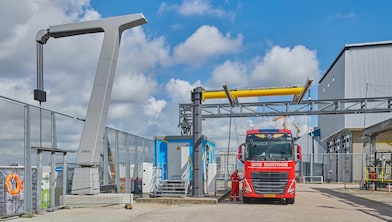
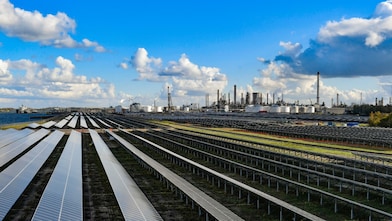
Tekst: Redactie Shell Venster. Beeld: AI-gegenereerd beeld met Adobe Firefly.
Eerst even het probleem. Er zijn nogal wat vraagtekens vanuit de markt bij de beleidskaders in de nabije toekomst. Regels van de Europese Unie zijn daarbij sturend. Zo is er de Clean Industrial Deal (CID), dat een doorontwikkeling is van het wellicht bekendere "Fit for 55"-klimaatpakket.
Doel van de CID is de EU-oproep aan de industrie om te verduurzamen – ook wel decarboniseren genoemd – aan te passen aan de huidige economische omstandigheden en technologische stand van zaken. De CID kan ervoor zorgen dat regelgeving wordt vereenvoudigd, ook om investeringen in schone technologieën te vergemakkelijken.
Energie-inkoop verder dan de korte termijn
Om de concurrentiepositie van de Europese industrie te versterken en de verduurzaming te stimuleren, zijn verschillende maatregelen voorgesteld. Denk aan verlaging van de energiekosten of andere manieren om investeringen in schonere technologieën te bevorderen. Maar aangezien de details van het CID nog niet volledig duidelijk zijn, schept dat onzekerheid.
“En dat terwijl veel Nederlandse bedrijven zich genoodzaakt zien te decarboniseren onder al moeilijk te voorspellen marktomstandigheden”, zegt Bert Coelingh, “bedrijven moeten hun energie-inkoop afstemmen met oog op een nieuwe, nog onzekere situatie.
Energiegebruik als strategische troef voor groei
Wie energie alleen als een kostenpost op de balans ziet, mist het ware potentieel ervan,” stelt Coelingh. “Namelijk, energie-inkoop zien als een strategische troef die groei, veerkracht en concurrentievoordeel kan stimuleren. Een partnerschap met een energieleverancier die meegaat in de transformatie van je bedrijf, kan een nieuwe impuls geven aan de speelruimte die je als ondernemer ervaart.”
Shell Energy, de Shell-tak die gas en elektriciteit verkoopt aan grote en middelgrote Nederlandse industrieën/afnemers, kan zo’n partner zijn. “We hebben lange ervaring op de nationale, Europese en internationale energiemarkten, daarnaast profiteer je als klant van Shell van een solide en financieel stabiele leverancier,” aldus Coelingh. “Bij Shell begrijpen we voor welke uitdagingen het bedrijfsleven staat als het gaat om de energietransitie. We moeten ze zelf ook het hoofd bieden, onder meer op onze enerige- en chemieparken in Moerdijk en Pernis waar we met slimme oplossingen onze verduurzaming op schaal hebben ingezet.”
Over Shell Energy Nederland
Shell Energy Nederland levert aardgas, elektriciteit en emissiecertificaten. En natuurlijk gedegen advies in een steeds complexer wordende energiemarkt. Als partner in de energietransitie vind je samen met ons de juiste energieoplossingen die passen bij je bedrijf.

Flexibele inkoopmodellen voor leveringszekerheid
Bij de overschakeling op hernieuwbare energiebronnen klagen veel bedrijven over een hoge administratieve inspanning, en vertragingen in het verkrijgen van de juiste aansluiting door onvoldoende capaciteit op het elektriciteitsnet, erkent Coelingh. “Dit kan investeringen belemmeren en de energietransitie bemoeilijken. Flexibele inkoopmodellen die zijn afgestemd op de specifieke eisen van zakelijke klanten worden steeds belangrijker. Dit zorgt niet alleen voor de gewenste leveringszekerheid, maar stelt bedrijven ook in staat hun inkoopstrategieën individueel aan te passen aan hun doelstellingen en de geldende marktsituatie.”
Uit regelmatige marktonderzoeken, onder meer van McKinsey*, blijkt dat veel bedrijven meer willen dan een standaardcontract. Modulaire inkoop van energie – zoals de combinatie van garanties van oorsprong, stroomafnameovereenkomsten (PPA’s) en traditionele leveringscontracten – zorgen voor meer flexibiliteit en stabielere leveringskosten.
Stabiele toeleveringsketens
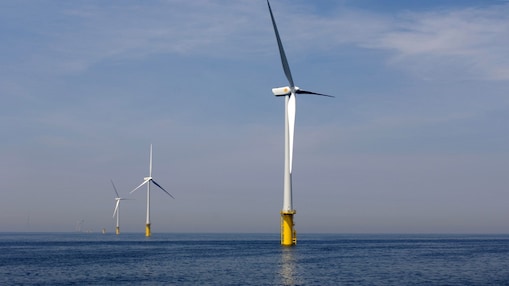
Shell Energy biedt zulke keuzeopties. Bert Coelingh: "Dankzij onze wereldwijd opererende handelsorganisatie kan Shell snel reageren op marktveranderingen en oplossingen op maat bieden, zowel voor gas als elektriciteit. Gas, al dan niet aangevoerd in vloeibare vorm (LNG), is nog altijd essentieel voor de Nederlandse economie. Shell is wereldleider op het gebied van LNG en ondersteunt zo stabiele toeleveringsketens, ook naar Europa. Het uitgebreide Shell-netwerk maakt ook gevarieerde opties in elektricteitsleveranties via PPA’s aan bedrijven mogelijk, met desgewenst elektriciteit van Europese wind- en zonneparken.
Energie niet zien als last, maar met de juiste keuze als katalysator voor een duurzame toekomst. Door te kiezen voor een samenwerking met een vertrouwde partner kunnen bedrijven zo de kracht en expertise van energieleveranciers optimaal benutten. Bert Coelingh: "Wie in een vroeg stadium flexibele, veerkrachtige en technologie gedreven modellen omarmt, positioneert zich concurrerend in een veranderende omgeving."
Bert Coelingh, country manager voor B2B-energie bij Shell Nederland"Bedrijven in staat stellen hun inkoopstrategieën individueel aan te passen"
Cautionary note
Cautionary note
The companies in which Shell plc directly and indirectly owns investments are separate legal entities. In this announcement “Shell”, “Shell Group” and “Group” are sometimes used for convenience where references are made to Shell plc and its subsidiaries in general. Likewise, the words “we”, “us” and “our” are also used to refer to Shell plc and its subsidiaries in general or to those who work for them. These terms are also used where no useful purpose is served by identifying the particular entity or entities. ‘‘Subsidiaries’’, “Shell subsidiaries” and “Shell companies” as used in this announcement refer to entities over which Shell plc either directly or indirectly has control. The term “joint venture”, “joint operations”, “joint arrangements”, and “associates” may also be used to refer to a commercial arrangement in which Shell has a direct or indirect ownership interest with one or more parties. The term “Shell interest” is used for convenience to indicate the direct and/or indirect ownership interest held by Shell in an entity or unincorporated joint arrangement, after exclusion of all third-party interest.
Forward-looking Statements
This announcement contains forward-looking statements (within the meaning of the U.S. Private Securities Litigation Reform Act of 1995) concerning the financial condition, results of operations and businesses of Shell. All statements other than statements of historical fact are, or may be deemed to be, forward-looking statements. Forward-looking statements are statements of future expectations that are based on management’s current expectations and assumptions and involve known and unknown risks and uncertainties that could cause actual results, performance or events to differ materially from those expressed or implied in these statements. Forward-looking statements include, among other things, statements concerning the potential exposure of Shell to market risks and statements expressing management’s expectations, beliefs, estimates, forecasts, projections and assumptions. These forward-looking statements are identified by their use of terms and phrases such as “aim”; “ambition”; ‘‘anticipate’’; ‘‘believe’’; “commit”; “commitment”; ‘‘could’’; ‘‘estimate’’; ‘‘expect’’; ‘‘goals’’; ‘‘intend’’; ‘‘may’’; “milestones”; ‘‘objectives’’; ‘‘outlook’’; ‘‘plan’’; ‘‘probably’’; ‘‘project’’; ‘‘risks’’; “schedule”; ‘‘seek’’; ‘‘should’’; ‘‘target’’; ‘‘will’’; “would” and similar terms and phrases. There are a number of factors that could affect the future operations of Shell and could cause those results to differ materially from those expressed in the forward-looking statements included in this announcement, including (without limitation): (a) price fluctuations in crude oil and natural gas; (b) changes in demand for Shell’s products; (c) currency fluctuations; (d) drilling and production results; (e) reserves estimates; (f) loss of market share and industry competition; (g) environmental and physical risks; (h) risks associated with the identification of suitable potential acquisition properties and targets, and successful negotiation and completion of such transactions; (i) the risk of doing business in developing countries and countries subject to international sanctions; (j) legislative, judicial, fiscal and regulatory developments including regulatory measures addressing climate change; (k) economic and financial market conditions in various countries and regions; (l) political risks, including the risks of expropriation and renegotiation of the terms of contracts with governmental entities, delays or advancements in the approval of projects and delays in the reimbursement for shared costs; (m) risks associated with the impact of pandemics, such as the COVID-19 (coronavirus) outbreak, regional conflicts, such as the Russia-Ukraine war, and a significant cybersecurity breach; and (n) changes in trading conditions. No assurance is provided that future dividend payments will match or exceed previous dividend payments. All forward-looking statements contained in this announcement are expressly qualified in their entirety by the cautionary statements contained or referred to in this section. Readers should not place undue reliance on forward-looking statements. Additional risk factors that may affect future results are contained in Shell plc’s Form 20-F for the year ended December 31, 2024 (available at www.shell.com/investors/news-and-filings/sec-filings.html and www.sec.gov). These risk factors also expressly qualify all forward-looking statements contained in this announcement and should be considered by the reader. Each forward-looking statement speaks only as of the date of this announcement, August 1, 2024. Neither Shell plc nor any of its subsidiaries undertake any obligation to publicly update or revise any forward-looking statement as a result of new information, future events or other information. In light of these risks, results could differ materially from those stated, implied or inferred from the forward-looking statements contained in this announcement.
Shell’s Net Carbon Intensity
Also, in this announcement we may refer to Shell’s “Net Carbon Intensity” (NCI), which includes Shell’s carbon emissions from the production of our energy products, our suppliers’ carbon emissions in supplying energy for that production and our customers’ carbon emissions associated with their use of the energy products we sell. Shell’s NCI also includes the emissions associated with the production and use of energy products produced by others which Shell purchases for resale. Shell only controls its own emissions. The use of the terms Shell’s “Net Carbon Intensity” or NCI are for convenience only and not intended to suggest these emissions are those of Shell plc or its subsidiaries.
Shell’s net-zero emissions target
Shell’s operating plan, outlook and budgets are forecasted for a ten-year period and are updated every year. They reflect the current economic environment and what we can reasonably expect to see over the next ten years. Accordingly, they reflect our Scope 1, Scope 2 and NCI targets over the next ten years. However, Shell’s operating plans cannot reflect our 2050 net-zero emissions target, as this target is currently outside our planning period. In the future, as society moves towards net-zero emissions, we expect Shell’s operating plans to reflect this movement. However, if society is not net zero in 2050, as of today, there would be significant risk that Shell may not meet this target.
Forward-looking non-GAAP measures
This announcement may contain certain forward-looking non-GAAP measures such as cash capital expenditure and divestments. We are unable to provide a reconciliation of these forward-looking non-GAAP measures to the most comparable GAAP financial measures because certain information needed to reconcile those non-GAAP measures to the most comparable GAAP financial measures is dependent on future events some of which are outside the control of Shell, such as oil and gas prices, interest rates and exchange rates. Moreover, estimating such GAAP measures with the required precision necessary to provide a meaningful reconciliation is extremely difficult and could not be accomplished without unreasonable effort. Non-GAAP measures in respect of future periods which cannot be reconciled to the most comparable GAAP financial measure are calculated in a manner which is consistent with the accounting policies applied in Shell plc’s consolidated financial statements.
The contents of websites referred to in this announcement do not form part of this announcement.
We may have used certain terms, such as resources, in this announcement that the United States Securities and Exchange Commission (SEC) strictly prohibits us from including in our filings with the SEC. Investors are urged to consider closely the disclosure in our Form 20-F, File No 1-32575, available on the SEC website www.sec.gov