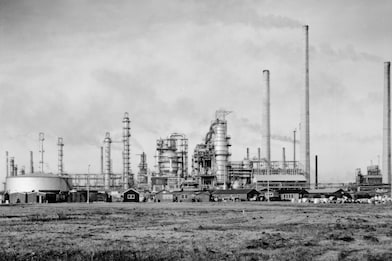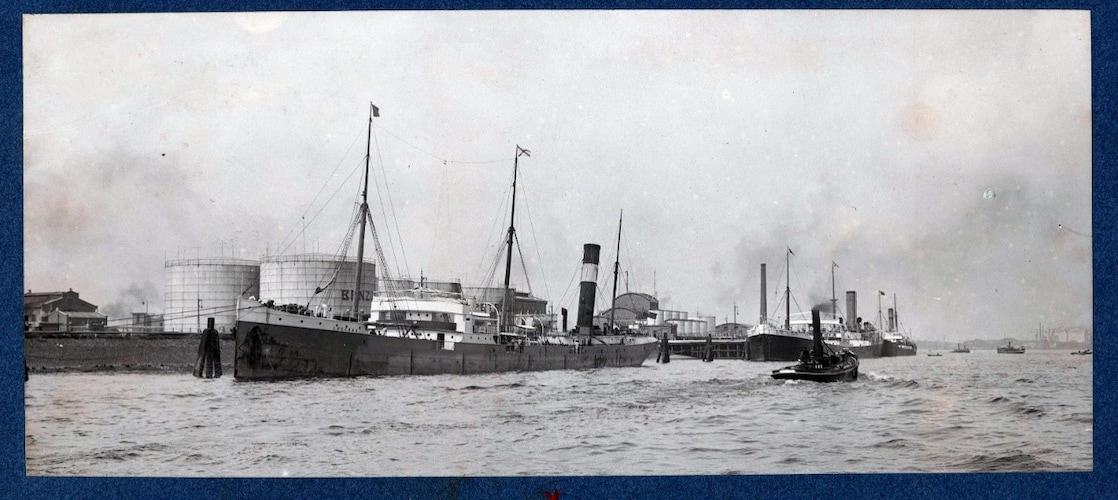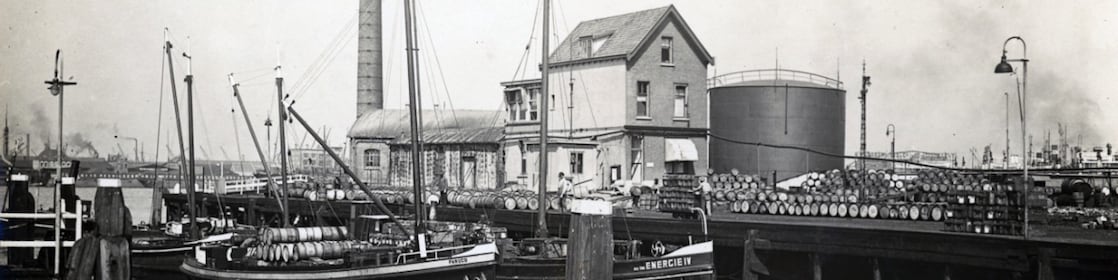
1901: the earliest beginnings of Shell Pernis
Starting a refinery takes a sound business plan. But it also takes a sizeable piece of land. On 30 October 1901, the Rotterdam City Council debated the first step of what eventually become Shell Pernis.

Text: Rosalie van Egmond. Images: Shell Historical Heritage and Archive (main image), Rotterdam City Archives/Wouter Cool.
The Algemeen Handelsblad newspaper reported on the debate that day. Councillors were considering a proposal to lease a piece of municipal land at Kortenoordsche Haven to the Koninklijke Nederlandsche Maatschappij tot Exploitatie van Petroleumbronnen in Nederlandsch-Indië, the company that would later become part of Shell.
The company was looking for land to store petroleum and, potentially, to build a refinery. Rotterdam’s political leaders could see the opportunity. As the Algemeen Handelsblad put it, there was broad agreement that it was desirable to attract “such and other industries to Rotterdam”.
Quays, dredging and roads: a sizeable investment
But the proposal was by no means a foregone conclusion. Councillor Van Dorp questioned whether the potential benefits justified the investment required from the city.
Detailed council documents referred to extensive quay construction, dredging, new roads and other improvements to the harbour. The estimated cost was 140,000 guilders, a considerable sum in 1901. In today’s money, that would be around €2.3 million, based on figures from Statistics Netherlands (CBS).
Rotterdam on its way to becoming a global port
What makes the debate so interesting is that it captures Rotterdam at a moment of change. The city was making a deliberate investment in the infrastructure needed to attract the petroleum industry, weighing the immediate costs and risks against the opportunities it could bring in the longer term.
What began as a municipal decision about land, infrastructure and money would ultimately help establish Rotterdam as one of the world’s leading energy ports, with the site that later became Shell Pernis playing a prominent role.