
“Wij vertalen warmtegebruik naar euro’s. Wekelijks, niet alleen op de eindafrekening”
Toen Arnon Kadouch samen met zijn gezin een appartement met blokverwarming betrok, en inzicht wilde in zijn warmtegebruik, stokte de informatievoorziening. “We betaalden maandelijks een voorschot en bij de jaarlijkse eindafrekening was het een verrassing wat we moesten bijbetalen.” Het vormde de oorsprong van de onderneming die hij samen met compagnons Noam Blitz en Ilya Pimenov oprichtte: homii. Het jonge bedrijf, gespeld met een kleine letter h aan het begin, biedt online inzicht in het warmteverbruik van woningen met een collectieve warmtebron.

Tekst: Matthijs Timmers. Beeld: Christian Kalse.
For English, click here or scroll down
De drie Amsterdamse ondernemers schetsen beknopt de wijze waarop het warmteverbruik in appartementen met blokverwarming vandaag de dag wordt bepaald. Er hangen metertjes aan iedere radiator van een woning, zogenoemde warmtekostenverdelers. Deze meters benaderen per radiator het warmteverbruik.
Het warmtegebruik van iedere radiator in een woning wordt bij elkaar opgeteld. En vervolgens afgezet tegen het warmteverbruik van het gehele appartementencomplex dat gebruikmaakt van de collectieve warmtebron. Daarna worden de kosten voor de warmte verdeeld over de woningen, naar rato van het gebruik per woning. Huishoudens betalen maandelijks een voorschot, en jaarlijks een eindafrekening. Tot die tijd is het warmtegebruik een zwarte doos.
Tussentijds inzicht ontbreekt
“Het systeem van warmtekosten verdelen bestaat al sinds de jaren 60, toen blokverwarming in naoorlogse appartementencomplexen opkwam”, legt Arnon uit. “Het is een sector die we nauwelijks kennen, met slechts een aantal aanbieders van dit soort metertjes. Wat ontbreekt voor de bewoner is tussentijds inzicht in het verbruik.” Dat wilde Arnon maar al te graag voor zijn appartement. Aangezien huurders voor dit soort dingen afhankelijk zijn van woningbouwcorporaties werden die uiteindelijk het juiste aanspreekpunt om via die corporaties huurders te helpen.
Transcriptie
Transcriptie
00:01 Deze nieuwe app voorkomt hoge energiekosten.
00:03 Noam Blitz is één van de bedenkers.
00:06 “Ik huurde een appartement met blokverwarming…”
00:08 “… en pas bij mijn jaarafrekening zak ik dat mijn energieverbruik…”
00:10 “… en mijn kosten en dat wil je liever niet.”
00:12 Dan kun je als bewoner vervelend verrast worden.
00:15 Daarom ontwikkelde Noam de homii-app.
00:17 Zo krijgen bewoners wekelijks inzicht in hun verbruik.
00:22 Woningcorporaties krijgen een duidelijk overzicht...
00:26 ...om huurders op tijd te informeren over hoge kosten.
00:29 Inmiddels gebruik al 10 woningcorporaties en hun huurders homii...
00:34 ...én verbruiken zij 10% minder energie!
00:37 In 2024 kreeg homii een bijdrage van het Shell Impact Fund.
00:40 “Nu krijgen we de kans om uit te breiden…”
00:42 “… en nog meer mensen te helpen!”
00:44 Zorgt jouw onderneming ook dat iedereen kan verduurzamen?
00:47 Vraag een bijdrage aan: shell.nl/impactfund
Noam, Ilya en Arnon
Voor Arnon lonkte het ondernemerschap.Hij ging te rade bij Noam Blitz, een jonge ondernemer met een achtergrond in datawetenschap. Noam vertelt: “Ik maakte verschillende berekeningen en concludeerde dat het mogelijk is deze data beter inzichtelijk te maken en de kosten te voorspellen. Er liggen kansen.”
Al gauw realiseerden Arnon en Noam zich dat hier geavanceerde software voor ontwikkeld moest worden. Ze gingen op zoek naar een derde medeoprichter. Ilya Pimenov sloot zich aan, met bijna 20 jaar ervaring als programmeur in de software-industrie, bij zowel grote bedrijven als bij start-ups. Zo ontstond homii.
Over het Shell Impact Fund
Het Shell Impact Fund ondersteunt sociale ondernemers die zich inzetten voor een rechtvaardige en inclusieve energietransitie. Shell gelooft dat iedereen toegang moet hebben tot schonere energie en duurzame vormen van mobiliteit, niet alleen degenen die het zich kunnen veroorloven. Het fonds is in 2024 gelanceerd en heeft sinds september 2024 acht bedrijven in het fondsportfolio.

Homii uitgelegd
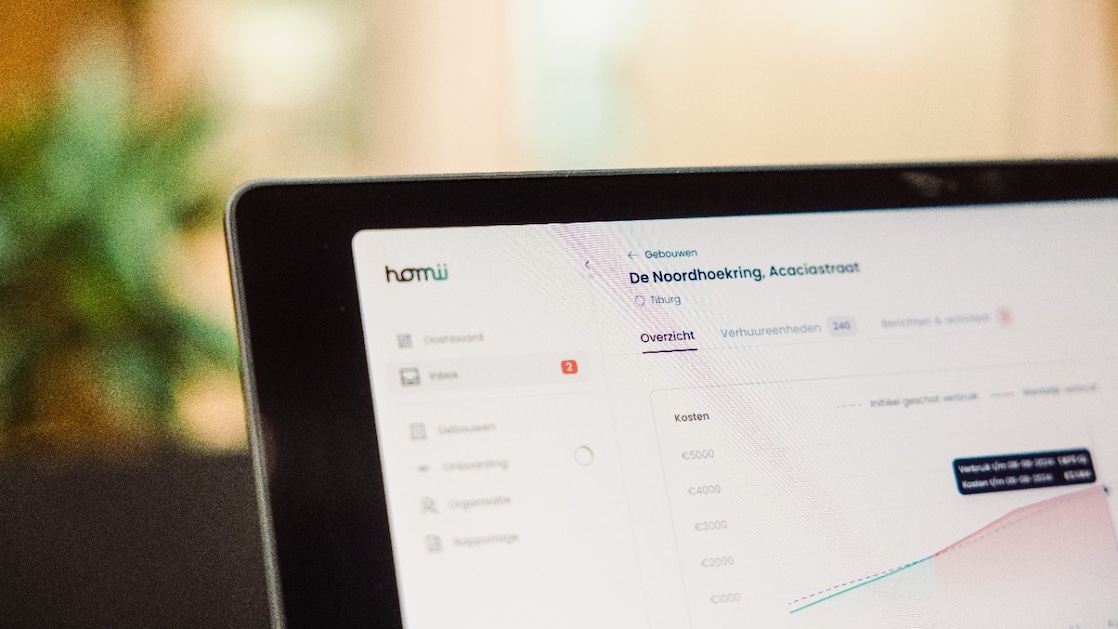
“We hebben een online hulpmiddel ontwikkeld dat het warmteverbruik periodiek inzichtelijk maakt voor woningen met een collectieve warmtebron”, legt Ilya uit. Homii is er voor particulieren, die via een overzichtelijke app kunnen aflezen hoe het ervoor staat met hun warmteverbruik. Maar de kern van homii vormt het dashboard voor woningcorporaties en Verenigingen van Eigenaren.
“Zij zien zo in een oogopslag welke huurders of eigenaren in de pas lopen qua warmteverbruik, en welke er, als ze zo doorstoken, flink moeten bijbetalen”, zegt Ilya. Arnon vult hem aan: “Deze informatie is zeer waardevol. Corporaties kunnen zo hun huurders vroegtijdig informeren als hun warmtegebruik te hoog dreigt te worden. Zodat wordt voorkomen dat huurders onnodig in de problemen komen als ze geconfronteerd worden met een hoge eindafrekening. Met homii vertalen we warmtegebruik naar euro’s. En dat wekelijks, in plaats van een keer jaar. Dát is onze meerwaarde.”
Iedere dag opnieuw
Wanneer de drie ondernemers bevlogen vertellen over de ontstaansgeschiedenis van homii, klinkt het haast als een romantisch ondernemersverhaal, geven ze toe. Maar dat is het niet. Niet altijd tenminste, weet Arnon: “De keuze om met elkaar in zee te gaan, maakten we tot een half jaar geleden nog bijna iedere dag. Een bedrijf starten is spannend. Het loopt niet altijd zoals je wilt. Dat hoort bij ondernemen. Ik ben optimistisch ingesteld, zie overal kansen, maar hoopvolle gesprekken met potentiële klanten moeten wél worden verzilverd.”
Samenwerking met corporaties en dataleveranciers
Cruciaal voor het welslagen van hun zakelijke idee was de samenwerking met de leveranciers van de warmtekostenverdelers. De data van deze bedrijven vormden namelijk de basis van hun software. Noam: “Gelukkig konden we al snel de eerste samenwerkingsovereenkomsten tekenen met deze partijen. Dat gaf ons een goede start.” Vervolgens sloten verschillende woningcorporaties de eerste contracten met homii, ook een onmisbare schakel voor hun onderneming. Sindsdien kan homii rekenen op genoeg interesse van woningcorporaties.
De wind in de rug
Natuurlijk zijn de ondernemers trots op deze eerste successen. Ze werken er hard voor; ze hebben een uitgedacht businessplan, effectieve marketing en een goede bedrijfsstrategie. Maar, geeft Arnon eerlijk toe: “We hebben ook mazzel gehad. We gingen de markt op net voordat de energiecrisis begon. Energiegebruik werd voor veel mensen ineens een onderwerp. Dat gaf ons de wind in de rug. Het was een stimulator voor onze propositie.”
Corporaties hebben baat bij inzicht
Niet alleen voor particulieren werd warmtegebruik een thema, ook woningcorporaties kregen meer en meer behoefte aan tussentijds inzicht in het warmteverbruik van hun huurders, die woonden in appartementen met blokverwarming.
Arnon legt uit: “Zeker toen de energieprijzen zo sterk stegen, werd het voor sommige huurders een schrijnend verhaal. Huurders, vaak met een kleine beurs, werden geconfronteerd met een hoge eindafrekeningen. Dat leidde tot vervelende situaties voor woningcorporaties, verantwoordelijk voor het versturen van die eindafrekening. Een verlies-verliessituatie dus. Hoe eerder corporaties hun huurders kunnen informeren, hoe beter.”
Arnon Kadouch, mede-oprichter homii"We gingen de markt op net voordat de energiecrisis begon. Energiegebruik werd voor veel mensen ineens een onderwerp."
Ondersteuning van het Shell Impact Fund
Inmiddels heeft homii een aantal grote woningcorporaties aan zich weten te binden. Aan de onderneming is een innovatielening verstrekt. Ook kreeg homii financiële ondersteuning van het Shell Impact Fund.
“We gingen op gesprek bij Shell in Den Haag en dat klikte goed”, weet Noam nog. “Shell begreep welke impact we willen maken, en zag dat ook voor zich. In Nederland zijn er zo’n 700 tot 900 duizend woningen met blokverwarming, dus de marktpotentie is groot.” Ook bij de overstap naar duurzame warmte via warmtenetten blijft de vraag naar inzicht voor bewoners van de appartementen, zo is de verwachting. Verder liggen er in Europa ook nog tal van uitdagingen.
Vertrouwen om door te bouwen
De financiële steun en hoe de dienstverlening is ontvangen, zorgden voor rustiger vaarwater voor homii. “Het gaf ons het vertrouwen om door te bouwen en uit te breiden”, zegt Arnon. Het team van homii is sinds die tijd flink gegroeid. En bovendien: “We hoefden ons bedrijf niet meer met eigen middelen te financieren.”
Huishoudens helpen
Hoewel nooit klaar met het ontwikkelen van nieuwe ideeën, zijn de compagnons tevreden met het dashboard zoals homii dat nu aanbiedt. “Corporaties geven aan blij te zijn met het inzicht dat ze krijgen”, vertelt Ilya. “Ze kunnen veel eerder inspringen bij hun huurders als het warmtegebruik de bocht uit dreigt te vliegen.”
Ook bij huurders die de app van homii gebruiken, zien de ondernemers al een verschil. “Zij consumeren zo’n 10% minder energie”, aldus Arnon over hun onlangs uitgevoerde onderzoek. Hij besluit: “Dat we hiermee een steentje bijdragen om huishoudens te helpen, én het milieu, voelt erg goed.”



"We translate heat use into euros. Weekly, not just on the annual bill"
15 Oct. 2024
When Arnon Kadouch and his family moved into an apartment with block heating, getting information on the amount of heat he was using proved hard to find. "We paid per month, but the annual bill was a surprise. We had to pay more.” This was the start of homii, entirely spelled in lowercase, the company Arnon founded with partners Noam Blitz and Ilya Pimenov. Amsterdam-based homii offers online insight into the heat usage of homes with a collective heat source.

Text: Matthijs Timmers. Photography: Christian Kalse.
The three entrepreneurs briefly outline the way in which heat consumption in apartments with block heating is determined today: every radiator in each apartment has its own meter, or heat cost allocator. Together these meters measure the approximate heat consumption per radiator. By simply adding the heat consumption of all the radiators in one home, the apartment’s heat consumption is calculated. It is then compared to the heat consumption of the entire apartment complex that uses the same collective heat source. After that, the costs for the heat are divided among the homes, in proportion to the use per home. Households pay a monthly advance, and an annual bill. What this end bill will be, is often a sort of mystery.
Clear insight is missing
"The system of distributing heat costs has been around since the 1960s, when block heating emerged in post-war apartment buildings," explains Arnon. "It is a sector that we hardly know, with only a few providers of these types of meters. What is missing for the tenants is clear insight into their consumption."
Arnon was only too happy to do that for his apartment. Since tenants depend on housing corporations for their heating set-up, those corporation became the right point of contact to help the tenants gain insight.
Noam, Ilya and Arnon
For Arnon, entrepreneurship beckoned. He consulted Noam Blitz, a young entrepreneur with a background in data science. Noam says: "I made several calculations and concluded that there are opportunities to make heating data more transparent and to predict the costs."
Arnon and Noam soon realized they needed to develop advanced software to make this work. They started looking for a third co-founder. Ilya Pimenov joined, with almost 20 years of experience as a programmer in the software industry. Ilya earned his merits both with large companies as well as start-ups. With the three joining forces, homii was born.
About the Shell Impact Fund
The Shell Impact Fund supports social ventures who are committed to a just and inclusive energy transition. Shell believes that everyone should have access to cleaner energy and sustainable forms of mobility, not just those who can afford it. The fund was launched in 2024 and has - as of September this year - eight companies in its portfolio.

Homii explained
Homii is for private individuals. They can use a mobile app see how much heat they are using. But the core of homii is the dashboard for housing corporations and owners' associations. "We have developed an online tool that provides periodic insight into heat consumption for homes with a collective heat source," explains Ilya. "The corporations and associations see at a glance which tenants or owners are in line with the projected annual heat consumption, and which ones would have to pay a lot more if they continue to use the same amount of heating.”
Arnon adds: "This data is very valuable. It allows corporations to inform their tenants at an early stage if their heat consumption is at risk of becoming too high. This prevents tenants from getting into unnecessary trouble when they are confronted with a high annual bill. With homii, we translate heat use into euros. And we do that weekly, instead of once a year. That is our added value."
Every day anew
The three entrepreneurs are passionate about their company’s story, they admit it almost sounds like an entrepreneurial romance. But it is not. Not always, at least, Arnon says: "Six months ago, we made the choice to work together almost every day. Starting a business is exciting. It doesn't always go the way you want. That's part of doing business. I am optimistic, see opportunities everywhere, but hopeful conversations with potential customers must be turned into real business."
Collaboration with corporations and data suppliers
Crucial to the success of their business idea was the cooperation with the suppliers of the heat cost allocators. The data from these companies formed the basis of their software. Noam: "Fortunately, we were able to quickly sign the first cooperation agreements with these parties. That gave us a good start." Subsequently, various housing corporations signed the first contracts with homii, which became an indispensable link also for their contact with the tenants. Since then, homii has been able to count on plenty of interest from housing associations.
Tailwind
Of course, the entrepreneurs are proud of these first successes. They say they work hard for it, that they have a well-thought-through business plan, effective marketing, and a good business strategy. However, Arnon honestly admits: "We were also lucky. We entered the market just before the energy crisis started. Energy consumption suddenly became a topic for many people. That gave us tailwind. It was a stimulator for our proposition."
Heat use became an issue not only for private individuals, housing associations also had an increasing need for interim insight into the heat consumption of their tenants, who lived in apartments with block heating.
Arnon explains: "Especially when energy prices rose so sharply, it became a harrowing story for some tenants. Tenants, often with a small budget, were confronted with high end-of-year bills. This led to unpleasant situations for housing corporations, responsible for sending that final note. The sooner corporations can inform their tenants, the better."
Supported by the Shell Impact Fund
Homii has managed to attract a number of large housing corporations, and it received an innovation loan. Apart from that, the Shell Impact Fund gives financial support.
"We went for an interview at the Shell Campus in The Hague and we connected very well," Noam remembers. "Shell understood the impact we want to make, and envisioned it. In the Netherlands, there are about 700,000 to 900,000 homes with block heating, so there is a great market." Even with the switch to sustainable heat via heat networks, residents are expected to demand having insight. This does not only apply to the Netherlands – there are also many challenges in the rest of Europe..
Confidence to continue building
“Getting the backing from others gave homii the confidence to continue to build and expand,” says Arnon. The homii team has grown considerably since then. And besides: "We no longer had to finance our company with our own resources."
Helping households
The partners keep developing new ideas, but they are satisfied with the dashboard that homii currently offers. "Corporations indicate that they’re happy with the insights they’re getting," says Ilya. "They can act if their tenants’ heat use is about to go out of control.”
The entrepreneurs also see a difference with tenants that use the homii mobile app. "They consume about 10% less energy," says Arnon. He concludes: "The fact that we are doing our bit to help households, and the environment, feels very good.”
Arnon Kadouch, Co-Founder homii"We entered the market just before the energy crisis started. Energy consumption suddenly became a topic for many people."