Woord van de maand maart: Brent
Sinds de Israëlisch-Amerikaanse luchtaanvallen op Iran zo’n maand geleden begonnen, is de olieprijs flink gestegen. Maar dé olieprijs? Die bestaat niet. Er zijn namelijk meerdere soorten olie, bijvoorbeeld Brent. Brent is daarmee het woord van de maand maart.

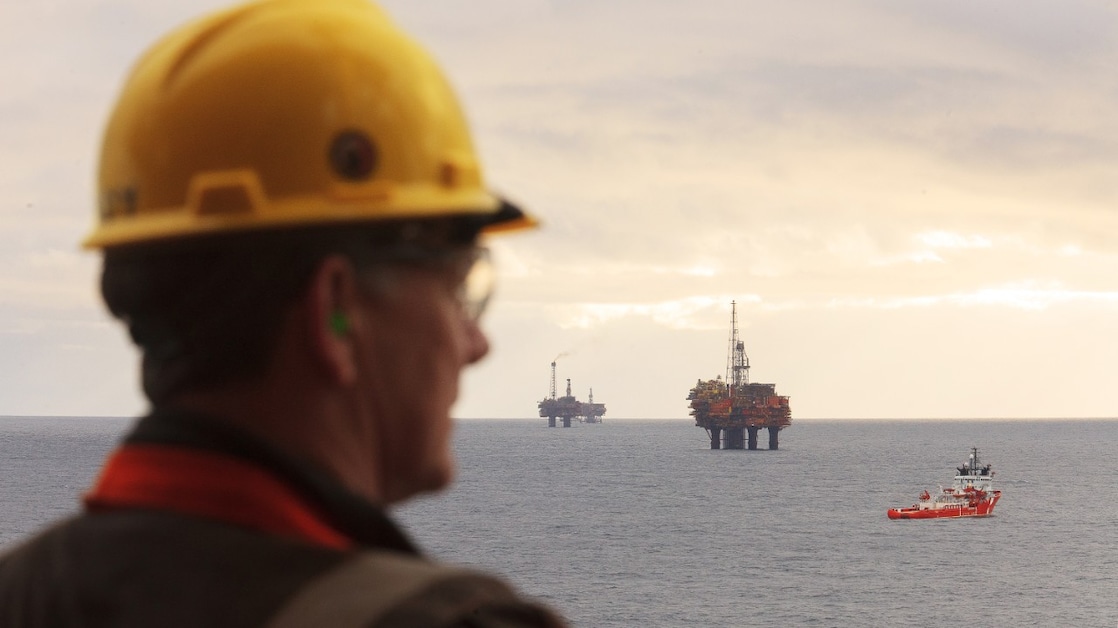
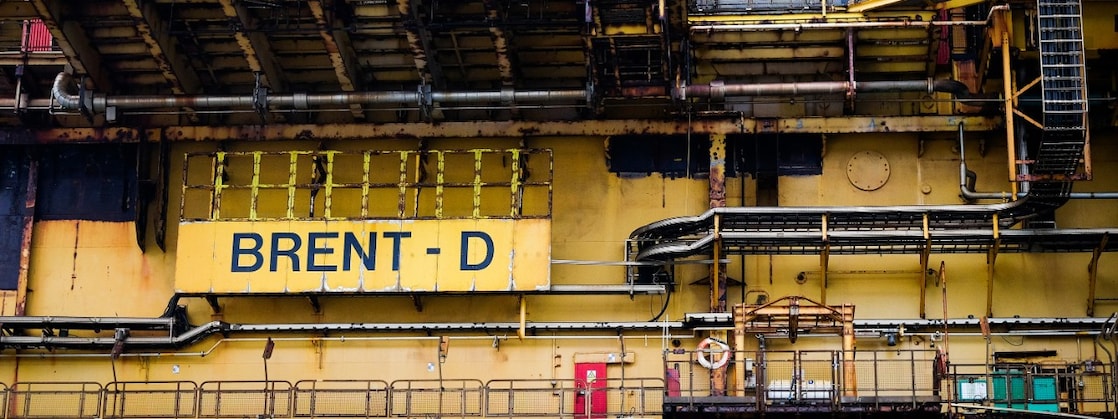
Tekst: Matthijs Timmers. Beeld: Ian Forsyth (close-up), Stuart Conway (zeezicht).
Meerdere soorten olie, hoe zit dit?
De ene olie is de andere niet. Wereldwijd zijn er verschillende soorten. Een aantal soorten dient als referentieprijs voor de internationale oliehandel. De grootste zogenoemde oliebenchmarks in de wereld zijn: de West Texas Intermediate (WTI) en kent haar oorsprong in Amerika, Oklahoma. Dan is er het Opec-mandje, een verzameling van oliesoorten uit de verschillende landen die zijn aangesloten bij de Organization of the Petroleum Exporting Countries. Met uit Saudi-Arabië de Arab Light, uit Irak de Basrah Medium en uit Nigeria de Bonny Light. De derde oliesoort is de Dubai Crude, uit het Perzische Golfregio. En tot slot dus de Brent.
Waar komt Brent vandaan?
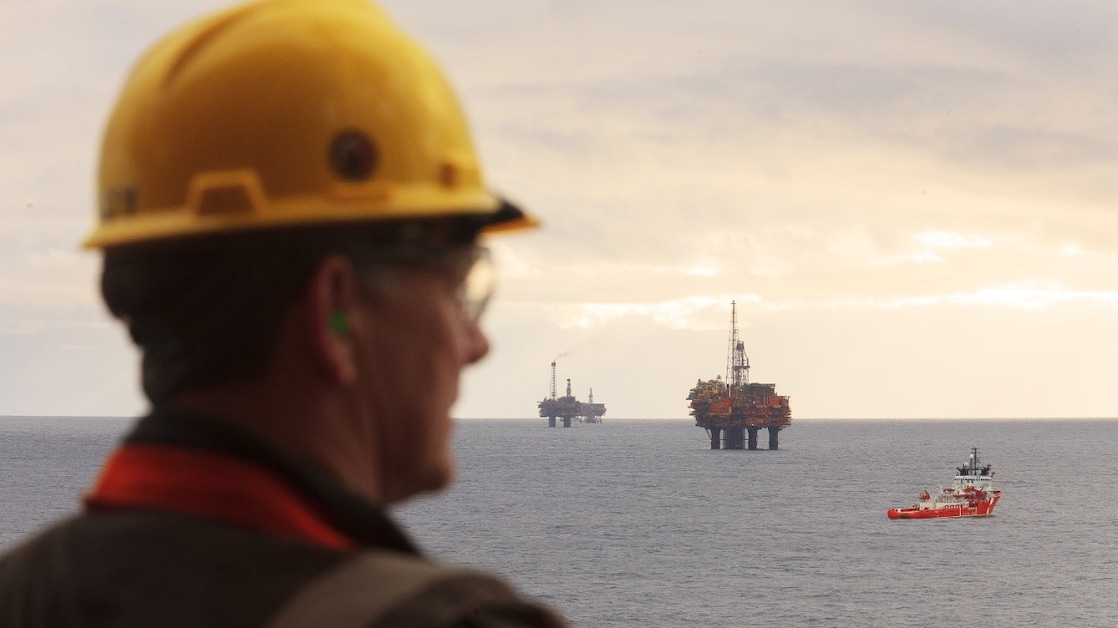
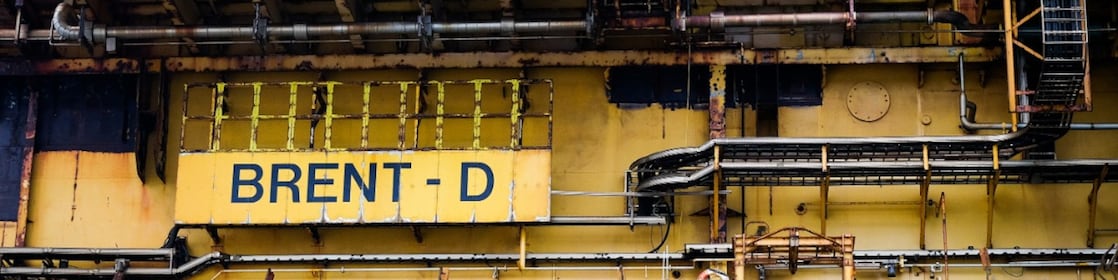
Brent is een van de belangrijkste en gangbare oliestandaarden in de wereld. Brent dankt haar naam aan het olieveld dat in 1971 door Shell is gevonden en sinds 2011 langszaam wordt afgebouwd. Dit olieveld ligt tussen Schotland en Noorwegen. Deze olie bepaalt in Europa, maar ook internationaal de olieprijs. Dat komt doordat deze olie veel en stabiel geproduceerd wordt en doordat het veld vlakbij grote havens ligt.
Voor de verkoopprijs van wat voor soort andere olie dan ook geldt dan: wat is de prijs van Brent-olie en wat is de kwaliteit van de betreffende oliesoort? Afhankelijk van of de olie beter of minder is dan Brent komen er dollars per vat bij. Of gaan er dollars af. De andere benchmarks zijn vooral referenties voor het gebied waar de olie vandaan komt.
Verschilt de samenstelling van Brent-olie van andere olie in de wereld?
Jazeker. Ieder olieveld levert weer haar eigen karakteristieke oliesoort op. Zo is kenmerkend voor Brent-olie dat deze licht en ‘zoet’ is. Licht wil zeggen dat deze olie relatief eenvoudig te raffineren is; je kunt er ideaal benzine en diesel van maken. En zoet betekent dat het zwavelgehalte laag is. Bij Texaanse olie is het zwavelgehalte zelfs nog iets lager. De olie uit Dubai is daarentegen weer een stuk zwaarder: het kost meer moeite én meer geld om er brandstoffen van te maken.
Is Brent-olie duurder geworden?
Nou en of. Op het moment van schrijven (26 maart 2026) is een vat Brent-olie gedurende de voorafgaande week tussen de $95 en bijna $109 (dagprijs) geweest. In een vat zit 159 liter. Op 27 februari, net voor de oorlog, was de prijs nog 73 dollar. Dat is dus een stijging van zo’n 30% tot bijna 50%. Ook de andere oliestandaarden in de wereld zijn gestegen, net zo hard. Overigens, tijdens de Golfoorlog in de jaren 90 ging de olieprijs nog sneller omhoog, met 140%.
Wat merk je ervan bij de pomp?
Tanken is duurder geworden. Op 27 februari lag de gemiddelde benzineprijs van euro 95 op €2,06. Half maart is tanken een stukje duurder: €2,24 en op 25 maart was het gemiddelde zelfs €2,31 . Een slimme rekenaar ziet meteen: dat is niet zo’n sterke stijging als bij de olieprijs. Dat klopt als een bus. Dat komt doordat de benzineprijs maar voor een gedeelte wordt bepaald door de olieprijs. Van de rest van je tankbeurt gaat een beetje geld naar het tankstation, een gedeelte naar de transporteur en naar de raffinaderij. Het overgrote deel is accijns en btw, dat gaat naar de staatskas dus. En daar is door de situatie in Iran geen verandering is gekomen. Nog niet.
Jargon buster: Brent
26 Mar 2026
Since the Israeli–American air strikes on Iran began about a month ago, the oil price has risen sharply. But THE oil price does not really exist. There are various types of oil, for example Brent. Brent is therefore the word of the month for March.

Text: Matthijs Timmers. Photography: Ian Forsyth (close-up), Stuart Conway (seaview).
Several types of oil – how does that work?
Not all oil is the same. There are various types worldwide. A number of these serve as reference prices for international oil trading. The largest so‑called oil benchmarks in the world are: West Texas Intermediate (WTI), originating from Oklahoma in the United States; the OPEC basket, which is a collection of crude oils from the countries that are members of the Organization of the Petroleum Exporting Countries. From Saudi Arabia there is Arab Light, from Iraq Basrah Medium, and from Nigeria Bonny Light. The third benchmark is Dubai Crude, from the Persian Gulf region. And finally, there is Brent.
Where does Brent come from?
Brent is one of the most important and widely used oil standards in the world. Brent is sometimes referred to as "North Sea oil" and owes its name to the oilfield discovered by Shell in 1971, and that has been gradually undergoing decommissioning since 2011. The Brent field is located between Scotland and Norway. The Brent oil determines the oil price in Europe, but also internationally. That is because it is produced in large and stable quantities, and because the field is located close to major ports.
When it comes to the selling price of any other type of oil, the question is: what is the price of Brent crude and what is the quality of the oil in question? Depending on whether the oil is better or worse than Brent, dollars per barrel are added or deducted. The other benchmarks mainly serve as references for the region where the oil originates.
Does the composition of Brent crude differ from other oils worldwide?
Absolutely. Every oilfield produces oil with its own characteristic properties. Brent crude is known for being light and “sweet”. Light means the oil is relatively easy to refine; it is ideal for producing petrol and diesel. Sweet indicates that the sulphur content is low. Texan oil has an even slightly lower sulphur content. Oil from Dubai, on the other hand, is considerably heavier: it requires more effort and more money to turn it into fuels.
Has Brent crude become more expensive?
And how. The past week, a barrel of Brent crude costed between roughly $95 and almost $109 (daily price). A barrel contains 159 litres. On 27 February, just before the war, the price was still 73 dollars. That is a rough increase of between 30 and almost 50%. Other global oil benchmarks have risen just as sharply. Incidentally, during the Gulf War in the 1990s the oil price rose even faster — by 140%.
What do you notice at the pump?
Filling up has become more expensive. It differs per country, but if taking the Netherlands as an example: on 27 February, the average price of Euro 95 petrol was €2.06. By mid‑March, filling up cost quite a bit more: €2.24 and it reached an average of €2.31 on 25 March. A sharp observer will immediately notice: that’s not as big an increase as in the oil price. And that is absolutely correct. The petrol price is only partly determined by the oil price. Of the rest, a portion goes to the petrol station, some to the transport company and to the refinery. In e.g. the Netherlands, the largest share consists of excise duties and VAT, which go to the state treasury. And that part has not changed due to the situation in Iran. At least not in countries like the Netherlands.