No fuel, no fight: voor als Nederland op scherp staat
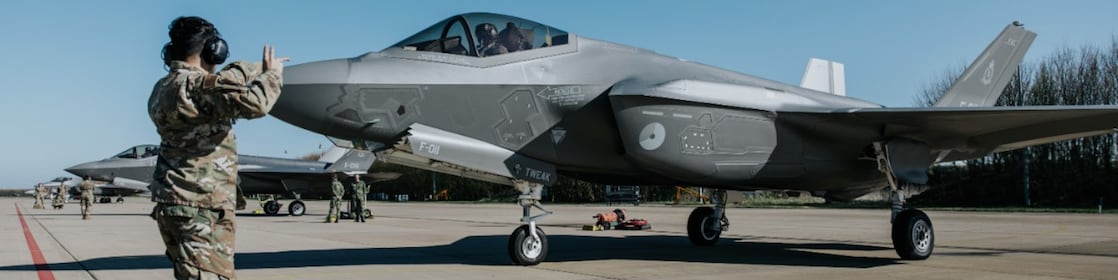
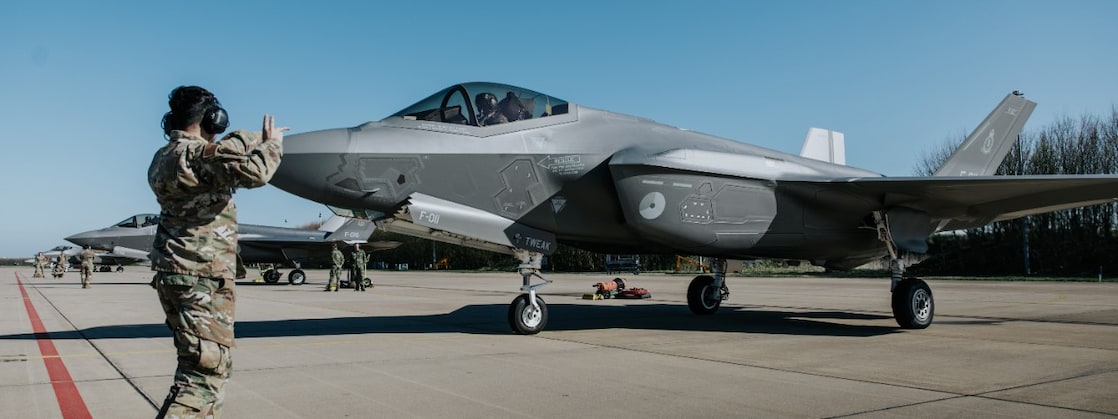
Het is september 2031. Nederlandse en Duitse grondtroepen hebben zich al een paar maanden ingegraven bij de Wisła-rivier in Polen. Vanaf Leeuwarden, Volkel en Lelystad kiezen zwaarbewapende F-35-gevechtsvliegtuigen elke paar uur het luchtruim. Op Schiphol zijn dan al de meeste vakantievluchten geschrapt. De speelweide in Het Amsterdams Bos is het nieuwe honk van luchtdoelraketten, klaar om de nationale luchthaven en de hoofdstad te beschermen.

Tekst: Marcel Burger. Beeld: USAF/Koninklijke Luchtmacht/Sgt. Maj Jan Dijkstra, ANP/Remko de Waal, Shell Nederland.
Het geschetste scenario in de inleiding lijkt in eerste instantie een mooi begin van een Tom Clancy-boek of streaming tv-serie. Maar helemaal ondenkbaar is het ook weer niet, voor wie de geopolitieke ontwikkelingen aan Europa’s oostgrens is blijven volgen. En al is Nederland over een paar jaar wellicht militair wat meer klaar voor donkere dagen, dan is ze dat op energievlak in ieder geval niet.
Dat blijkt uit het rapport “No fuel, no fight — The Dutch fuel industry and European military readiness” dat het Haagse Centrum voor Strategische Studies (HCSS) eind mei publiceerde. In ‘geen brandstof, geen gevecht’ wordt het zo samengevat: “In geval van een conflict kunnen noch Nederland noch de EU voldoen aan de sterk stijgende vraag naar militaire brandstof terwijl de civiele economie blijft functioneren. Er worden aanzienlijke tekorten verwacht in zowel de tijdsbestekken van 2030 als 2040, die ontstaan tijdens de opbouwfase vóór het conflict en verergeren zodra een grootschalige oorlog uitbreekt.”
Vliegtuigbrandstof
Het meest schrijnend zal volgens rapportmakers Irina Patrahau, Ron Stoop en Lucia van Geuns het tekort aan vliegtuigbrandstof zijn. De schatting die ze erop los laten, een kerosinetekort van maximaal 24% in de Europese Unie, is nog aan de conservatieve kant. Want zelfs met het bestaande conflict in de Perzische Golf, met noch de EU noch de NAVO militair betrokken, is een substantieel effect al merkbaar.
Luchtvaartmaatschappijen schrapten sinds dit voorjaar al vluchten vanwege gestegen brandstofprijzen door tekorten en Fatih Birol, de baas van het Internationaal Energieagentschap (IEA), waarschuwde medio april in een interview met Associated Press nog: “er is misschien genoeg kerosine in Europa voor nog maar zes weken”.
Over No fuel, no fight
Het Haagse Centrum voor Strategische Studies (HCSS) schreef het rapport “No fuel, no fight — The Dutch fuel industry and European military readiness” op basis van onderzoek in opdracht van Vemobin, een vereniging van partijen uit de energiesector. Het rapport is geschreven door de strategisch analysten Irina Patrahau, Ron Stoop en strategisch adviseur Lucia van Geuns. Voormalig Commandant der Strijdkrachten Tom Middendorp, voormalig legerkorpscommandant Nico Tak, oud-stafmilitair Michel Rademaker, beleidsstagiair Marit Weurding, data-analist Maria-Antigone Rumpf en Energex Partner droegen bij aan het rapport.
Nederland als NAVO-gastland
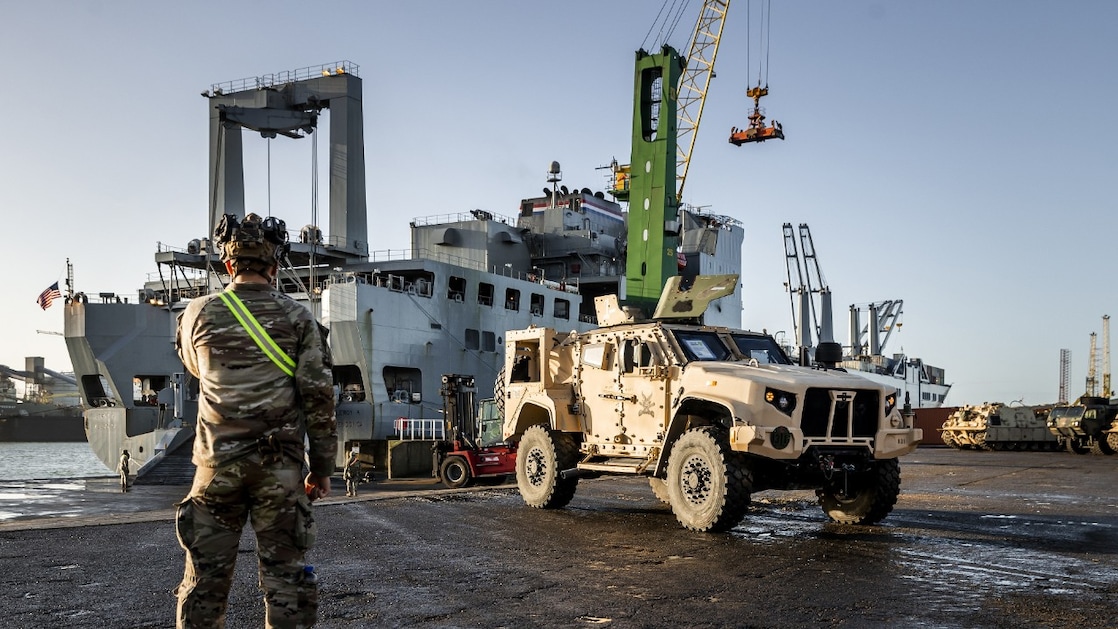
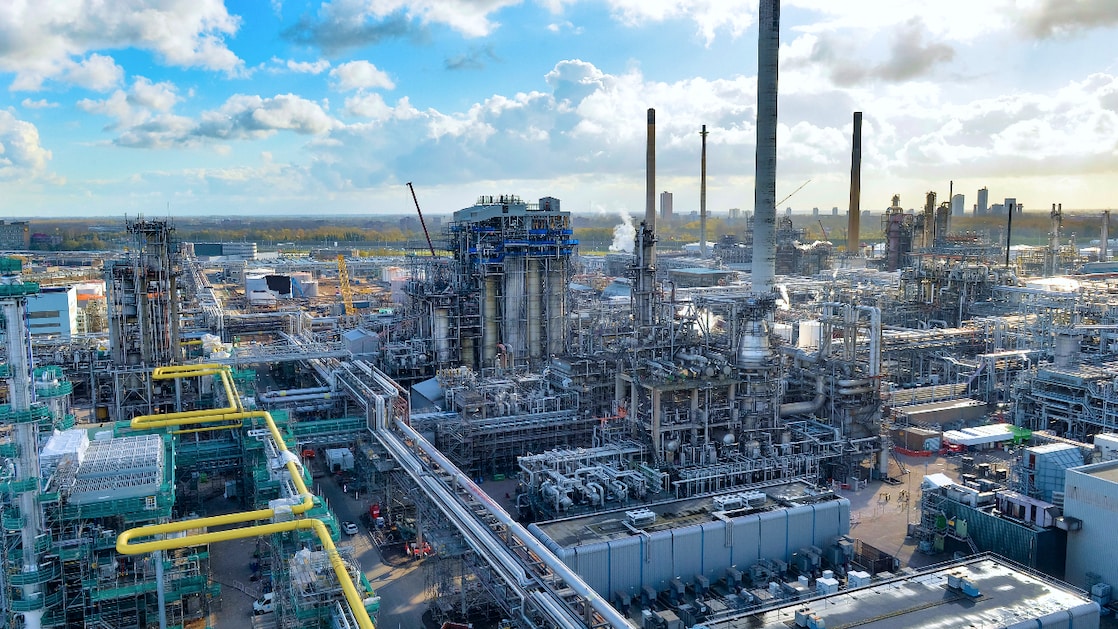
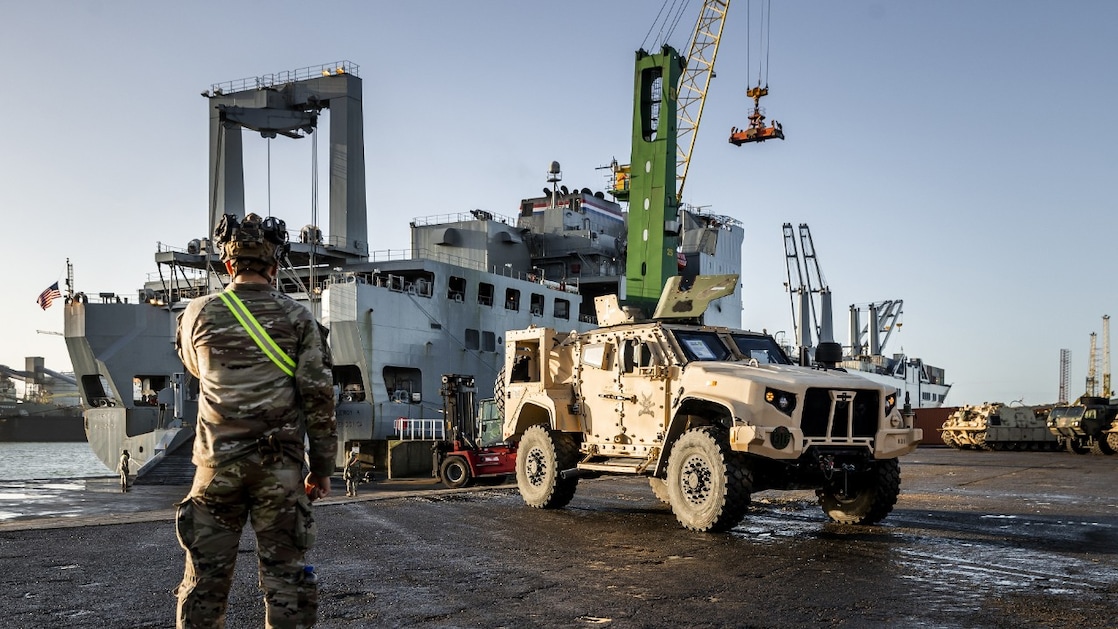
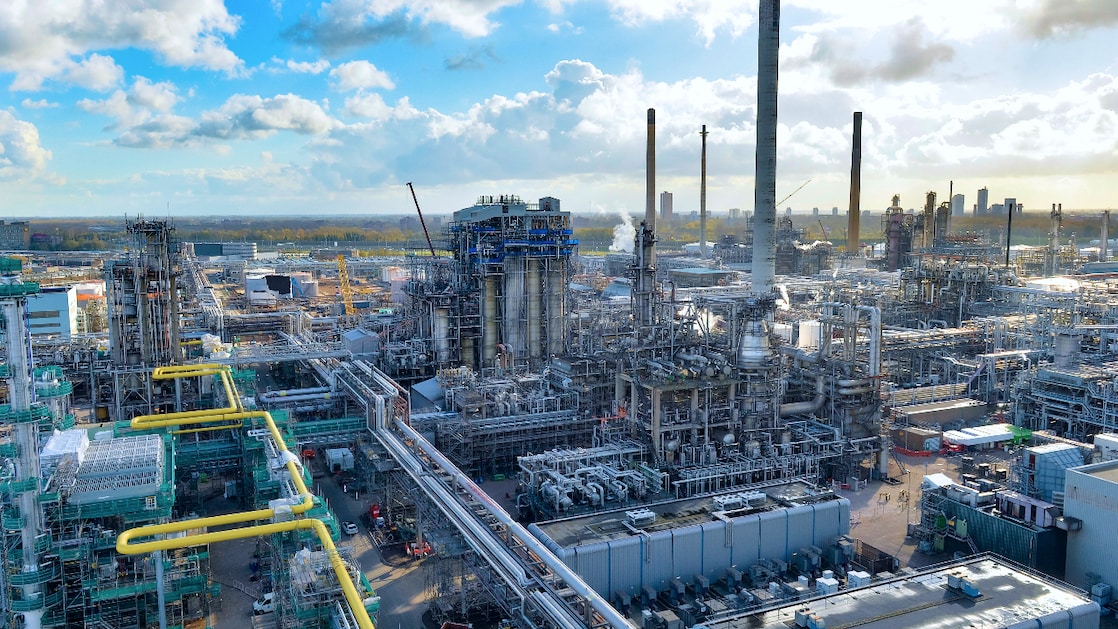
In een conflict heeft Nederland als voordeel dat het met Shell Pernis — Europa’s grootste raffinaderij — een behoorlijke eigen brandstofproductie heeft. Toch zien de rapportmakers van No fuel, no fight een nadeel: in de functie die Nederland, samen met Antwerpen, heeft om militaire versterkingen te ontvangen en naar het front in het oosten te helpen.
“Nederland staat onder nog grotere druk dan de rest van Europa vanwege haar rol als NAVO‑gastland. Tijdens een grootschalig conflict zou tot 35% van de Nederlandse vraag naar vliegtuigbrandstof en 13% van de vraag naar brandstof voor wegverkeer onvervuld blijven”, zo schrijven Patrahau, Stoop en Van Geuns.
Volgens de rapportmakers komt de Nederlandse energie-infrastructuur al snel onder enorme druk, al tijdens het samentrekken van troepen voordat er nog maar een schot is gelost. “En Nederland zal naar alle waarschijnlijkheid ook doelwit van sabotage worden”, staat in het rapport. “Met aanvallen op kritische infrastructuur of stroomuitval in de Rotterdamse haven zal het brandstofnetwerk ernstig worden gestoord.”
Voorrang voor de krijgsmacht
Bij onvoldoende brandstof zal de Nederlandse regering de eigen krijgsmacht en die van NAVO-bondgenoten voorrang geven op de rest van de maatschappij, zo beredeneren de rapportmakers. Het leger draait naast kerosine vooral op diesel, en dat zal dus niet zonder gevolgen zijn voor de transportsector, de schappen in de winkels en de hele economie.
Uitgezoomd naar heel Europa zien Patrahau, Stoop en Van Geuns een krimpende Europese raffinagecapaciteit als een groot risico. Tegen 2040 zou de EU in een crisis wel eens voor 72% van haar brandstof afhankelijk kunnen zijn van het buitenland.
Irina Patrahau, hoofdauteur HCSS-rapport No fuel, no fight“Europa kan er niet vanuit gaan dat in tijden van crisis brandstof beschikbaar, betaalbaar en gemakkelijk te transporteren blijft"
Militair-civiele samenwerking in energie
Het rapport van het Haagse Centrum voor Strategische Studies is vooral een waarschuwing voor behoud van de energiebasisindustrie in Nederland, een pleidooi voor het versnellen van inzet van alternatieve energiebronnen voor de gewone economie, een oproep aan Europa om zelf de energiestromen veilig te stellen, en een aanmoediging voor meer militair-civiele samenwerking op het gebied van energievoorziening.
“Het risico op een conflict in Europa is hoger dan ooit sinds het einde van de Koude Oorlog”, schrijven Patrahau, Stoop en Van Geuns. “Maar de brandstofzekerheid blijft achter.”
Brandstofvoorraden veiligstellen
“Lange tijd waren brandstoffen een overvloedige grondstof voor Europese strijdkrachten: gemakkelijk op korte termijn te verkrijgen en tegen betaalbare prijzen. De leveringszekerheid is echter niet langer vanzelfsprekend en regeringen moeten actie ondernemen om brandstofvoorraden veilig te stellen”, concluderen de rapportmakers.
Een oorlogsscenario zoals gebruikt voor het rapport, maar ook de opening van dit verhaal, is fictie. Maar dat leek niet zo lang geleden ook voor de driedaagse “speciale operatie” van Rusland in Oekraïene — inmiddels in haar vijfde jaar van oorlogvoeren. Nederlandse militairen trainen inmiddels hun Oekraïense collega’s, of gaan voor spek en bonen op oefening op NAVO’s oostflank. Maar Nederlandse F-35’s en luchtverdediging uit De Peel stonden en staan al wel op scherp in Polen. En daarvoor moet ook nu al de brandstof ergens vandaan komen.
Geraadpleegde bronnen: No Fuel, No Fight The Dutch Fuel Industry and European Military Readiness — door Irina Patrahau, Ron Stoop en Lucia van Geuns, The Hague Centrum for Strategic Studies, mei 2026; Associated Press; Ministerie van Defensie
No fuel, no fight: for when the Netherlands is on high alert
17 June 2026
It is September 2031. Dutch and German ground troops have been dug in for several months along the Vistula (Wisła) river in Poland. Heavily armed F-35 fighter jets take to the skies every few hours from the airbases of Leeuwarden, Volkel and Lelystad. By then, most holiday flights at Amsterdam-Schiphol International have been cancelled. The R&R meadow in the nearby green zone Amsterdamse Bos has become the new base for surface-to-air missiles, ready to protect the national airport and the capital.

Text: Marcel Burger. Photography: USAF/Koninklijke Luchtmacht/Sgt Maj Jan Dijkstra, ANP/Remko de Waal, Shell Netherlands.
At first, the scenario sketched in the introduction may seem a compelling prologue to a Tom Clancy novel or a streaming television series. Yet it is not entirely inconceivable for those who have continued to follow geopolitical developments along Europe’s eastern border. And although the Netherlands may be somewhat better prepared militarily for darker days in a few years’ time, it is certainly not in terms of energy supplies.
This is evident from the report “No fuel, no fight — The Dutch fuel industry and European military readiness”, published at the end of May by the Hague Centre for Strategic Studies (HCSS). In “No fuel, no fight”, it is summarised as follows: “in the event of conflict, neither the Netherlands nor the EU can meet surging military fuel demand while keeping the civilian economy functioning. Serious shortfalls are projected across both the 2030 and 2040 timeframes, arising during the pre-conflict build-up phase and becoming more acute once full-scale war breaks out.”
Aviation fuel
According to the report’s authors — Irina Patrahau, Ron Stoop and Lucia van Geuns — the most acute shortage will be in aviation fuel. Their estimate of a kerosene shortfall of up to 24% in the European Union is, if anything, on the conservative side. Even with the current conflict in the Persian Gulf, in which neither the EU nor NATO is militarily involved, a substantial impact is already being felt.
Since this spring, airlines have already cancelled flights due to rising fuel prices caused by shortages, and in mid-April Fatih Birol, head of the International Energy Agency (IEA), warned in an interview with the Associated Press: “There may be enough jet fuel in Europe for only another six weeks.”
About No fuel, no fight
The Hague Centre for Strategic Studies (HCSS) prepared the report “No fuel, no fight — The Dutch fuel industry and European military readiness” on the basis of research commissioned by Vemobin, an association representing parties in the energy sector. The report was written by strategic analysts Irina Patrahau and Ron Stoop, and strategic adviser Lucia van Geuns. Former Chief of Defence Tom Middendorp, former Army Corps commander Nico Tak, former military staff officer Michel Rademaker, policy intern Marit Weurding, data analyst Maria-Antigone Rumpf and Energex Partner also contributed to the report.
The Netherlands as a NATO host nation
In a conflict, the Netherlands has the advantage of possessing significant domestic fuel production, with Shell Pernis being Europe’s largest refinery. Nevertheless, the authors of No fuel, no fight identify a drawback: the role the Netherlands, together with Antwerp in Belgium, plays in receiving military reinforcements and helping to move them towards the eastern front.
“The Netherlands faces even greater pressure compared to the rest of Europe given its role as a NATO Host Nation. During a full-scale conflict, up to 35% of Dutch aviation fuel demand and 13% of Dutch road fuel demand would remain unmet,” write Patrahau, Stoop and Van Geuns.
According to the report’s authors, Dutch energy infrastructure would come under immense strain at an early stage, even during the mobilisation of troops before a single shot has been fired. The Netherlands is also highly likely to become a target for sabotage, the report states. “With attacks on critical infrastruc ture or power outages in the Port of Rotterdam, the fuel system will be severely disrupted.”
Priority for the armed forces
In the event of insufficient fuel supplies, the Dutch government would prioritise its own armed forces and those of NATO allies over the rest of society, the report argues. In addition to aviation fuel, the military relies heavily on diesel, which would inevitably have consequences for the transport sector, shelves in the supermarkets and shops, and the wider economy.
Looking at Europe as a whole, Patrahau, Stoop and Van Geuns identify shrinking European refining capacity as a major risk. By 2040, in a crisis scenario, the EU could be as much as 72% dependent on foreign fuel supplies.
Irina Patrahau, lead author HCSS-rapport No fuel, no fight“Europe cannot assume that fuel will remain available, affordable, and easy to move in times of crisis"
Military–civilian cooperation in energy
The report by the Hague Centre for Strategic Studies is primarily a warning to preserve the energy-intensive industrial base in the Netherlands, a plea to accelerate the deployment of alternative energy sources for the civilian economy, a call for Europe to secure its own energy flows, and an encouragement to strengthen military–civilian cooperation in the field of energy supply.
“The risk of conflict in Europe is at the highest level since the end of the Cold War,” write Patrahau, Stoop and Van Geuns. “But fuel security lags behind.”
Securing fuel supplies
“For a long time, fuels were a plentiful commodity for European militaries: easy to source in a short time and at aordable prices. Yet supply security is no longer a given and governments must act to secure fuel supplies,” the report’s authors conclude.
A war scenario like the one used for the report — or the one used to open this story with — is fictional. Yet not so long time ago, the same could have been said of Russia’s three-day “special operation” in Ukraine, now entering its fifth year of warfare. At first sight, soldiers of the Netherlands' Armed Forces seem to be engaged in 'soft' missions only: training their Ukrainian counterparts, and take part in exercises on NATO’s eastern flank. But Royal Netherlands Air Force F-35s and air defences have already been — and remain — on high alert in Poland, or can be send at a moments notice. And also now, the fuel for those operations has to come from somewhere.
Sources consulted: No Fuel, No Fight The Dutch Fuel Industry and European Military Readiness — by Irina Patrahau, Ron Stoop en Lucia van Geuns, The Hague Centrum for Strategic Studies, May 2026; Associated Press; the Netherlands' Ministry of Defence