Komt tijd, komt voorraad? 10 vragen en antwoorden over gasopslag in Nederland
De vraag naar gas in Nederland is voorspelbaar: weinig in de zomer, veel in de winter. Gas ondergronds opslaan is primair een buffer voor de winter. Met het sluiten van het Groningerveld is dat belangrijker geworden. Met de geopolitieke situatie van de afgelopen paar jaar is ‘belangrijker’ veranderd in ‘essentieel’. Dat geldt ook voor de vulgraad. Daarom: tien vragen én de antwoorden over gas en gasopslag.

Tekst: Jeroen Langelaar. Beeld: NAM.
Originele publicatie: 24 nov 2022. Geactualiseerd: 9 jan 2026 en 24 feb 2026.
1. Waarom wordt gas opgeslagen?
Het is een kwestie van goed voorraadbeheer. Door gas op te slaan kan flexibel worden gereageerd op veranderingen in de vraag naar aardgas. Die is bijvoorbeeld in de winter groter dan in de zomer, maar ook overdag groter dan ’s nachts. Gasopslag vangt ook wisselingen in aanbod van wind- en zonne-energie op. Door het sluiten van het gasveld in Groningen en door de oorlog in Oekraïne staan de thema’s energiezekerheid en leveringszekerheid nu hoog op de energie-agenda. Ook daar speelt de gasopslag een rol in.
2. Waar wordt gas opgeslagen?
Nederland heeft drie grote gasopslagen: Norg in Drenthe, Grijpskerk in Groningen en Bergermeer in Noord-Holland. Deze locaties zijn voormalige gasvelden die leeg geproduceerd zijn. Daarnaast is er een piekgasinstallatie in de gemeente Alkmaar, in een natuurlijk ondergronds reservoir. Deze levert bij een sterk verhoogde gasvraag, bijvoorbeeld tijdens vorstperiodes, heel snel extra gas aan het gasnet. Dat geldt ook voor de aardgasbuffer (AGB) Zuidwending in de gemeente Veendam in de provincie Groningen. Hierin wordt aardgas opgeslagen in zoutcavernes, ondergrondse holtes in zoutlagen. NAM beheert Norg en Grijpskerk, die overigens niet de eigenaar is van het gas. De in- en verkoop is in handen van Gasterra. Gasopslag Bergermeer is de grootste vrij toegankelijke gasopslag van West-Europa en wordt gerund door TAQA.
3. Hoe wordt gas opgeslagen?
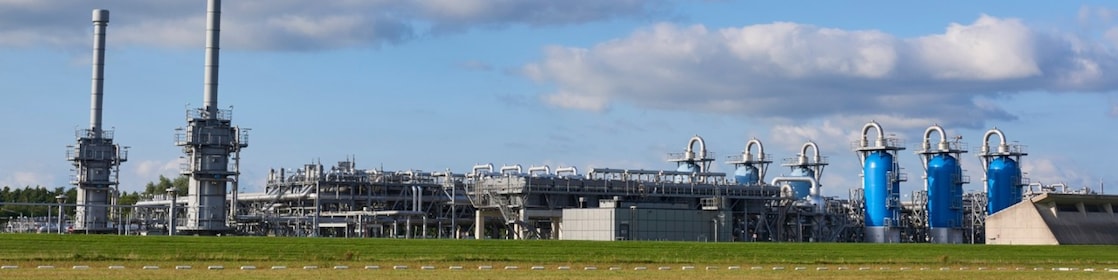
Gas wordt in Nederland opgeslagen in lege gasvelden op dieptes van 2.500 tot 4.000 meter. Deze grond bestaat uit poreus gesteente. In de zomer wordt dit gesteente met van compressoren onder druk geïnjecteerd met gas. Omdat de temperatuur van het gas hierbij fors kan oplopen, wordt het door een compressor gekoeld. De gasopslagen worden afgesloten door een natuurlijke zoutlaag, die ervoor zorgt dat het gas niet kan ontsnappen. Van de gasopslag zelf is bovengronds weinig te zien. Een gasopslag als UGS Norg (UGS staat voor Underground Gas Storage) beslaat zo’n twintig voetbalvelden en ziet eruit als een weiland met een hoofdgebouw, veel leidingen, diverse torens en een fakkelpijp. Die is nodig om de ondergrondse opslag drukvrij te maken, bijvoorbeeld tijdens werkzaamheden.
4. Is al het gas hetzelfde?
Nee. Er zijn grofweg twee soorten gas: hoogcalorisch en laagcalorisch. De calorische waarde, of verbrandingswaarde, geeft aan hoeveel energie een kubieke meter aardgas bevat. Laagcalorisch gas, met een lagere energiewaarde, bestemd voor Nederlandse huishoudens, bevat een relatief groot deel stikstof. Het Groningen-gasveld bevat laagcalorisch gas, dat inmiddels de standaard is geworden voor gasfornuizen en cv-ketels. Hoogcalorisch gas is bestemd voor de industrie. Het kan omgezet worden naar laagcalorisch gas door het bij te mengen met stikstof.
5. Waar ligt wat opgeslagen?
UGS Norg en USG Grijpskerk zijn de locaties voor laagcalorisch aardgas; Bergermeer voor hoogcalorisch. De gasopslag in Norg speelt een belangrijke rol in het afbouwen van gaswinning in de provincie Groningen. Inmiddels wordt dit veld geïnjecteerd met zogeheten ‘pseudo-Groningengas’. Dit is hoogcalorisch gas dat wordt gemengd met stikstof om het op het kwaliteitsniveau van Groningengas te krijgen. Vanwege de afbouw van gaswinning uit het Groningenveld schakelde ook Grijpskerk over op laagcalorisch gas, zodat er meer zekerheid is voor levering aan huishoudens.
6. Hoe wordt het gas uit de opslag gehaald?
Dit gebeurt op dezelfde manier als winning uit een gewoon gasveld. Door druk wordt het gas via een put naar de oppervlakte gebracht. Daarna gaat het via een pijpleiding naar een gasdrooginstallatie. Gas dat uit de grond komt, is namelijk te vochtig. Het gas wordt gedroogd en ontdaan van vloeistoffen die er niet in thuishoren, voornamelijk water en aardgascondensaat. Na het drogingsproces wordt het door de zogeheten absorptietoren gestuurd. Deze bevat korrels silicagel die de laatste resterende vloeistoffen uit het aardgas halen. Tenslotte wordt het gedroogde aardgas op de juiste druk en temperatuur aan Gasunie geleverd, waarna het naar huishoudens of industrie kan worden getransporteerd.
7. Zijn er risico's bij gasopslag en wie monitort die?
De kans op seismische activiteit bij ondergrondse gasopslag is gering. Wel stijgt en daalt de bodem in de omgeving van een gasopslag. Deze veranderingen gebeuren zeer gelijkmatig en beslaan een groot gebied. Als in de zomer aardgas wordt geïnjecteerd, stijgt de bodem met enkele millimeters. In de winter, wanneer er gas wordt geproduceerd, daalt de bodem juist. Dit komt doordat het poreuze gesteente waarin het gas wordt opgeslagen enigszins elastisch is. Met gps en satelliet houdt NAM de bodemstijging en -daling nauwkeurig in de gaten. Bij elk gasveld worden mogelijke seismische risico’s onderzocht. Alle bevindingen worden gedeeld met Staatstoezicht op de Mijnen en het Ministerie van Economische Zaken en Klimaat.
8. Hoeveel gas kan er worden opgeslagen?
De gasopslag van Norg bestaat uit negen putten met een maximale opslagcapaciteit van 6 miljard m3 aardgas. UGS Grijpskerk bestaat uit tien putten met een maximale opslagcapaciteit van 2.4 miljard m3 aardgas (data NAM). Gasopslag Bergermeer heeft een opslagcapaciteit van 4,1 miljard m3. De totale capaciteit in Nederland voor gasopslag is ongeveer 12,5 miljard m3. Ter vergelijk: het totale Nederlandse aardgasverbruik is zo'n 30 miljard m3 (cijfers CBS). Naast het ‘werkvolume’ zit er ‘kussengas’ in de opslagen, dat ervoor zorgt dat het gas onder druk blijft staan. In Norg bijvoorbeeld gaat dit om maar liefst 15 miljard m3. Indien gewenst zou dit gas in de toekomst – met enige aanpassingen – geproduceerd kunnen worden.
9. Hoe zit het met de vulgraad?
Ondergrondse gasopslagen worden meestal in de zomer aangevuld. De gasprijzen liggen dan normaal gesproken lager omdat er minder vraag is. Toch is het vullen van de gasopslagen voor marktpartijen niet erg aantrekkelijk omdat de hoge prijzen en de bijbehorende risico’s op verliezen groot zijn. De Nederlandse overheid subsidieert die opslag als ze het voor de markt aantrekkelijker wil maken.. Een hoge vulgraad van gasvelden is noodzakelijk om te voldoen aan de EU-norm. Die stelt dat gemiddeld 80% van de gasopslagen gevuld moet zijn. Tot 2021 ging Nederland normaal met tot 90% gevulde gasopslagen de winter in, maar dit is de afgelopen jaren niet altijd zo geweest.
Lees hier meer over de Vulgraad.
10. Is er voldoende gas voor de winter?
De vraag of de Nederlandse gasvoorraad in opslag afdoende zal zijn, is niet met zekerheid te beantwoorden. Het hangt ten eerste af van hoe vol de opslagen daadwerkelijk zitten aan het begin van de winter. Daarnaast speelt de aanwezigheid en leveringsmogelijkheden van gas in het buitenland een rol. Als bijvoorbeeld Duitsland veel gas tekortkomt, zal Nederland dat ook merken. Tot slot speelt uiteraard Koning Winter zelf een rol. Hoe milder hij is, hoe beter.
Verhalen over aardgas
Zoek de verdieping met Shell Venster. Meer verhalen over aardgas in Nederland:
10 questions and answers about EU natural gas storage
19 February 2026
In most of Europe, the demand for natural gas is predictable: low in summer, high in winter. Underground natural gas storage primarily serves as a buffer for the winter months. Most EU countries have natural gas reserves, with Germany, Italy, France and the Netherlands with the biggest capacities. Due to the geopolitical situation of the past few years, these reserves have become more essential. The same applies to storage levels. Let's take a look at one of the leading countries on the matter as an example of how things work: the Netherlands. So here are ten questions — and their answers — about natural gas and gas reserves storage.

Text: Jeroen Langelaar and Marcel Burger. Photography: NAM.
Original publication: 24 Nov 2022. Updated: 9 Jan 2026, 19 and 24 Feb 2026.
1. Why is natural gas stored?
It is a matter of proper stock management. By storing gas, the system can respond flexibly to changes in natural gas demand. Demand is higher in winter than in summer, and higher during the day than at night. Gas storage also absorbs fluctuations in the supply of wind and solar energy. With the closure of the Groningen gas field in the Netherlands — for a long time a lifeline for Europe — and the war in Ukraine, the themes of energy security and security of supply have moved high up the energy agenda. Gas storage plays a role in this as well.
2. Where is gas stored?
17 out of 27 European Union countries have natural gas reserves. In Germany, Italy, France, the Netherlands, Austria, Hungary, Poland, Czechia, Spain, Slovakia, Rumania there is relatively much capacity. Latvia, Denmark, Belgium, Bulgary, Croatia, and Portugal have smaller storage facilities. Check the clickable overview here at Consilium.europe.eu.
If taking the Netherlands as an example: there are three large gas storage facilities: Norg in Drenthe, Grijpskerk in Groningen, and Bergermeer in North Holland. These sites are former gas fields that have been depleted. There is also a peak gas installation in the municipality of Alkmaar, in a natural underground reservoir. This can supply extra gas to the network very quickly when demand surges, for example during cold spells. The same applies to the Zuidwending natural gas buffer (AGB) in the municipality of Veendam, Groningen province. Here, gas is stored in salt caverns — underground cavities in salt layers. NAM — a 50/50 joint venture of Shell and ExxonMobil — operates the Norg and Grijpskerk sites, although it does not own the gas itself. Purchasing and sales are handled by Gasterra. Gas storage Bergermeer is the largest open-access gas storage facility in Western Europe and is operated by TAQA.
3. How is gas stored?
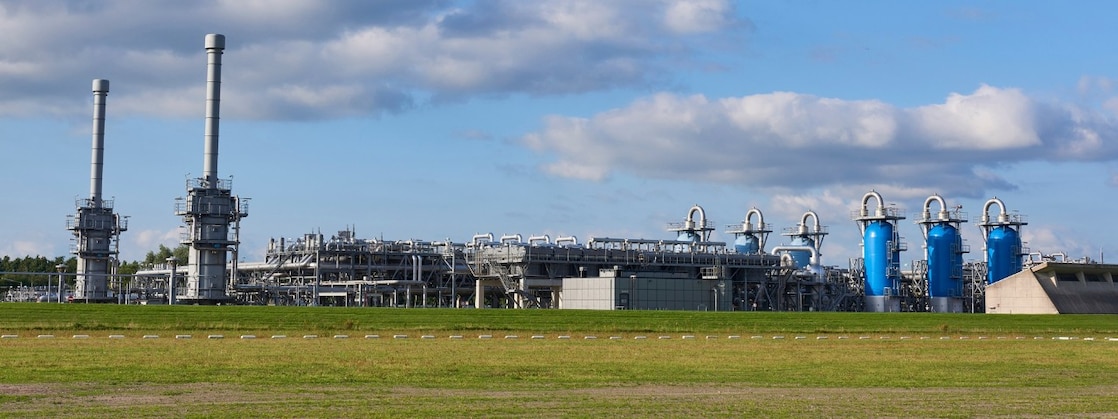
Gas is stored at substantial depth. How deep can vary in the EU countries, but in the Netherlands the storage is at depths of 2,500 (about 8,200 feet) to 4,000 metres (about 13,100 feet). Here, the subsurface consists of porous rock. In summer, gas is injected into this rock under pressure using compressors. Since the temperature of the gas can rise considerably during this process, it is cooled by a compressor. The storage sites are sealed by a natural salt layer, which prevents the gas from escaping. Above ground, there is little to see of the storage itself. A gas storage site such as NAM operated UGS Norg (Underground Gas Storage) covers around twenty football fields and resembles a meadow with a main building, extensive piping, several towers and a flare stack. Flaring is needed to depressurise the underground storage, for instance during maintenance work.
4. Is all gas the same?
No. Broadly speaking, there are two types of gas: high-calorific and low-calorific. The calorific value, or heating value, indicates how much energy a cubic metre of natural gas contains. Low-calorific gas, which has a lower energy value and is intended for e.g. Dutch households, contains a relatively high proportion of nitrogen. The Groningen gas field that NAM operated contains low-calorific gas, which has become the standard for gas cookers and central heating boilers. High-calorific gas is intended for industry. It can be converted into low-calorific gas by adding nitrogen.
5. What is stored where?
Countries store what they need. For the Netherlands, UGS Norg and USG Grijpskerk store low-calorific natural gas; Bergermeer stores high-calorific gas. The Norg storage facility plays an important role in phasing out gas production in the province of Groningen. The field is being injected with so-called “pseudo-Groningen gas”: high-calorific gas mixed with nitrogen to match Groningen gas quality. Due to the reduction of production from the Groningen field, Grijpskerk also switched to low-calorific gas, providing greater security of supply for households.
6. How is gas withdrawn from storage?
This is done in the same way as production from a conventional gas field. Pressure pushes the gas through a well to the surface. It then flows via a pipeline to a gas dehydration plant. Gas that comes from underground is too moist: it must be dried and stripped of liquids that do not belong in it, mainly water and condensate. After dehydration, the gas passes through an absorption tower containing silica gel pellets that remove any remaining liquids. Finally, the dried gas is delivered to Gasunie at the correct pressure and temperature, after which it can be transported to households or industry.
7. Are there risks associated with gas storage, and who monitors them?
The likelihood of seismic activity from underground gas storage is small. However, the ground surface around a storage facility rises and falls. These movements are very gradual and occur over a wide area. When gas is injected in summer, the ground rises by a few millimetres; in winter, when gas is produced, it subsides again. This is because the porous rock in which the gas is stored is somewhat elastic. NAM monitors ground movement precisely using the GPS and satellites. Possible seismic risks are assessed for every gas field. All findings are shared with the State Supervision of Mines and the Ministry of Economic Affairs and Climate Policy in the Netherlands. Every EU country has its own set of rules for this.
8. How much gas can be stored?
The Norg storage facility consists of nine wells with a maximum storage capacity of 6 billion m³ (BCM) of natural gas. UGS Grijpskerk consists of ten wells with a maximum capacity of 2.4 BCM. (data NAM) Together with the non-NAM storages the Netherlands has a capacity of about 12.5 BCM. For comparison: total Dutch gas consumption is roughly 30 billion BCM (data Central Statistics Bureau). Each EU country has its own division and capacity. In addition to the “working volume”, storage sites also contain “cushion gas”, which keeps pressure in the reservoir. In Norg, this amounts to as much as 15 BCM. If desired, this gas could be produced in the future — with some adjustments.
9. What about the storage level?
Underground gas storage facilities are usually replenished in summer. Gas prices are normally lower then, as demand is reduced. However, for market parties, filling storage sites is not very attractive, because high prices and associated risks of losses are significant. Some governments, like the Dutch one, subsidise storage when it wants to make this more appealing for the market. A high fill level is required to meet the EU standard, which stipulates that an average of 80% of gas storage capacity must be filled. Until 2021, the Netherlands typically entered winter with storage levels up to 90%, but this has not always been the case in recent years.
10. Is there enough gas for the winter?
Whether the natural gas reserves in storage in EU countries will be sufficient cannot be stated with certainty. First, it depends on how full the facilities actually are at the start of winter. In addition, the availability and supply capabilities of gas from abroad play a role. If, for example, Germany faces major gas shortages, the Netherlands will feel the effects too. Finally, winter itself plays a role: the milder it is, the better.
Stories on natural gas
Upgrade your brain with Shell Venster. More stories on natural gas in the Netherlands: